
Kids' Ethnic Wear Fabric Guide: What's Actually Comfortable
Every parent has watched the same scene. The outfit was chosen weeks ago. It photographs beautifully. Forty minutes into the function, the child is pulling at the neckline, scratching at the waistband, and has begun the low-grade negotiation that ends with them in a t-shirt by the time the cake comes out. It is almost never the design that failed. It is the fabric, the lining, or the finishing on the inside seams.
This is a guide to what to actually look for, and what each fabric does on a child's body rather than in a photograph.
The Three Things That Determine Comfort
- Breathability. Children run hotter than adults and regulate temperature worse. A fabric that traps heat turns into a problem within the hour, indoors as much as out.
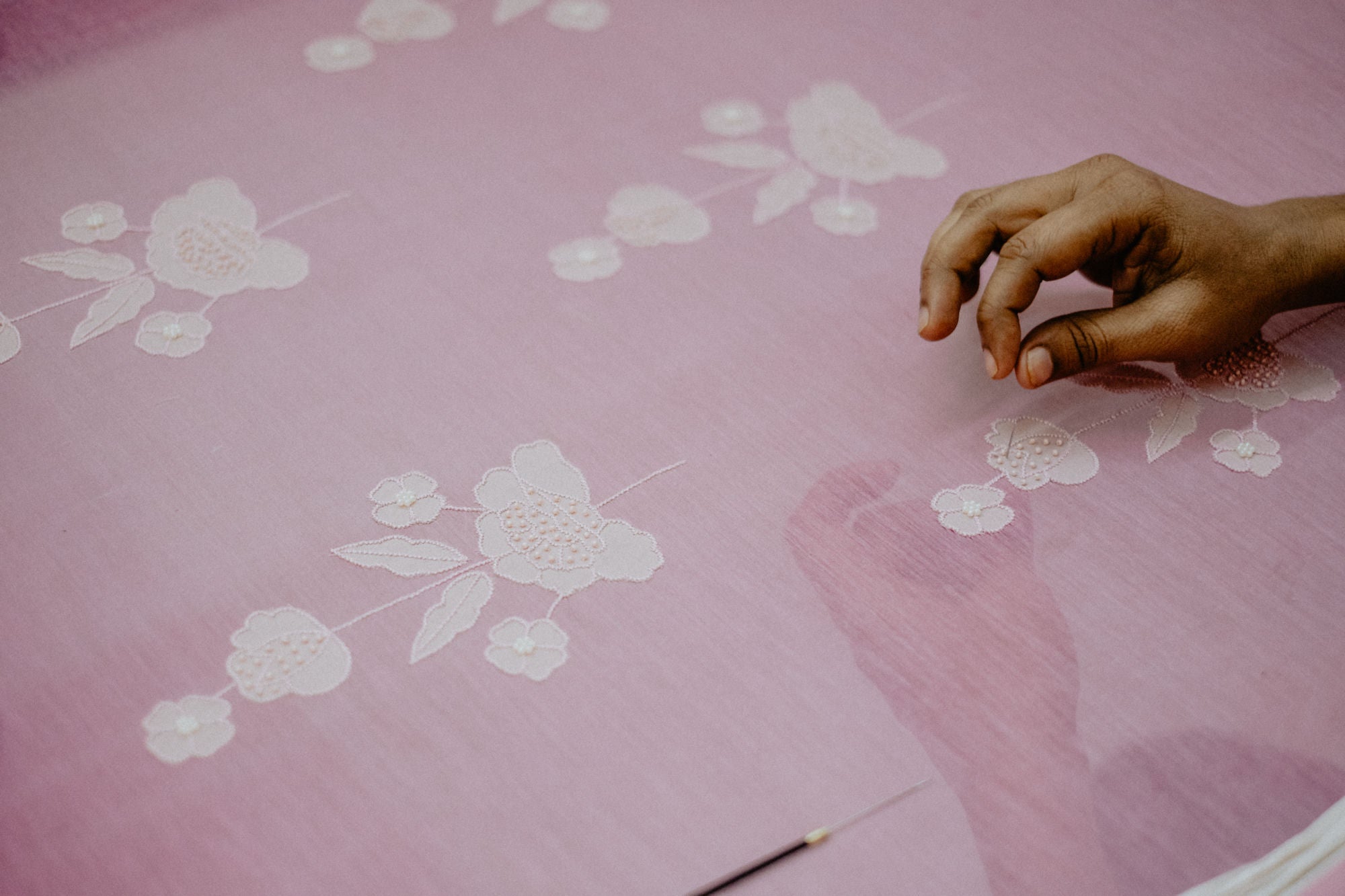
- What touches the skin. Not the outer fabric — the lining, the seam allowances, and the back of the embroidery. This is where almost every complaint originates and where almost nobody looks before buying.
- Whether it moves. A stiff hem that stands away from the leg looks structured on a hanger and stops a six-year-old from sitting cross-legged on the floor at a puja.
Cotton and Chanderi: The Reliable Ones
For any daytime function, a puja, a temple visit, a birthday, a summer or monsoon wedding function — Chanderi and cotton are the correct answer and nothing else is close. Chanderi in particular is the fabric to look for: it is light, it breathes, it has a faint natural sheen that reads as festive in photographs, and it does not hold heat.
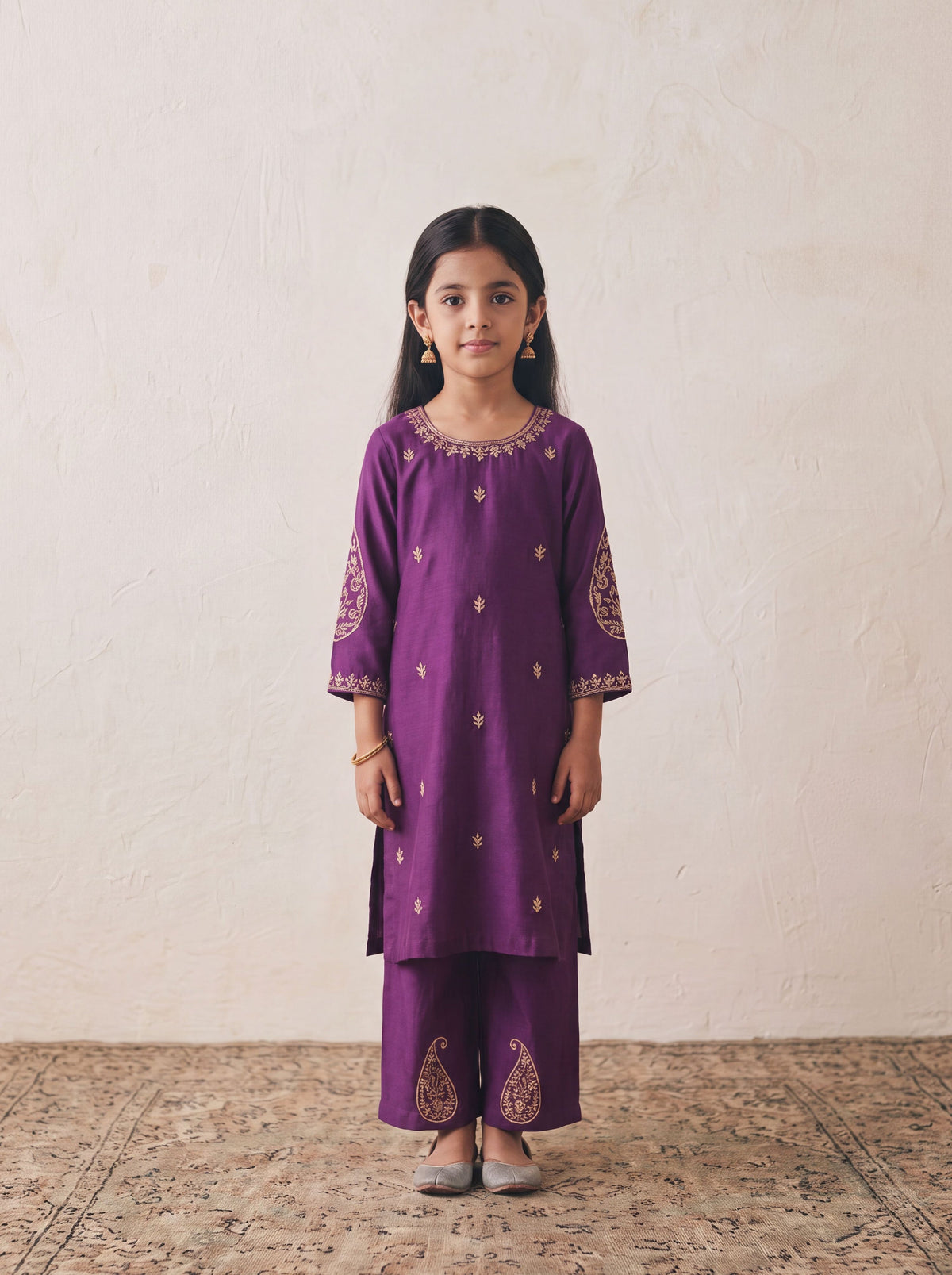
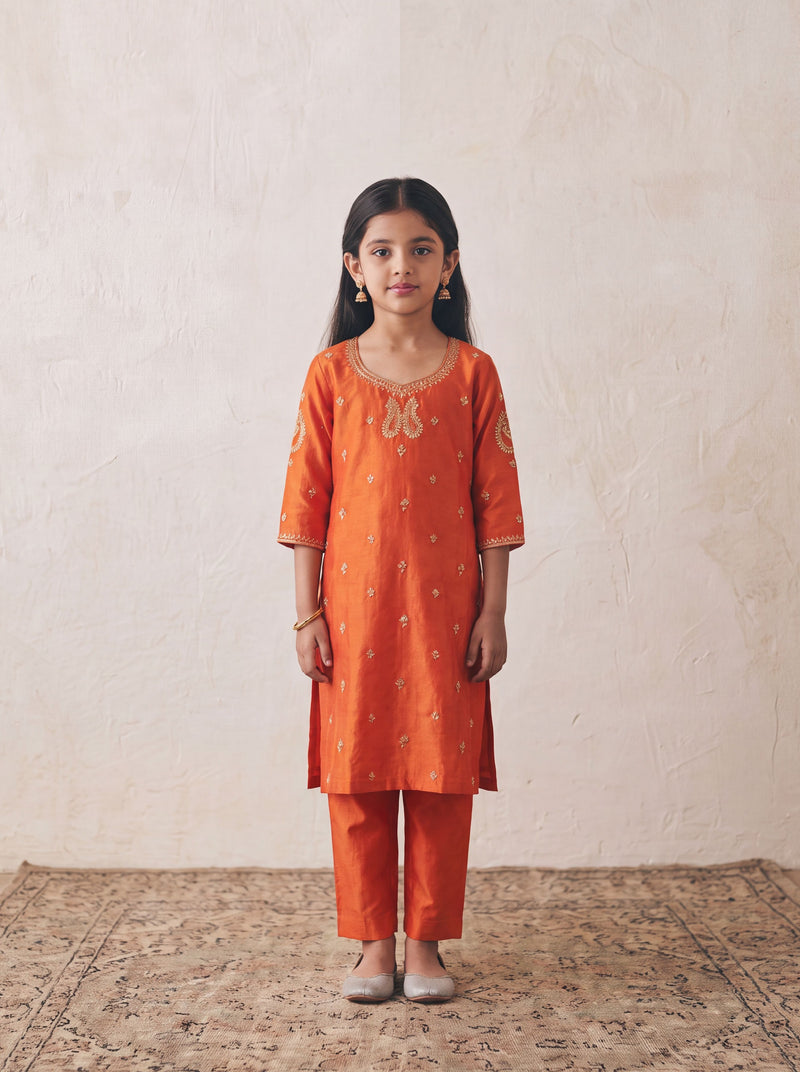
The Nazakat kurta with Saanwli pant — Kids is crafted in Chanderi, with the wide-legged Saanwli pant, floral bootis scattered across the surface and bold paisley detailing. It is festive without being an endurance test.
The Afreen kurta with Maahi pant — Kids brings the lightness of Chanderi together with delicate cutdana and bead embroidery in sunshine yellow, each flower hand-embroidered. Both are the sort of thing a child will still be wearing at the end of the evening.


Silk: Excellent, With One Condition
Pure silk is a genuinely good children's fabric — it breathes far better than most people assume, it is light for its visual weight, and it holds hand embroidery properly. Children in silk are usually comfortable.
The condition is the lining. Silk garments are frequently lined in polyester because it is cheap, and a polyester lining under silk is the worst of both worlds — the child gets the heat of a synthetic against the skin and none of the benefit of the outer fabric. Ask what the lining is. If nobody can tell you, assume the worst.
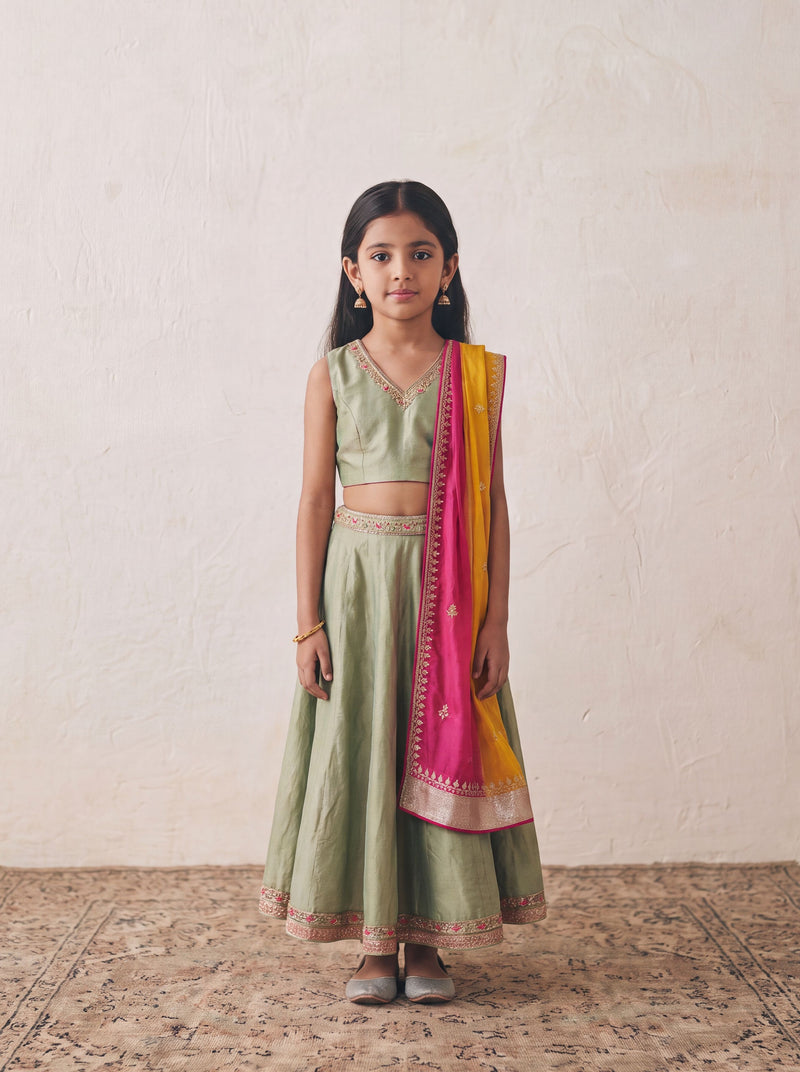
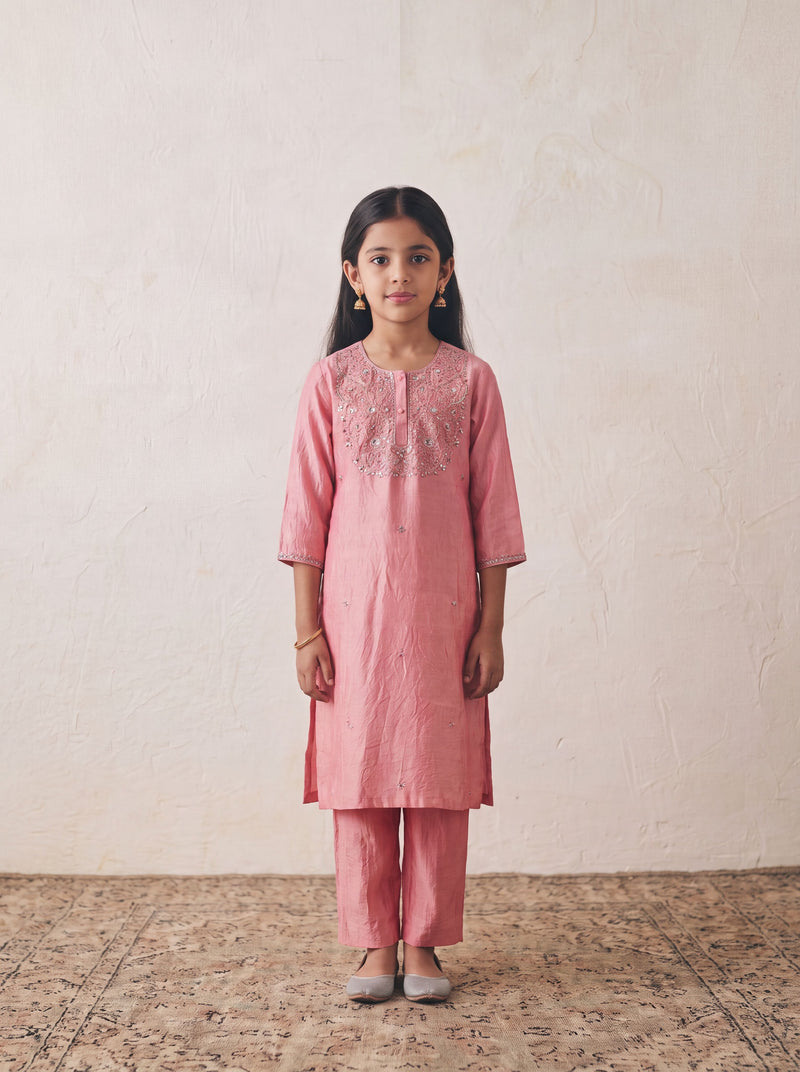
The Sahira kurta with Fizza pant — Kids is silk in soft pistachio green with a lime yellow pant, hand-embroidered in resham, sequins, cutdana, beads and aari. The Ruhani kurta with Nilofer pant — Kids is soft pink silk with a floral neckline in zardozi, sequins and cutdana, with delicate vines and scattered bootis across the body and sleeves.
Tissue: Beautiful, and Best in Short Doses
Tissue is the fabric that photographs best of everything on this list — it catches light, it has structure, and it makes a child's lehenga look like an occasion. It is also the least forgiving. It is crisper against the skin than silk, it creases if a child sits down for any length of time, and it does not love being sat on the floor in.
Our honest advice: tissue is a wonderful choice for a two-hour function and a poor one for a twelve-hour wedding day. The Ananya kurta with Tavishi sharara — Kids in antique gold and muted green tissue, and the Nyassa blouse with Elina lehenga — Kids in a romantic rose tissue, both fall into that category — genuinely spectacular, and best deployed where the child is not expected to sit still for a whole day.

Satin: Great for Winter, Wrong for Summer
Satin has a beautiful surface and drapes softly, which makes it a good winter festive fabric — it holds warmth, and it does not itch. In May in Delhi, it is a mistake. Judge satin entirely by the season.
The Tara kurta with Pari pant — Kids in deep navy satin is a good example of where it works: an understated, tonal set that suits a winter evening function far better than a summer afternoon one.
The Things to Check Before You Buy
Whatever the outer fabric, these six checks matter more than the fabric name on the label:
- Turn it inside out. Look at the back of the embroidery. Hand embroidery finished properly has the threads secured and covered; unfinished work leaves knots and thread ends against the skin. This is the number one cause of a child refusing to wear something twice.
- Feel the neckline seam. The back of the neck is where a child notices scratchiness first. It should be bound or piped, not raw-edged.
- Check the lining fibre, not just its presence. Cotton or silk lining, not polyester.
- Look at the waistband. Elastic is not a downgrade in childrenswear — it is the single most useful feature available, both for comfort and for the six months of growth ahead.
- Check where heavy embroidery sits. Dense zardozi or cutdana at the shoulder seam, the inner arm or the waist will be felt. At the hem, the neckline edge and the cuffs, it will not.
- Ask about the hem allowance. A generous hem allowance is what lets you drop the length next year instead of replacing the outfit.
Matching the Fabric to the Occasion
- Summer daytime function, mehendi, haldi: Cotton or Chanderi. Nothing else.
- Temple visit or home puja: Cotton or Chanderi — the child will sit on the floor.
- Evening wedding function, winter: Silk or satin, with a cotton or silk lining.
- Short, high-photograph function — a sangeet performance, a first birthday cake-cutting: Tissue.
- All-day wedding: Silk, and pack a change.
- Travel and destination weddings: Chanderi and silk crease less badly than tissue. Our kids' destination wedding packing guide covers the rest.
Our care guide for children's hand-embroidered clothes covers washing and storage, and buying for growing kids covers sizing and what actually lasts.
Hand-Embroidered Kidswear, Made to Measure
Our kidswear runs from 0–3 months through 15–16 years, with a custom size option, and every piece is hand-embroidered by the same karigars who make the adult line. Explore the kidswear collection.
Shop KidswearFrequently Asked Questions
What is the most comfortable fabric for kids' ethnic wear?
Chanderi and cotton, for almost every daytime occasion. Chanderi is light, breathable, and has a natural sheen that photographs as festive without holding heat. Pure silk is also comfortable provided the lining is cotton or silk rather than polyester.
Why does my child complain that their ethnic outfit is itchy?
Usually the back of the embroidery rather than the outer fabric. Unfinished embroidery leaves knots and thread ends against the skin. Turn the garment inside out and check that the reverse of the embroidery is secured and covered, and that the neckline seam is bound rather than raw-edged.
Is silk suitable for children?
Yes — silk breathes better than most people assume and is light for its visual weight. The problem is almost always a polyester lining underneath it, which traps heat against the skin. Ask what the lining fibre is before you buy.
What should kids wear to an all-day wedding?
Silk or Chanderi with an elasticated waistband and a cotton or silk lining, and a change of clothes packed. Save tissue for short, heavily-photographed functions — it is spectacular for two hours and uncomfortable for twelve.
Made to order in 4–5 weeks
Have an event date? We’ll tell you exactly when to order by.
We take a limited number of orders each month — secure your slot early.
Not sure where to start?
Tell us what you're dressing for and we'll help you choose — fabric, fit, colour, and timeline — over WhatsApp.
Your Cart
Pieces from this story
All pieces →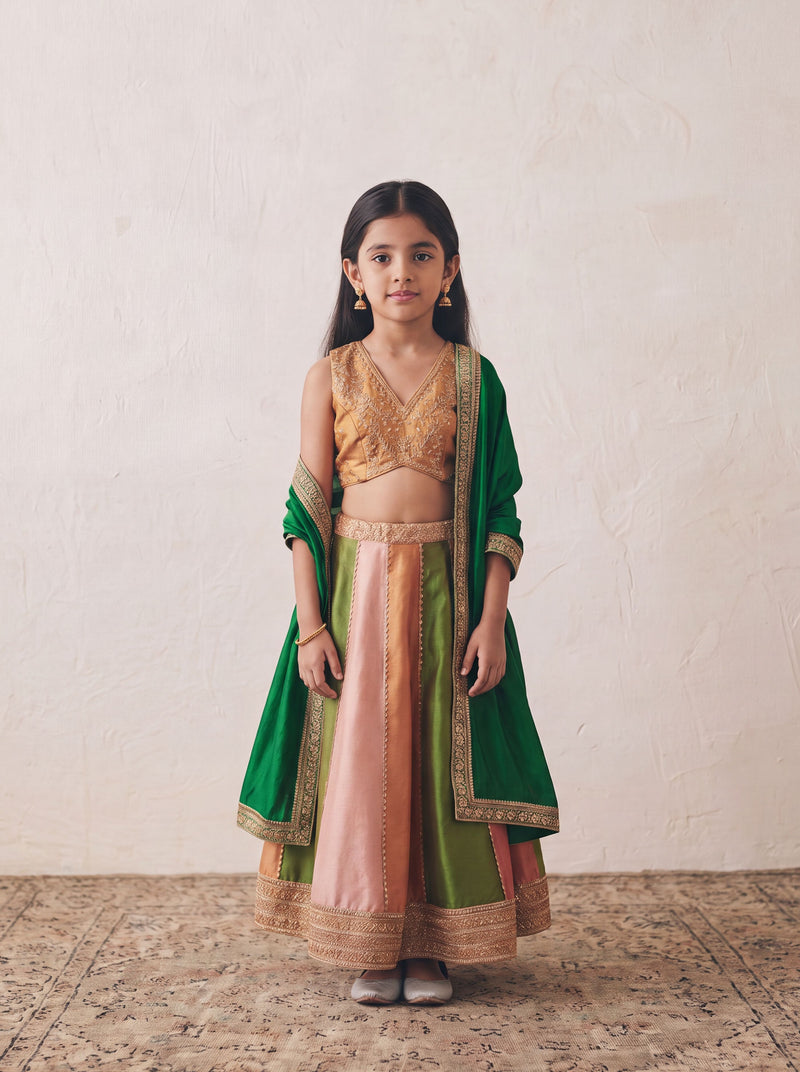
Keep reading
The journal →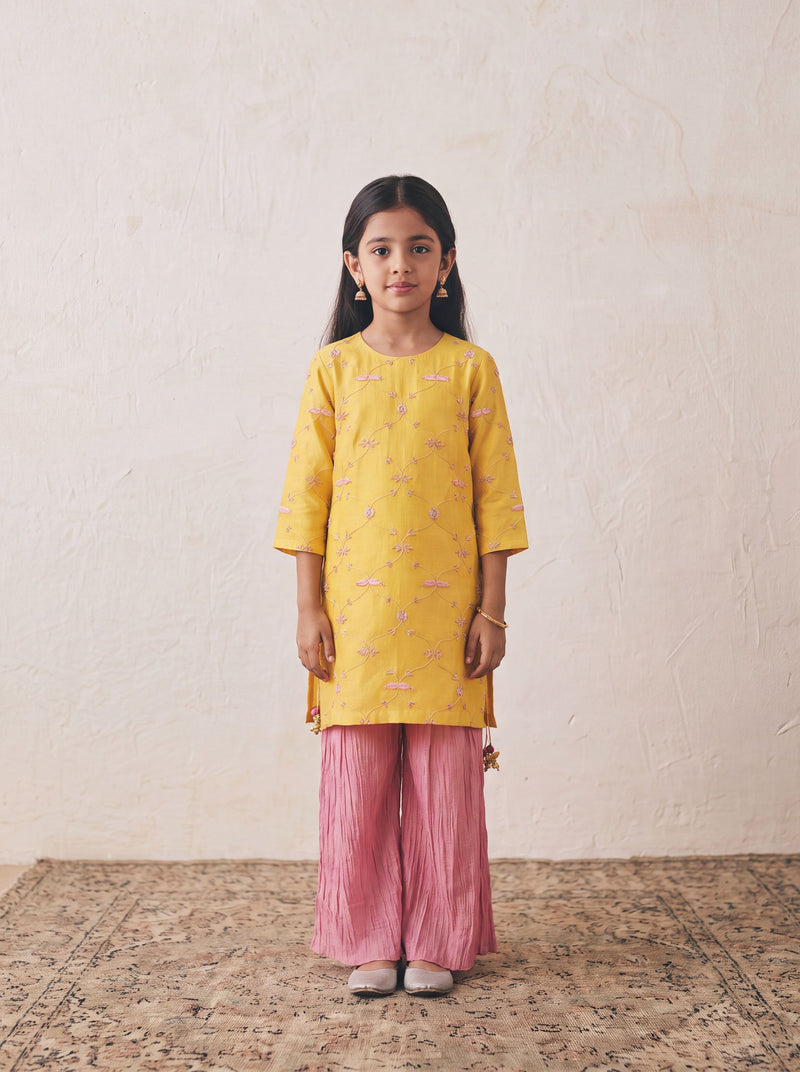
Kids' Lohri & Makar Sankranti Outfit Ideas: Bonfires, Kites and Warm Layers
Handmade by karigars Made to your measurements Fit guarantee Ships worldwide As seen in GraziaElle Graduat...
5 September 2026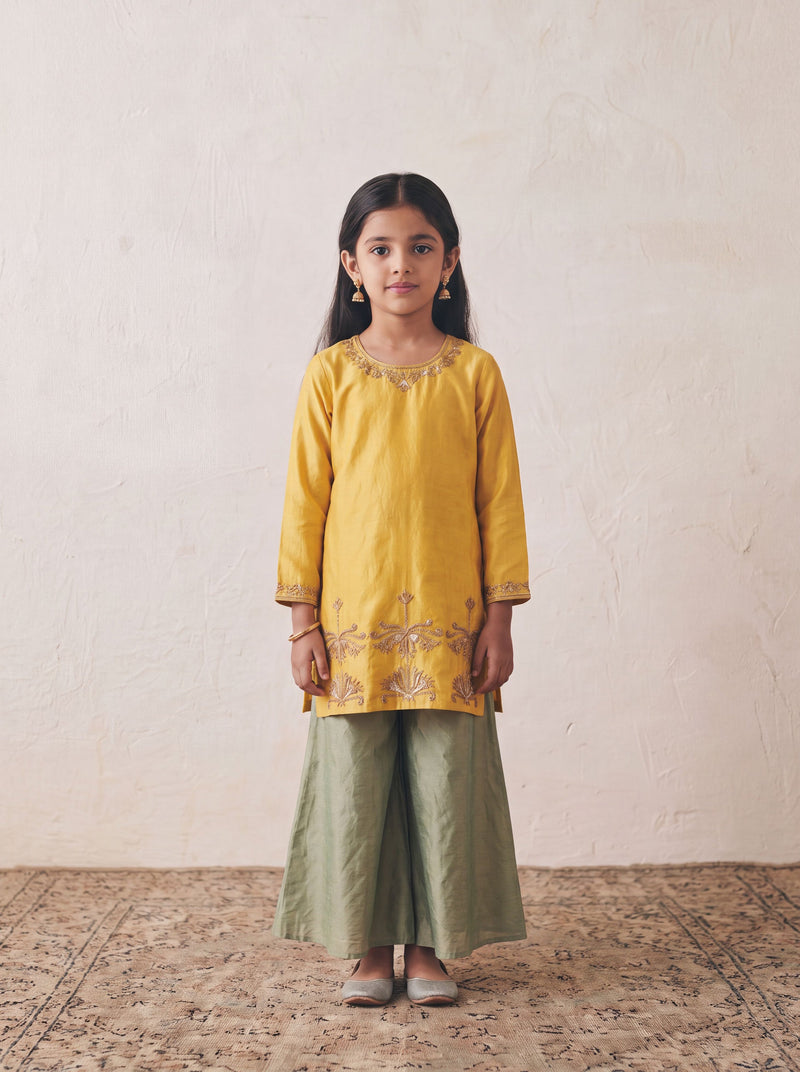
What Should Kids Wear to a School Annual Day or Function?
Handmade by karigars Made to your measurements Fit guarantee Ships worldwide As seen in GraziaElle Graduat...
5 September 2026
What to Wear to a Hyderabadi Wedding: A Guest's Guide
Handmade by karigars Made to your measurements Fit guarantee Ships worldwide As seen in GraziaElle Graduat...
5 September 2026