
A Beginner's Guide to Wearing a Saree, Step by Step
Six yards of fabric and no buttons, zips, or seams to guide you — the saree can look impossible the first time. But the classic drape is really just three steps: tuck, pleat, and pallu. Once you've done it once, it clicks, and you'll wonder why it ever seemed hard. This is a step-by-step guide for first-timers: what you need, how to drape it, and — just as importantly — which sarees are the easiest to learn on.
What You Need Before You Start
Three things beyond the saree itself make all the difference. A well-fitted blouse, a petticoat (the drawstring underskirt everything tucks into, in a colour close to the saree), and a handful of safety pins. Wear heels or the shoes you'll be in, so you can judge the length as you drape — a saree that's perfect in flats will pool on the floor in heels and vice versa. Have everything to hand before you begin, because once you start pleating you won't want to stop.
The Classic Nivi Drape, Step by Step
- 1. Tuck the plain end. Starting at your navel, tuck the upper edge of the plain end of the saree into the petticoat, and go all the way around your waist once, ending back at the front. The lower edge should just skim the floor.
- 2. Make the pallu. Bring the decorative end (the pallu) up across your body — from right hip to left shoulder — and let it fall down your back. Adjust the length, then pin it at the shoulder.
- 3. Pleat the front. Take the remaining fabric at the front and make five to seven even pleats, each about four inches wide, gathering them together like a fan.
- 4. Tuck the pleats. Tuck the top of the pleats into the petticoat at the navel, making sure they fall straight and even, and pin them in place.
- 5. Set the pallu. Adjust the pallu over your shoulder to the length you like — pinned neatly, or left to drape softly — and you're done.
Start With a Lightweight, Easy Saree
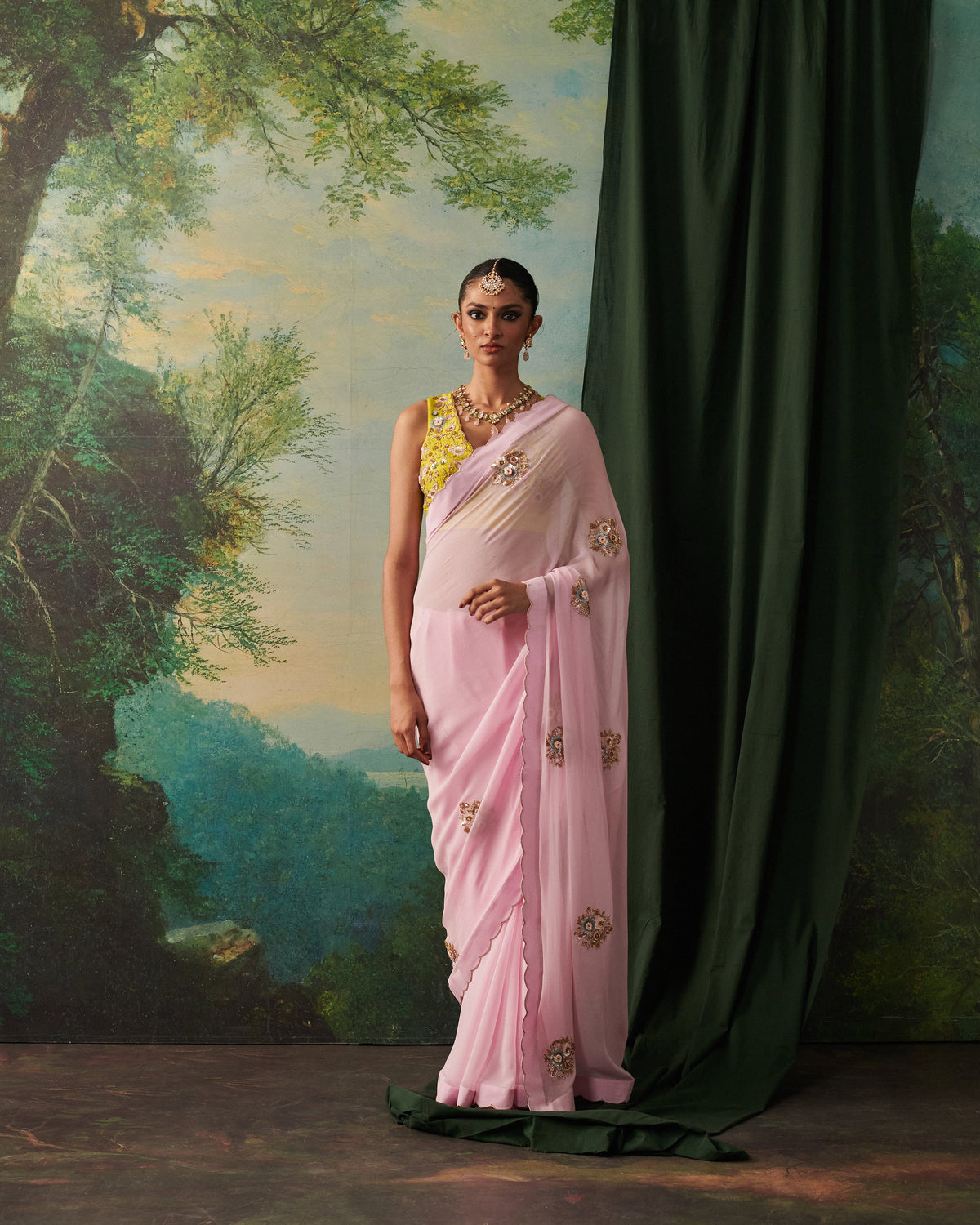
The fabric you learn on matters enormously. Heavy silks and stiff drapes are hard to pleat and hold; light, fluid fabrics forgive a beginner's hands. A chiffon saree like the Sajni saree in blush pink — soft, light, and draped in exactly the kind of easy fluidity a first-timer wants — is a wonderful place to start. Its scalloped border and scattered floral clusters also help: a defined border gives you a clean edge to pleat against.

Other Beginner-Friendly Options
Beyond chiffon, look for tissue and lighter silks with a soft fall. The Zariya saree in a soft mint-green Banarasi base is light and fluid, with a fine border that helps you line up your pleats. The Taraana saree in antique-gold tissue is sheer and lightweight with a graceful fall — festive enough for an occasion, forgiving enough to learn on. Avoid very heavy, densely-worked sarees for your first few drapes; they're gorgeous but unforgiving.


Beginner Tips That Actually Help
- Pin generously — pin the pleats, the pallu at the shoulder, and the pallu to the petticoat at the hip so nothing shifts.
- Practise once at home — do a dry run before the event, not on the morning of it.
- Get the petticoat colour right — a close match disappears; a clashing one peeks through light fabric.
- Even pleats over perfect pleats — five neat, equal pleats look better than seven fussy ones.
- Consider a pre-pleated start — until you're confident, pinning your pleats in advance makes draping far quicker.
Your First Saree, Made to Order
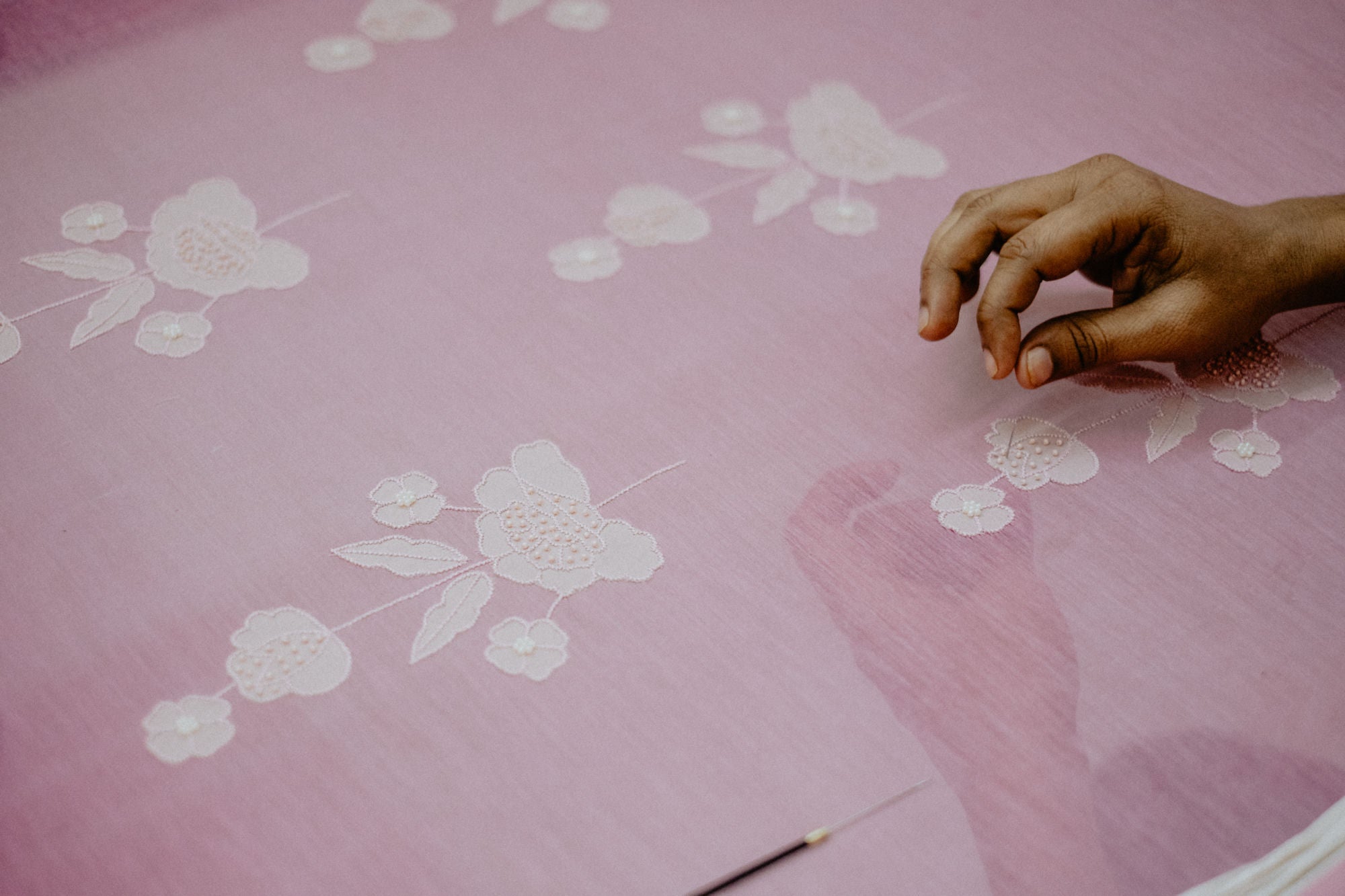
Every saree is hand-embroidered in Jaipur and comes with a blouse cut to your measurements over 4–5 weeks — start with something light and let it become your favourite. Explore our sarees.
Shop SareesFrequently Asked Questions
How do I wear a saree for the first time?
The classic Nivi drape is three steps: tuck the plain end into your petticoat all the way around from the navel, bring the decorative pallu across your body to pin at the left shoulder, then make five to seven even pleats at the front and tuck them in. You'll need a fitted blouse, a petticoat, and safety pins, and it helps to start with a lightweight saree.
Which saree is easiest for a beginner to drape?
Light, fluid fabrics like chiffon, tissue, and softer silks are easiest to learn on, because they pleat and hold more forgivingly than heavy, stiff drapes. A saree with a defined border also helps, giving you a clean edge to line up your pleats. Avoid very heavy, densely-embroidered sarees for your first few tries.
What do I need to wear under a saree?
You need a well-fitted blouse and a petticoat — the drawstring underskirt that everything tucks into — ideally in a colour close to the saree so it disappears. A handful of safety pins to secure the pleats and pallu completes the essentials, and it's best to wear the shoes you'll be in so you can judge the length.
Made to order in 4–5 weeks
Have an event date? We’ll tell you exactly when to order by.
We take a limited number of orders each month — secure your slot early.
Not sure where to start?
Tell us what you're dressing for and we'll help you choose — fabric, fit, colour, and timeline — over WhatsApp.
Your Cart
Pieces from this story
All pieces →
Keep reading
The journal →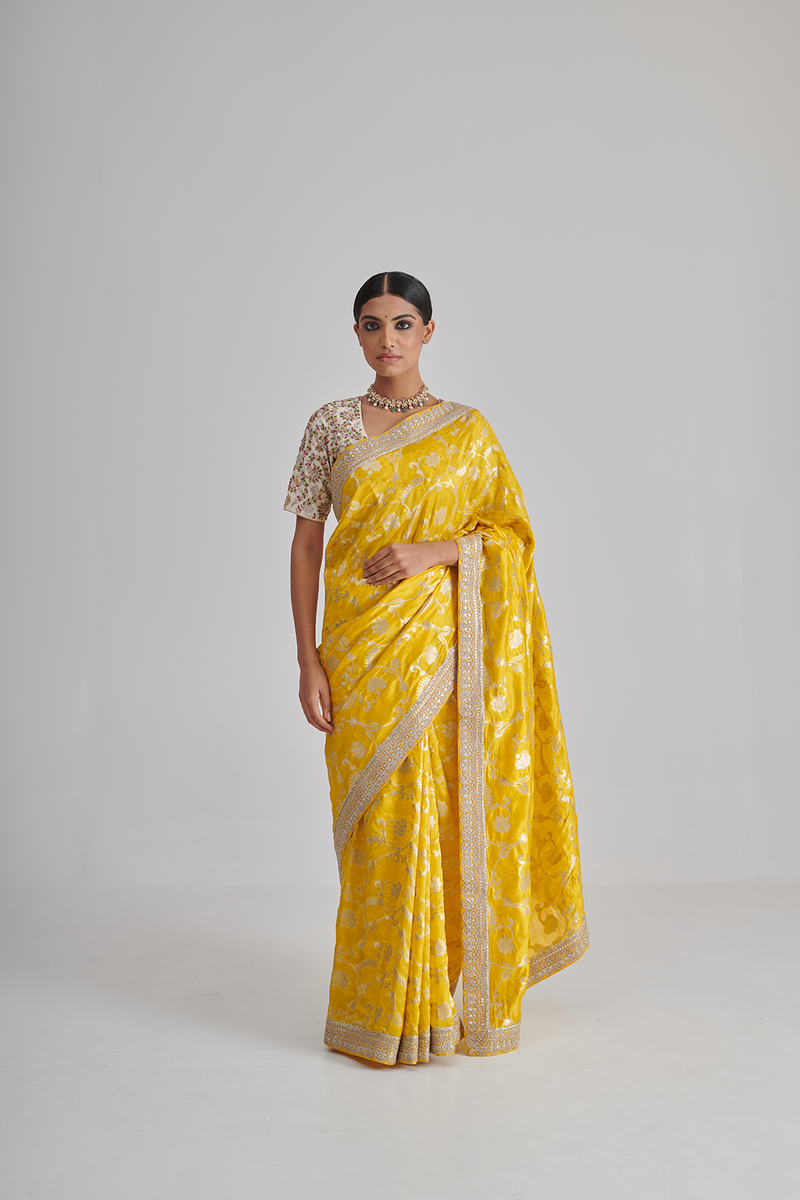
Best Banarasi Saree Brands in India 2026: Where to Buy an Authentic Banarasi
Handmade by karigars Made to your measurements Fit guarantee Ships worldwide As seen in GraziaElle Graduat...
14 September 2026
Gifts for Your Wife She'll Actually Wear: Indian Outfits for Karva Chauth, Diwali & Anniversaries
Handmade by karigars Made to your measurements Fit guarantee Ships worldwide As seen in GraziaElle Graduat...
14 September 2026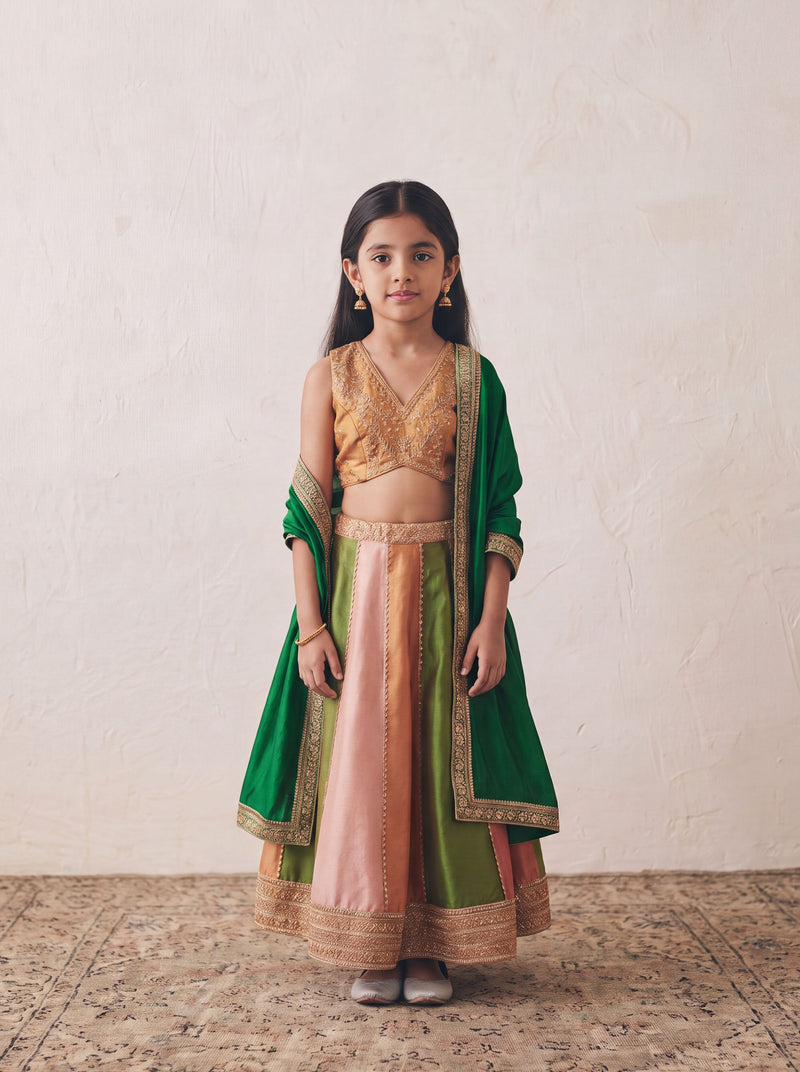
Designer Lehenga for Girls: A Parent's Buying Guide to Kids' Lehengas
Handmade by karigars Made to your measurements Fit guarantee Ships worldwide As seen in GraziaElle Graduat...
14 September 2026