
The Bichhiya Guide: The Quiet Meaning of Toe Rings
Of all the ornaments in the Indian jewellery vocabulary, the bichhiya is the most quietly worn and the most deeply meaningful. Toe rings — usually silver, usually a pair — sit on the second toe of each foot and mark a woman as married in much of India. They're rarely on display and almost never removed, which gives them a tenderness the flashier pieces don't have. This is the closing note in our accessories series: a small guide to a small thing that carries a great deal.
What Is a Bichhiya?
Bichhiya (also bichhua, or metti in the south) is the toe ring worn by married women across India — most often as a matched pair on the second toe of each foot. Traditionally they're given at the wedding and worn every day thereafter, a marker of marital status much like the mangalsutra or sindoor, but lower and more private. They're typically made of silver rather than gold: in Hindu tradition, gold is considered sacred and reserved for the upper body, so the feet are adorned in silver alone — the same reason payal (anklets) are silver too.
The Meaning Behind the Metal
Beyond the marital symbolism, bichhiya carry layers of belief. Silver is thought to draw energy from the earth as you walk, and toe rings sit within an older wellness tradition that connected the toes to the body's rhythms. Whatever one makes of the folklore, the cultural weight is real: putting on your bichhiya each morning is, for many women, a small daily ritual of belonging. Unlike a statement necklace you take off at night, the bichhiya stays — which is part of why it means so much.
Styling Bichhiya: The Bare-Feet Occasions
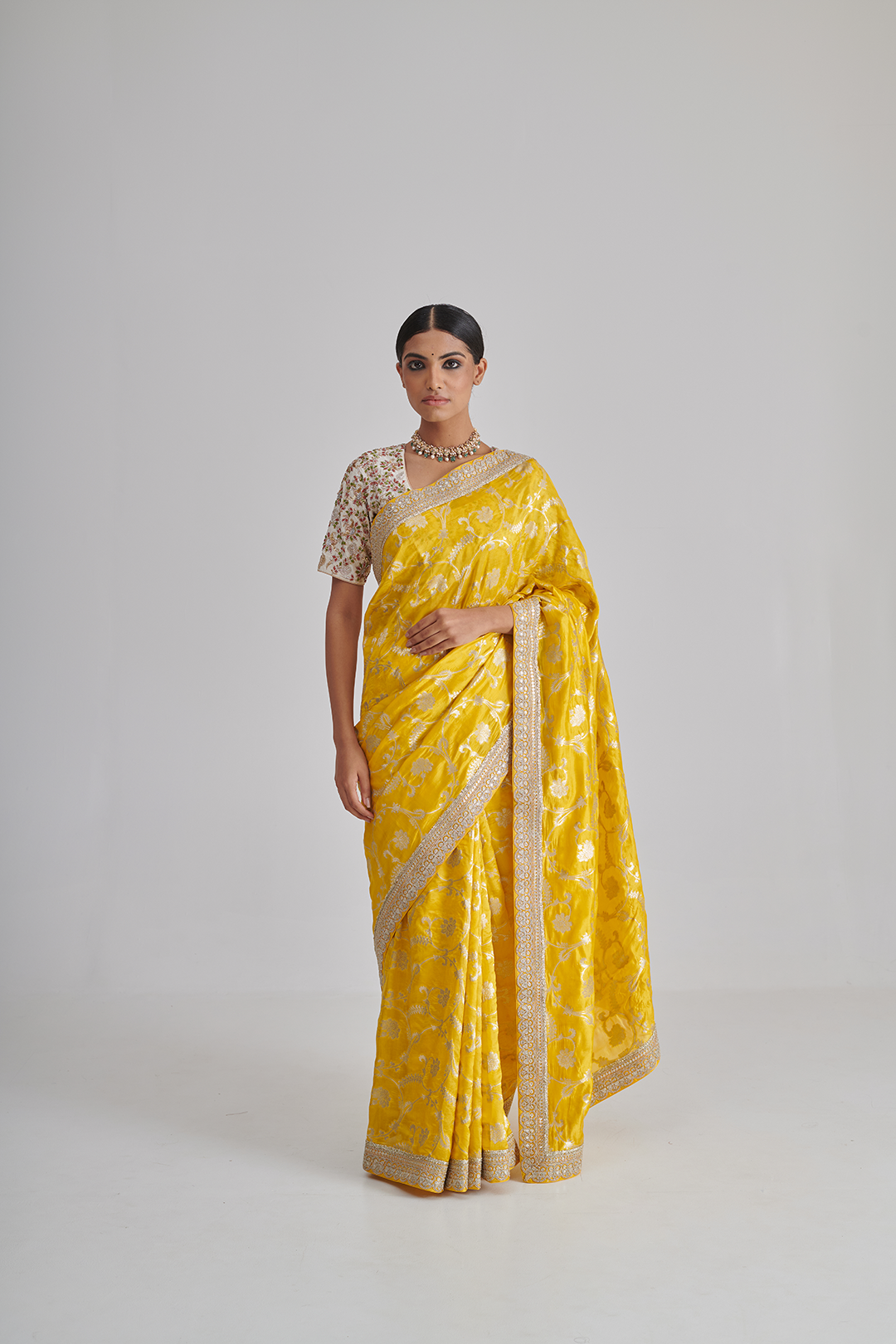
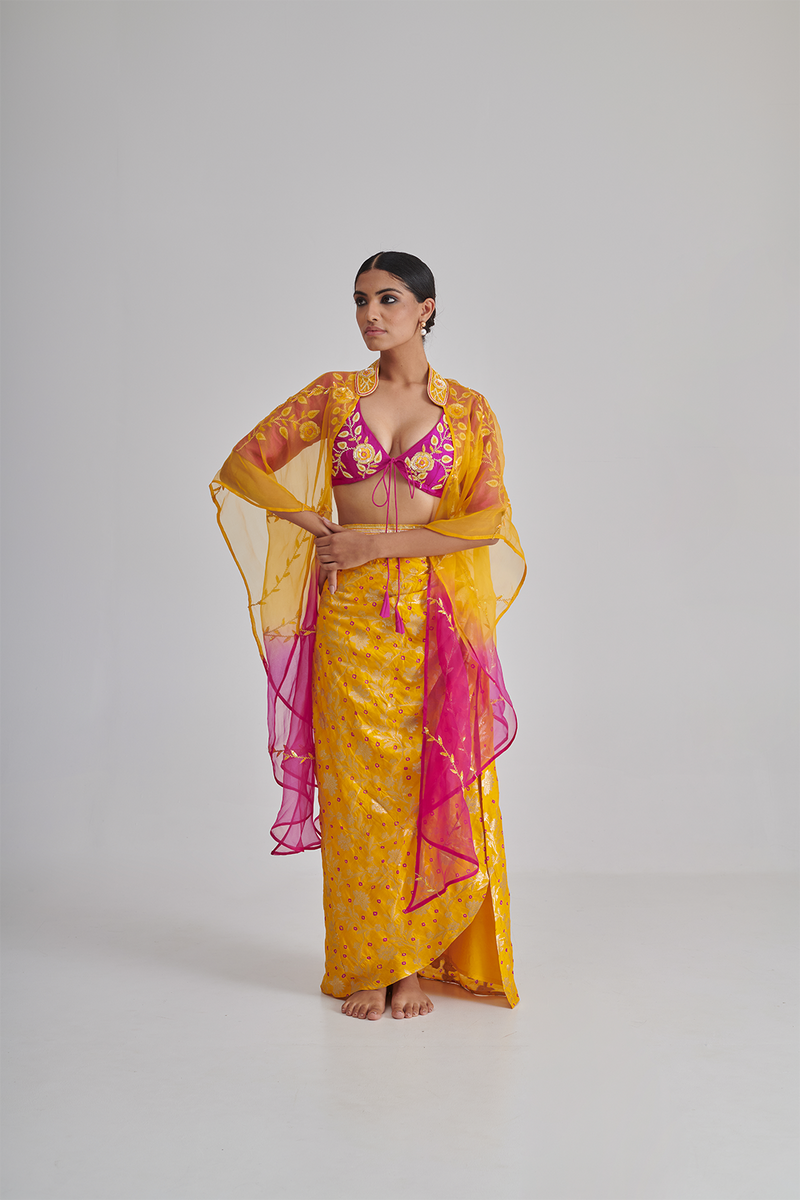
Toe rings come into their own at exactly the moments Indian dressing goes barefoot or open-footed — a saree that pools at the ankle, a lehenga worn with delicate juttis or sandals, a pooja where shoes come off at the door. A flowing drape like the Phalgun saree in yellow Banarasi silk, or the soft Sajni saree in blush chiffon, leaves the feet visible with every step — the natural stage for a pair of silver bichhiya and a matching payal. The look is complete only when you glance down.


Pairing Bichhiya with Payal
Bichhiya and payal are natural partners — both silver, both on the feet, both meant to be glimpsed rather than shown. Together they frame the ankle and foot the way bangles frame the wrist. For a traditional saree or a festive lehenga, a pair of dainty bichhiya with a fine payal reads far more elegant than a heavy anklet alone. Keep them delicate: the charm of foot jewellery is its subtlety, a soft silver flash at the hem rather than a statement that pulls the eye down.
Practical Notes on Wearing Toe Rings
- Choose an adjustable band — feet swell through the day and across seasons, so an open, adjustable bichhiya is far more comfortable than a fixed ring.
- Keep them low-profile for daily wear — a slim, flat design sits comfortably inside closed shoes; save the ornate ones for open-footed occasions.
- Match the silver tone to your payal — a consistent finish makes the whole foot look considered.
- Clean them simply — a soft cloth and mild silver polish keep everyday bichhiya bright; they tarnish gently with wear, which many women love.
Dressed From Head to Toe
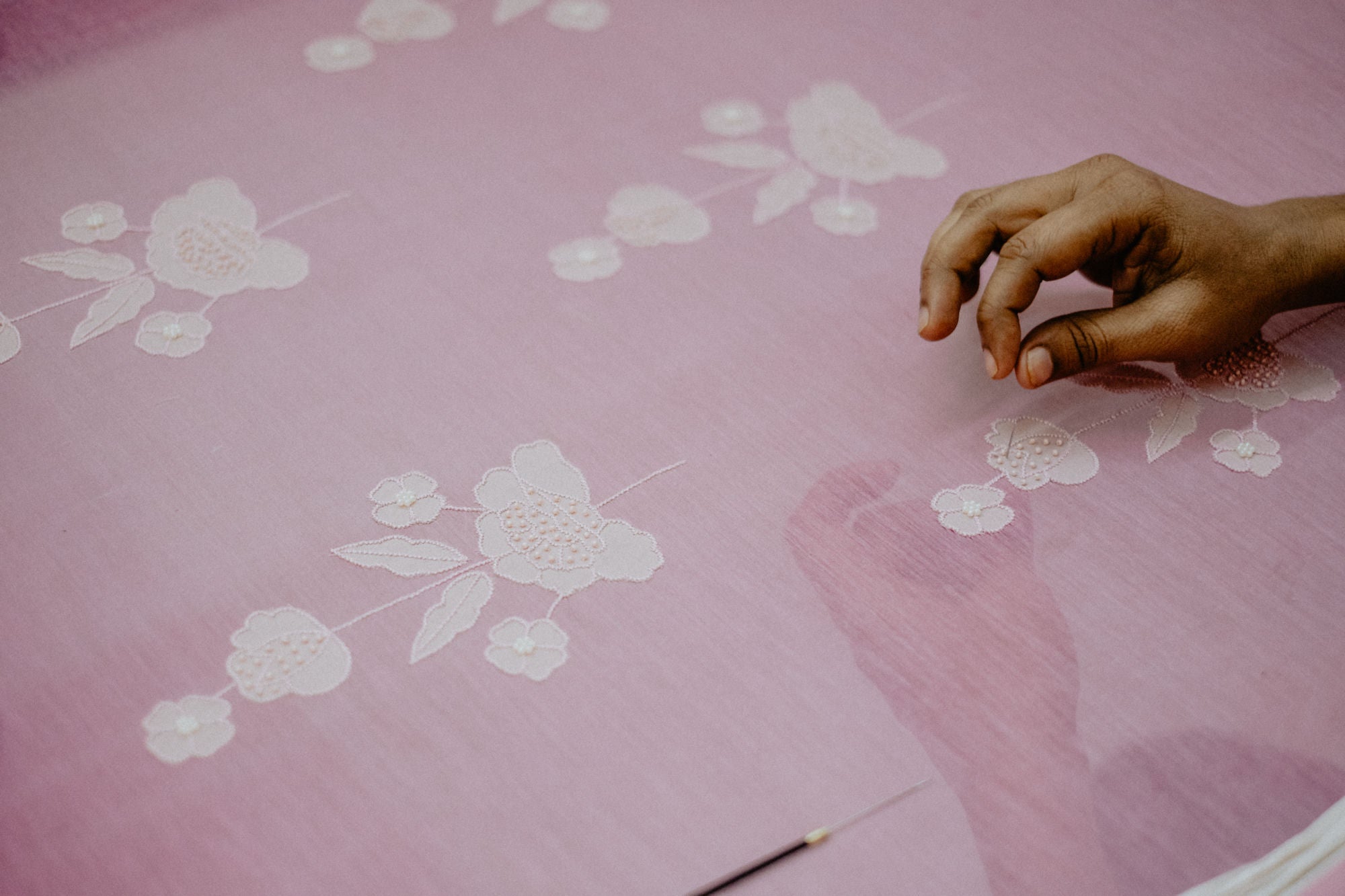
A pair of silver bichhiya finishes a look our karigars begin — every saree and lehenga hand-embroidered in Jaipur and made to your measurements over 4–5 weeks. Explore our sarees and lehengas.
Shop Sarees & LehengasFrequently Asked Questions
What is a bichhiya and what does it symbolise?
Bichhiya are toe rings worn by married women in India, usually as a matched silver pair on the second toe of each foot. Traditionally given at the wedding and worn every day after, they mark marital status much like the mangalsutra or sindoor, but in a lower, more private way.
Why are toe rings made of silver and not gold?
In Hindu tradition, gold is considered sacred and reserved for the upper body, so the feet are adorned in silver alone — which is why both bichhiya and payal are typically silver. Silver is also believed to draw energy from the earth as you walk, adding to the toe ring's traditional meaning.
How do I style bichhiya with an outfit?
Bichhiya shine at open-footed moments — a saree that pools at the ankle, a lehenga with delicate sandals, or a pooja where shoes come off. Pair a dainty silver toe ring with a fine payal in a matching finish for an elegant, subtle flash at the hem, and keep the design delicate rather than heavy.
Made to order in 4–5 weeks
Have an event date? We’ll tell you exactly when to order by.
We take a limited number of orders each month — secure your slot early.
Not sure where to start?
Tell us what you're dressing for and we'll help you choose — fabric, fit, colour, and timeline — over WhatsApp.
Your Cart
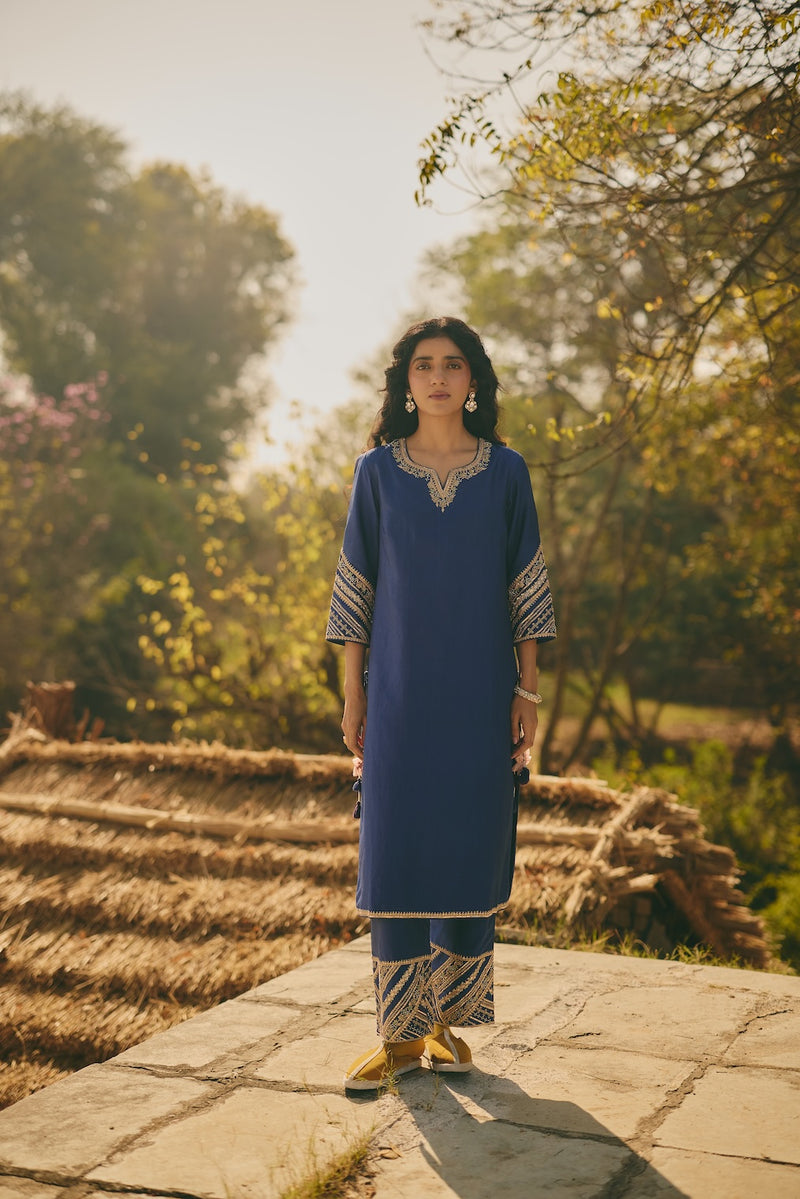
Pieces from this story
All pieces →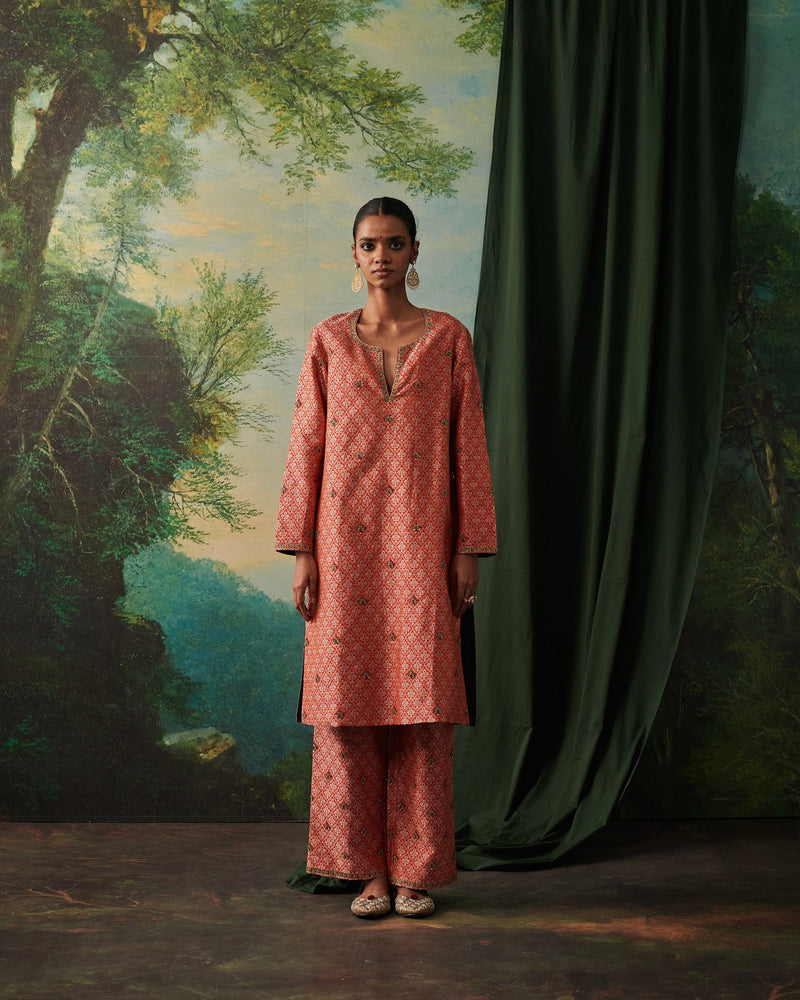
Keep reading
The journal →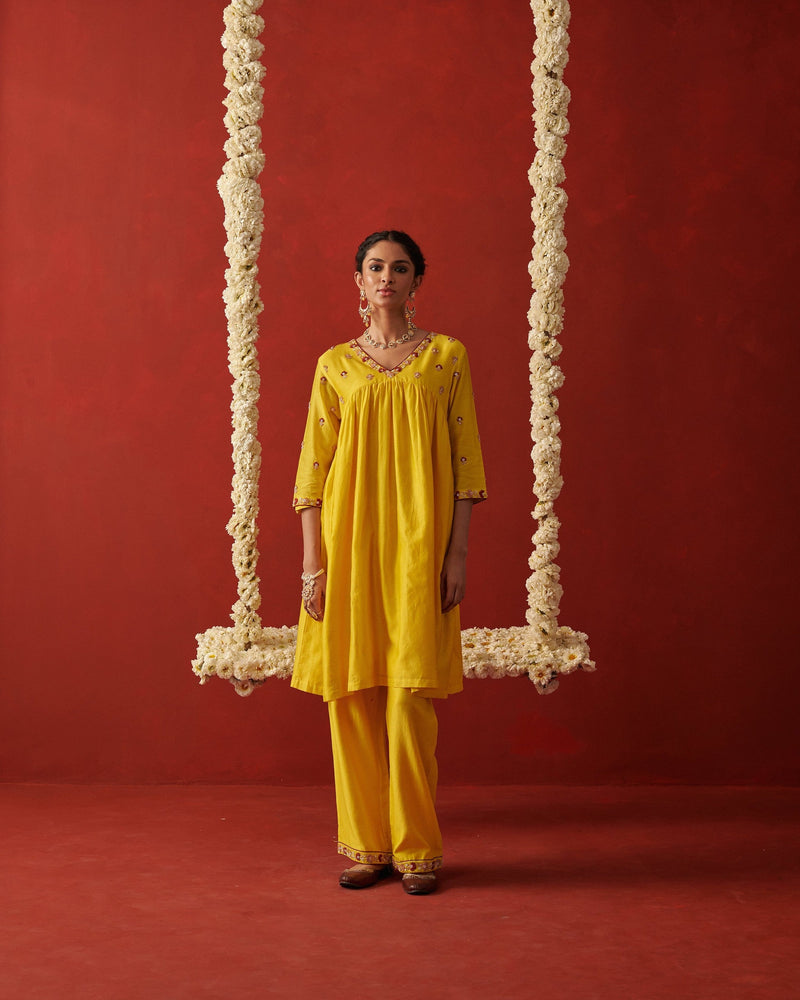
Dholki Night Outfit Ideas: What to Wear to the Ladies' Dhol
Handmade by karigars Made to your measurements Fit guarantee Ships worldwide As seen in GraziaElle Graduat...
27 July 2026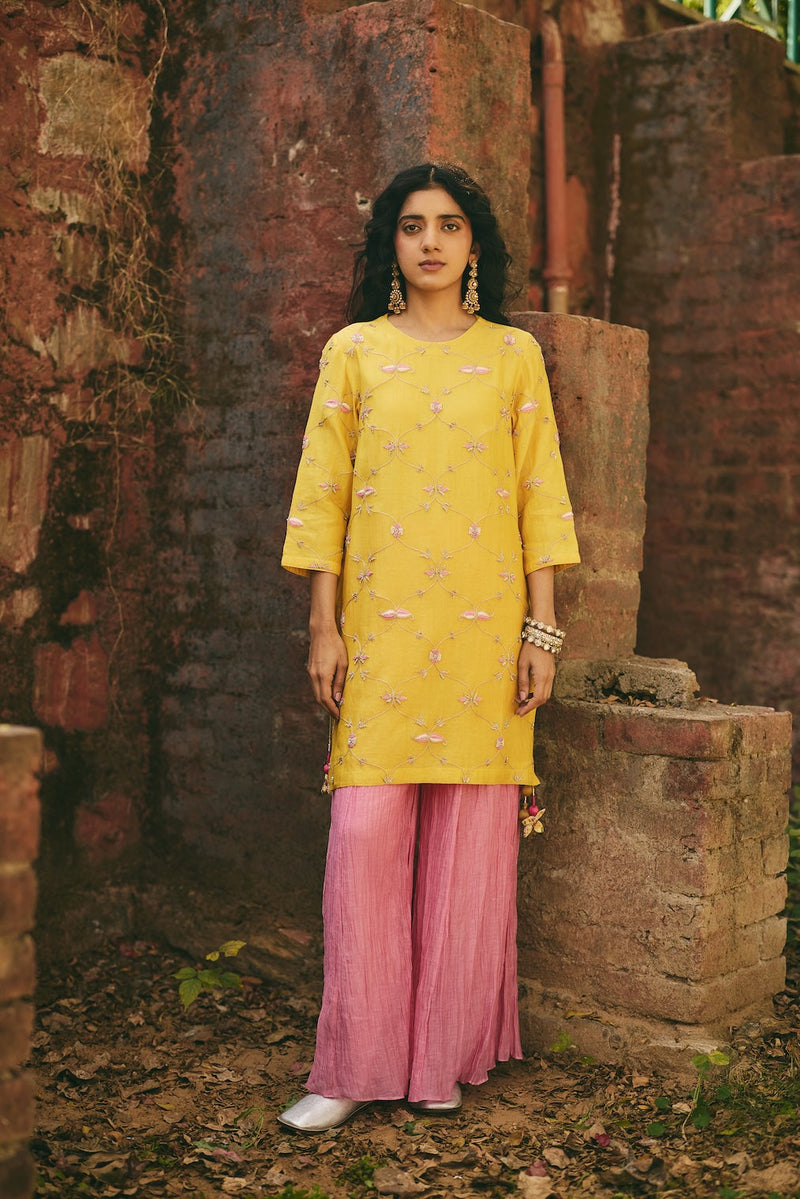
Mayra & Bhaat Outfit Ideas: Dressing for the Maternal Gift Ceremony
Handmade by karigars Made to your measurements Fit guarantee Ships worldwide As seen in GraziaElle Graduat...
27 July 2026
Pag Phera Outfit Ideas: What to Wear for the Bride's Homecoming
Handmade by karigars Made to your measurements Fit guarantee Ships worldwide As seen in GraziaElle Graduat...
27 July 2026