
What to Wear to a Kashmiri Wedding: A Guest's Guide
A Kashmiri wedding is unlike any other Indian wedding you will attend — slower, colder, more heavily perfumed with saffron and kahwa, and dressed in a register of deep colour and gold thread that the rest of the country borrowed and never quite returned. Whether you are invited to a Kashmiri Pandit wedding or a Kashmiri Muslim one, this is the guide to dressing for it.
First: Which Kashmiri Wedding?
Kashmir has two great wedding traditions, and they run differently.
- A Kashmiri Pandit wedding unfolds over intimate home ceremonies — the wanvun singing evenings, the maenziraat (the henna night), the devgon purification, and the lagan, the wedding itself, conducted around the fire. The bride traditionally wears the pheran with the taranga headdress, and the dejhoor — the gold ear ornament that marks a married Pandit woman — is central to the ritual.
- A Kashmiri Muslim wedding builds toward the nikah and the walima, with its own mehndiraat henna night — and at its heart the wazwan, the legendary multi-course feast served on shared platters called traems. Expect to sit on the floor, eat with your hands, and be there for hours.
For a guest, the dressing logic is nearly the same at both: rich colour, real modesty, warm layers, and clothes you can sit on the floor in.
The Palette: Jewel Tones and Gold Thread
Kashmiri occasion dressing is built on deep, saturated colour — pomegranate reds, saffron, emerald, walnut browns, royal blues — worked over with tilla, the couched gold-and-silver thread embroidery that edges pherans and dupattas. The visual key is depth over sparkle: colours that look like they have been steeped, and metallic work used in fine lines rather than sheets of sequin.
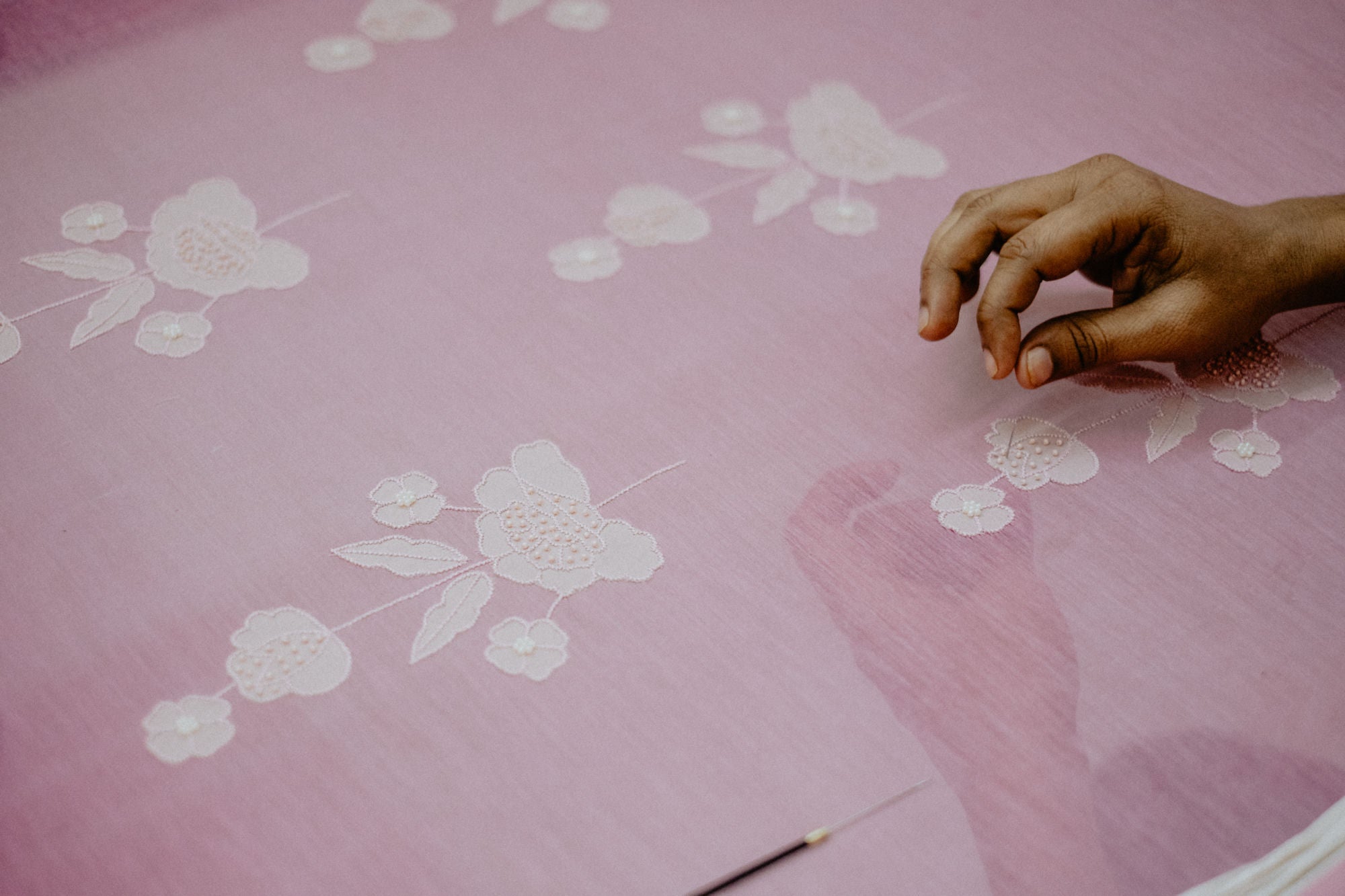
A note of honesty, in keeping with our habit: we do not make pherans, and tilla work belongs to Kashmiri karigars — if you can commission the real thing from Srinagar, do. But one Kashmiri craft did travel: aari embroidery, the hooked-needle chainstitch our Jaipur workshop uses daily, has deep Kashmiri roots. When you wear fine aari work, you are wearing a technique the valley perfected.
Deep Reds for the Main Event
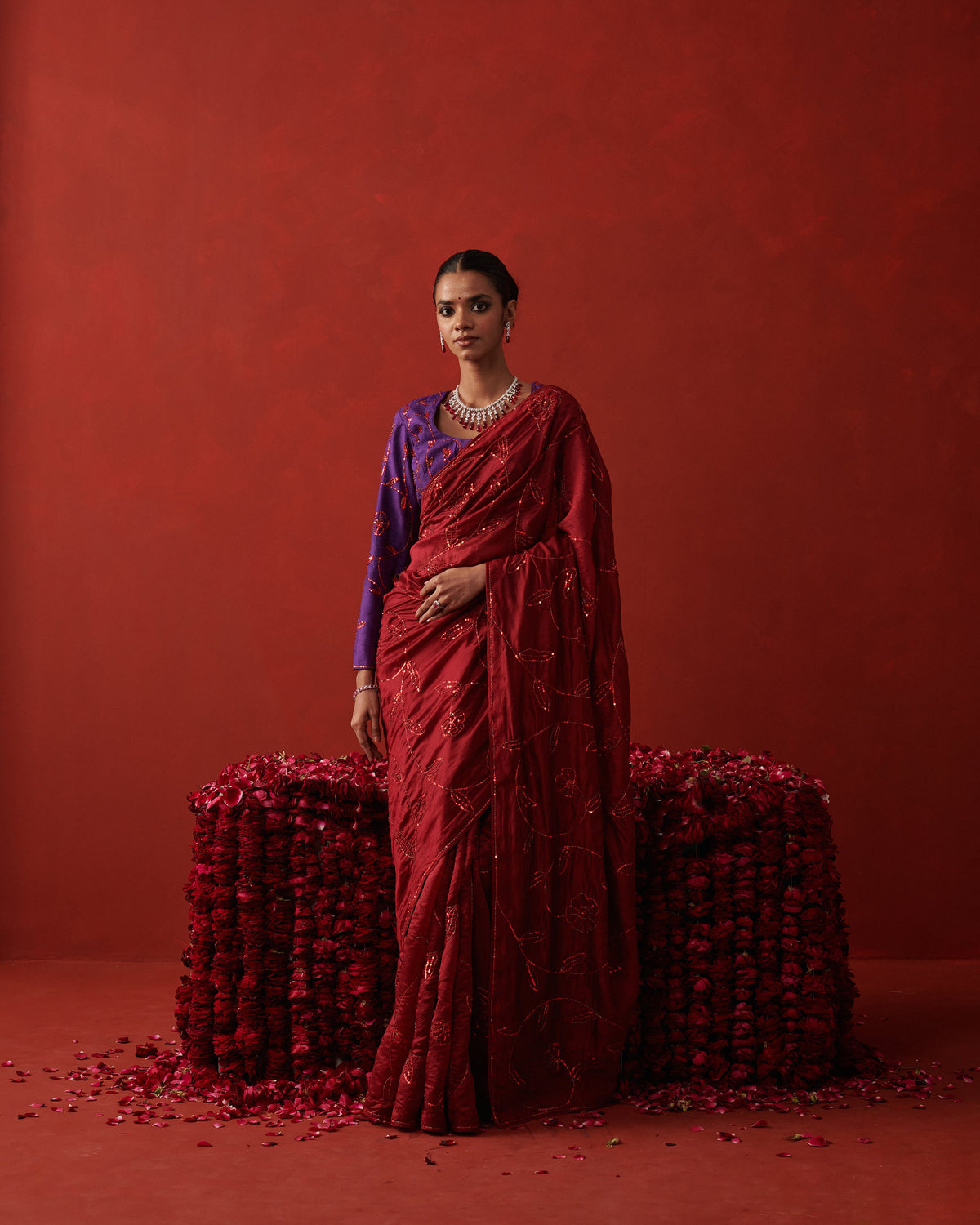
Red is entirely welcome on guests at a Kashmiri wedding — the bridal registers are distinct enough (taranga and pheran, or heavy tilla bridalwear) that a guest in a red saree competes with no one.
The Laal Ishq saree is deep vermillion organza silk — a colour with exactly the steeped, serious quality the occasion calls for. The Rangrez saree in deep red chiffon, embroidered with delicate floral work, drapes softly enough to sit comfortably through a long lagan or a longer wazwan.


The Sakhi saree — deep sindoori red organza with sequin, cutdana and gota work — brings the old-school festive charm that suits the singing nights, when the dressing is festive but not formal.
Blues, Plums and Walnut Browns
If red feels too expected, the rest of the Kashmiri palette is arguably more beautiful. The Aashiqui saree in deep royal blue chiffon with hand-embroidered floral motifs has the vintage, velvet-evening quality that suits a winter wedding in the cold. The Ranjha saree is plum georgette with hand-embroidered scalloped lines and floral jaals running diagonally across the drape.
For something structured rather than draped, the Heeriye anarkali with Reva churidaar in rich cinnamon-brown Chanderi is the exact shade of walnut wood and kahwa — lightweight but warm-toned, and very much in key.


The Zehan kurta with Aabha sharara in majestic purple silk, carrying a dense landscape of hand embroidery, is the piece for close family — regal without borrowing anything from the bride.
Dress for the Cold — Genuinely
This is the practical heart of the guide. If the wedding is in the valley, it will be cold in a way plains-dwellers underestimate — autumn and winter weddings routinely sit near freezing, and homes are heated by bukharis and kangris, not central heating.
- Choose sleeves. Full or three-quarter sleeves, and a blouse that is not backless. You will not regret it.
- Layer a shawl properly. A pashmina or fine wool shawl is not an accessory here, it is equipment — and nothing looks more correct at a Kashmiri wedding than a good shawl worn well.
- Silks over sheers. A chiffon saree over a warm underlayer works; an organza lehenga with a bare midriff does not.
- Floor seating is standard. The wazwan is eaten seated on the floor around the traem; Pandit ceremonies gather around the fire. Wear drapes you can fold your legs in, and skip the trailing trail.
Etiquette Worth Knowing
- Modesty is the register at both Pandit and Muslim functions — covered shoulders, nothing deeply cut. At a nikah, carry a dupatta that can cover the head.
- Shoes come off constantly. Home ceremonies, prayer spaces, floor dining. Wear footwear you can slip off, and socks you are happy to be seen in.
- Do not rush the wazwan. Courses arrive in ceremonial order; wait, eat with your right hand, and accept at least a little of everything — declining outright reads as rejection of hospitality.
- At a Pandit lagan, the ceremony is long and Sanskrit-heavy. Settle in; leaving mid-ceremony is noticed.
If you are flying in for the wedding, our packing guide covers travelling with embroidered pieces, and our winter wedding guide goes deeper on cold-weather dressing. For other regional traditions, see our guides to Assamese and Bengali weddings.
Hand Embroidery, Made to Your Measure
Every piece is hand-embroidered by karigars in our Jaipur workshop — including aari work, the chainstitch technique Kashmir gave the world — and made to your measurements over 4–5 weeks. Explore the full collection.
Shop the CollectionFrequently Asked Questions
What do guests wear to a Kashmiri wedding?
Deep jewel tones — reds, royal blues, plums, emeralds — with fine gold work, worn modestly and warmly. Sarees, anarkalis and embroidered kurta sets all work; choose sleeves and carry a good shawl, since valley weddings are genuinely cold and much of the celebration happens seated on the floor.
What is a pheran?
The pheran is Kashmir's traditional loose, long over-garment, worn by both men and women, often finished with tilla — couched gold or silver thread embroidery — at the neckline and cuffs. Kashmiri Pandit brides traditionally wear a pheran with the taranga headdress on the wedding day.
What is tilla embroidery?
Tilla is Kashmir's metallic thread embroidery — gold and silver thread couched onto fabric in fine floral and paisley lines, most famously on pherans and wedding wear. It is worked by Kashmiri karigars, chiefly in and around Srinagar.
Can a guest wear red to a Kashmiri wedding?
Yes. Kashmiri bridal dress is distinctive enough — the taranga and pheran at a Pandit wedding, heavy tilla work at a Muslim one — that a guest in a red saree clashes with no one. Deep, steeped reds suit the register better than bright scarlet with heavy sequins.
Made to order in 4–5 weeks
Have an event date? We’ll tell you exactly when to order by.
We take a limited number of orders each month — secure your slot early.
Not sure where to start?
Tell us what you're dressing for and we'll help you choose — fabric, fit, colour, and timeline — over WhatsApp.
Your Cart
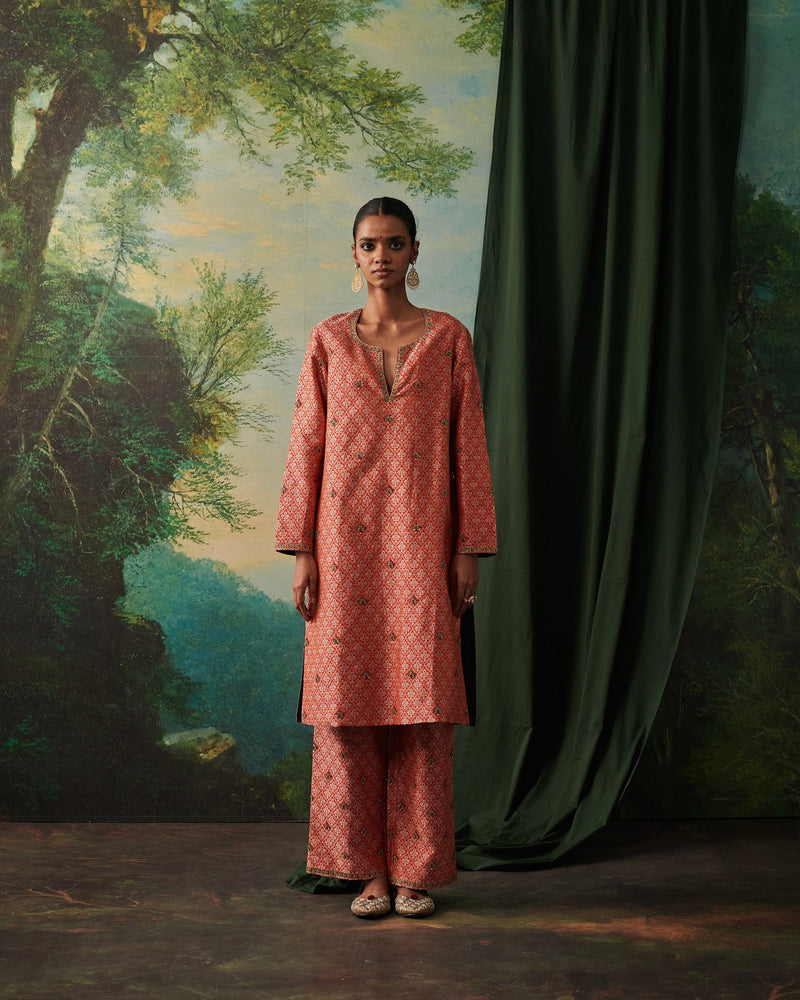
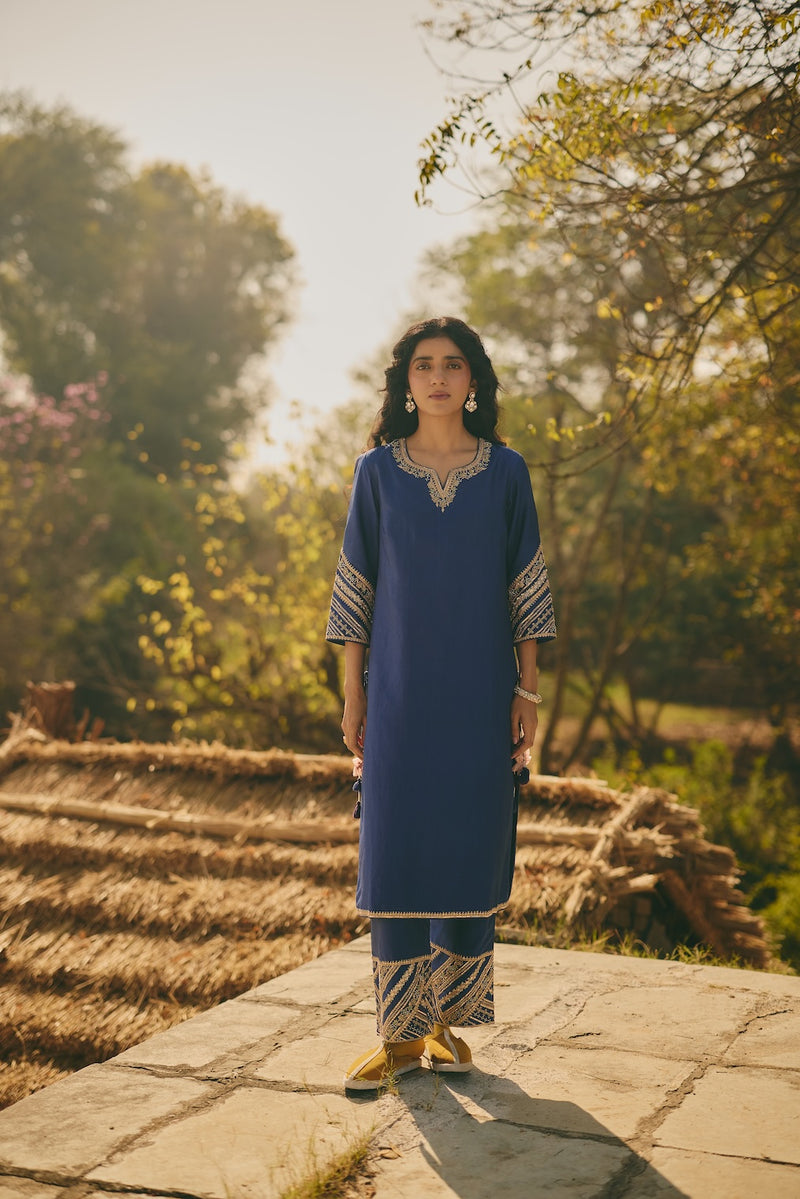
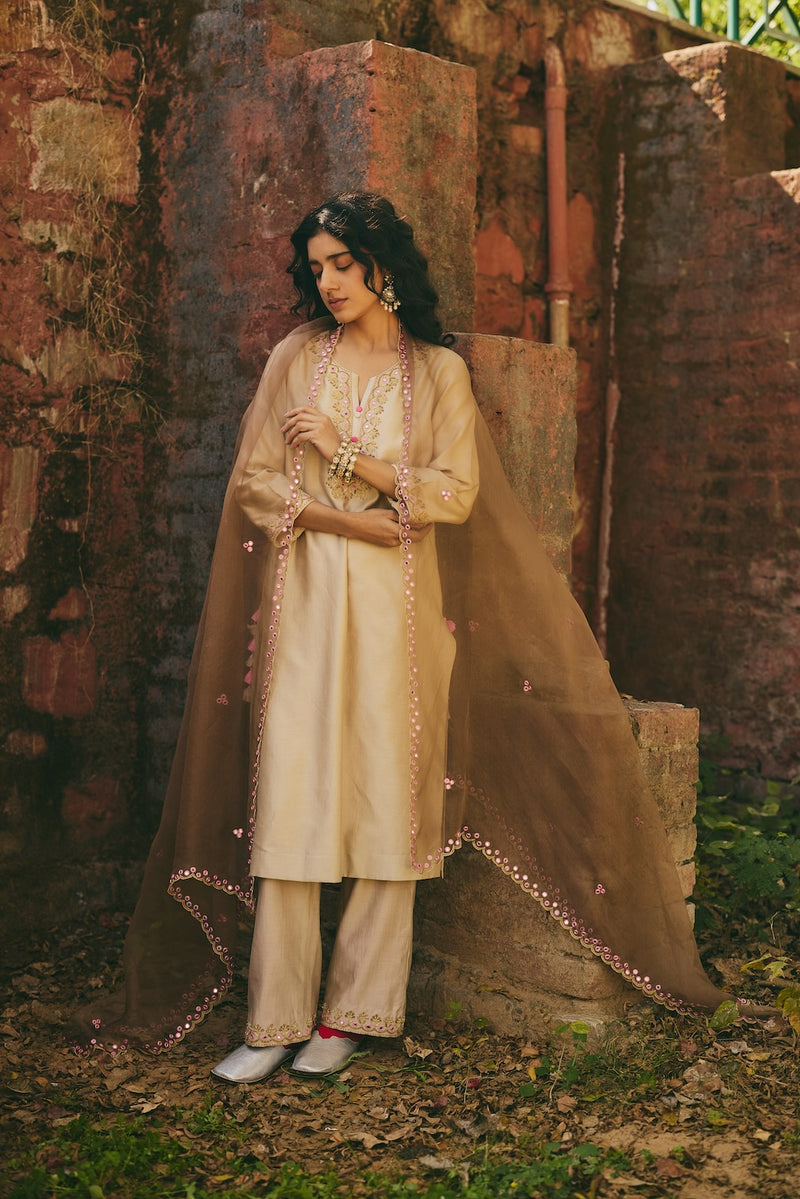
Pieces from this story
All pieces →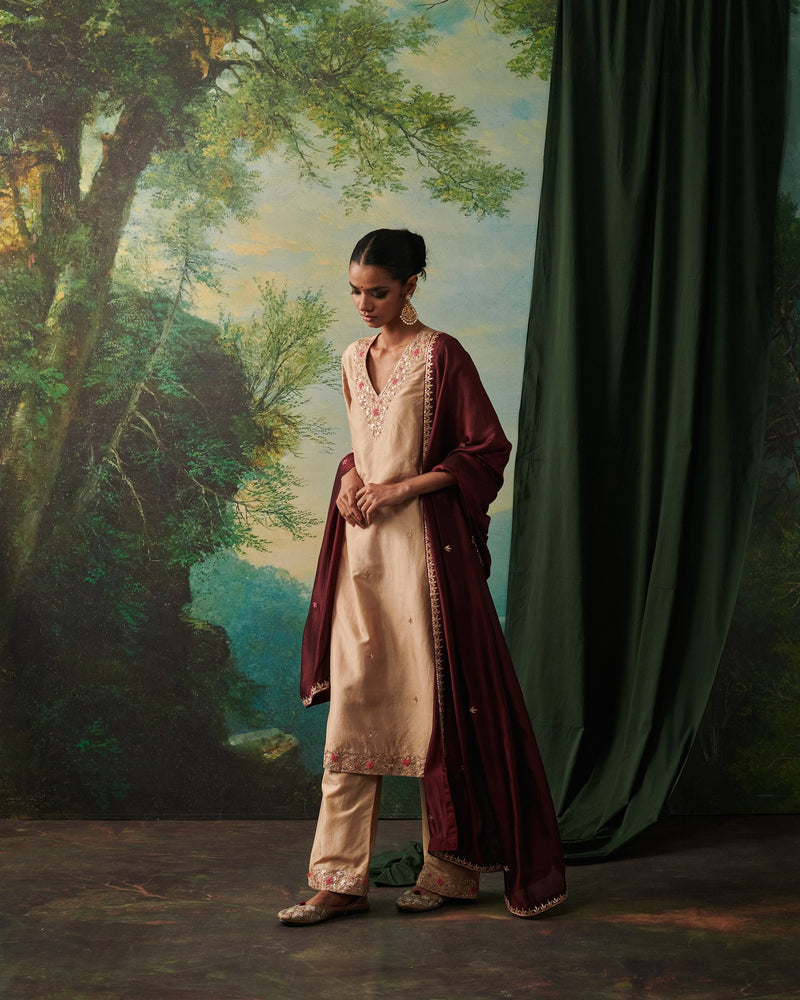
Keep reading
The journal →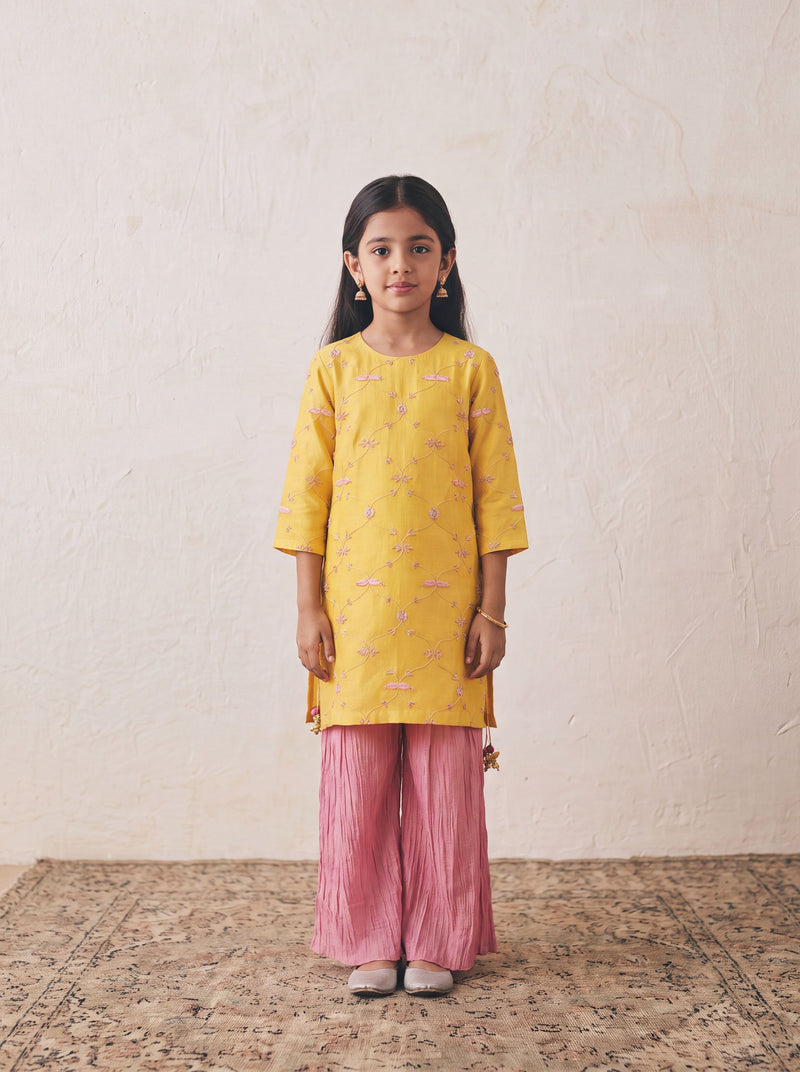
Kids' Lohri & Makar Sankranti Outfit Ideas: Bonfires, Kites and Warm Layers
Handmade by karigars Made to your measurements Fit guarantee Ships worldwide As seen in GraziaElle Graduat...
5 September 2026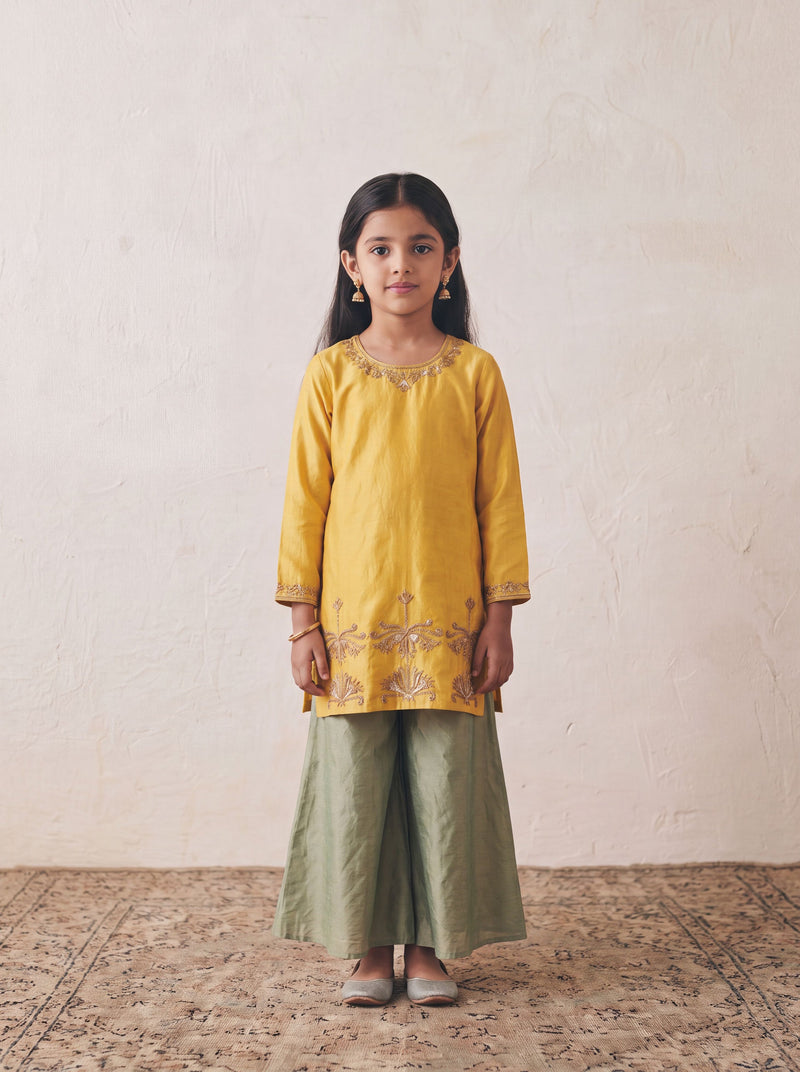
What Should Kids Wear to a School Annual Day or Function?
Handmade by karigars Made to your measurements Fit guarantee Ships worldwide As seen in GraziaElle Graduat...
5 September 2026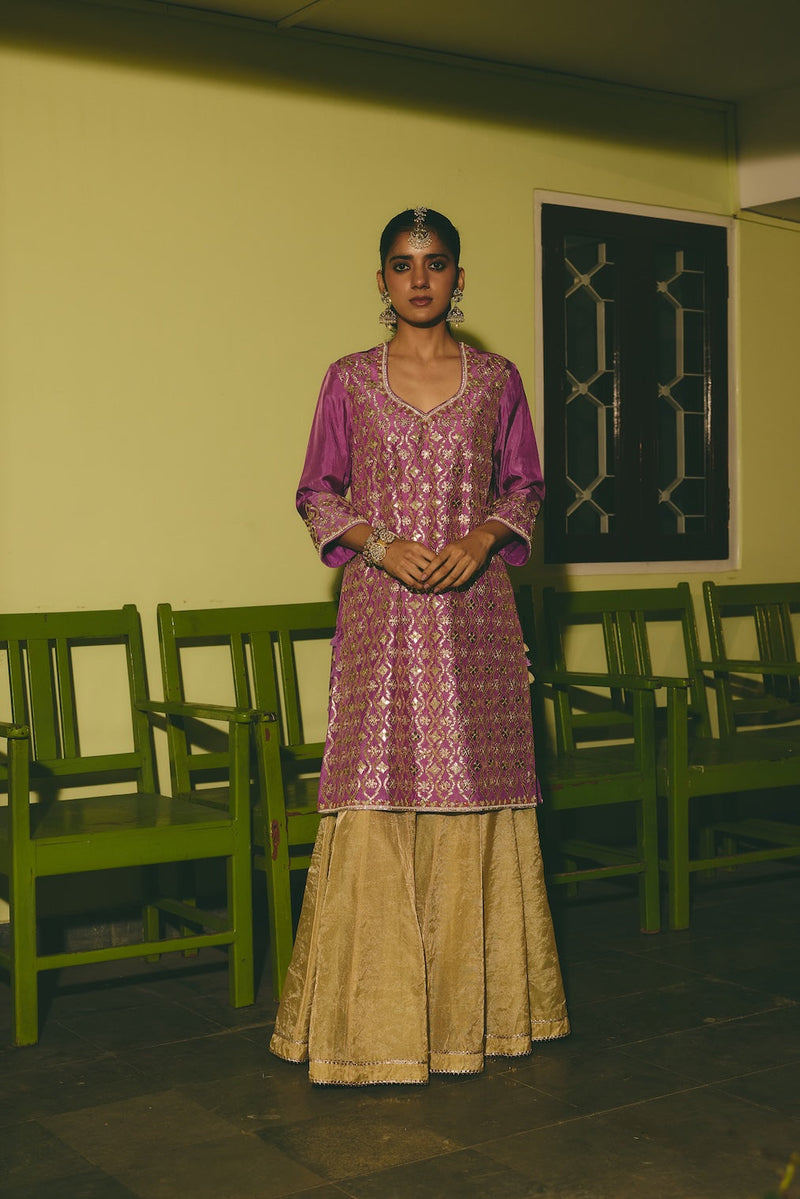
What to Wear to a Hyderabadi Wedding: A Guest's Guide
Handmade by karigars Made to your measurements Fit guarantee Ships worldwide As seen in GraziaElle Graduat...
5 September 2026