
What to Wear to an Odia Wedding: A Guest's Guide
An Odia wedding sits somewhere lovely between the austerity of a temple ritual and the warmth of a family feast. Odisha's weddings carry their own colour logic — sun yellows and sindoori reds, temple-border silks, ikat that the rest of India now queues for — and a few customs that surprise first-time guests, including one of the sweetest: at a traditional Odia Hindu wedding, the groom's mother does not attend the ceremony itself. Here is how to dress for it.
The Functions You Are Likely Invited To
- Nirbandha. The formal engagement and fixing of the match, usually at home with elders — a daytime, family-heavy affair.
- Haladi and Mangana. The turmeric ceremonies — Odisha's haldi — where yellow rules everything.
- Barajatri and Bahaghara. The groom's procession and the wedding itself — the kanyadaan, hatha ghanti and saptapadi around the fire. Depending on the muhurta, this can be daytime or run late into the night.
- Chauthi and the reception. The fourth-day rituals and the dinner where everyone finally relaxes.
The Palette: Sindoori Red, Sun Yellow, Temple Gold
Odia wedding dressing leans on a very specific pair: red and yellow. The bride is classically in red — often a Sambalpuri ikat, a Bomkai, or a Banarasi — and yellow saturates the haladi rituals. Around them sits the vocabulary of Odisha's temple-border silks: rows of woven temple spires (kumbha), rudraksha beading, fish and conch motifs pulled from the Jagannath tradition.
Our usual honesty: we do not weave ikat, and Sambalpuri, Bomkai, Berhampuri and Khandua silks belong to Odisha's weavers — Khandua, the red-and-yellow silk of Nuapatna, is woven for Lord Jagannath himself. If you can buy the real thing for the wedding, do. What we make are hand-embroidered pieces in the same colour register, for guests who want to dress in key.
Sindoori Reds for the Bahaghara
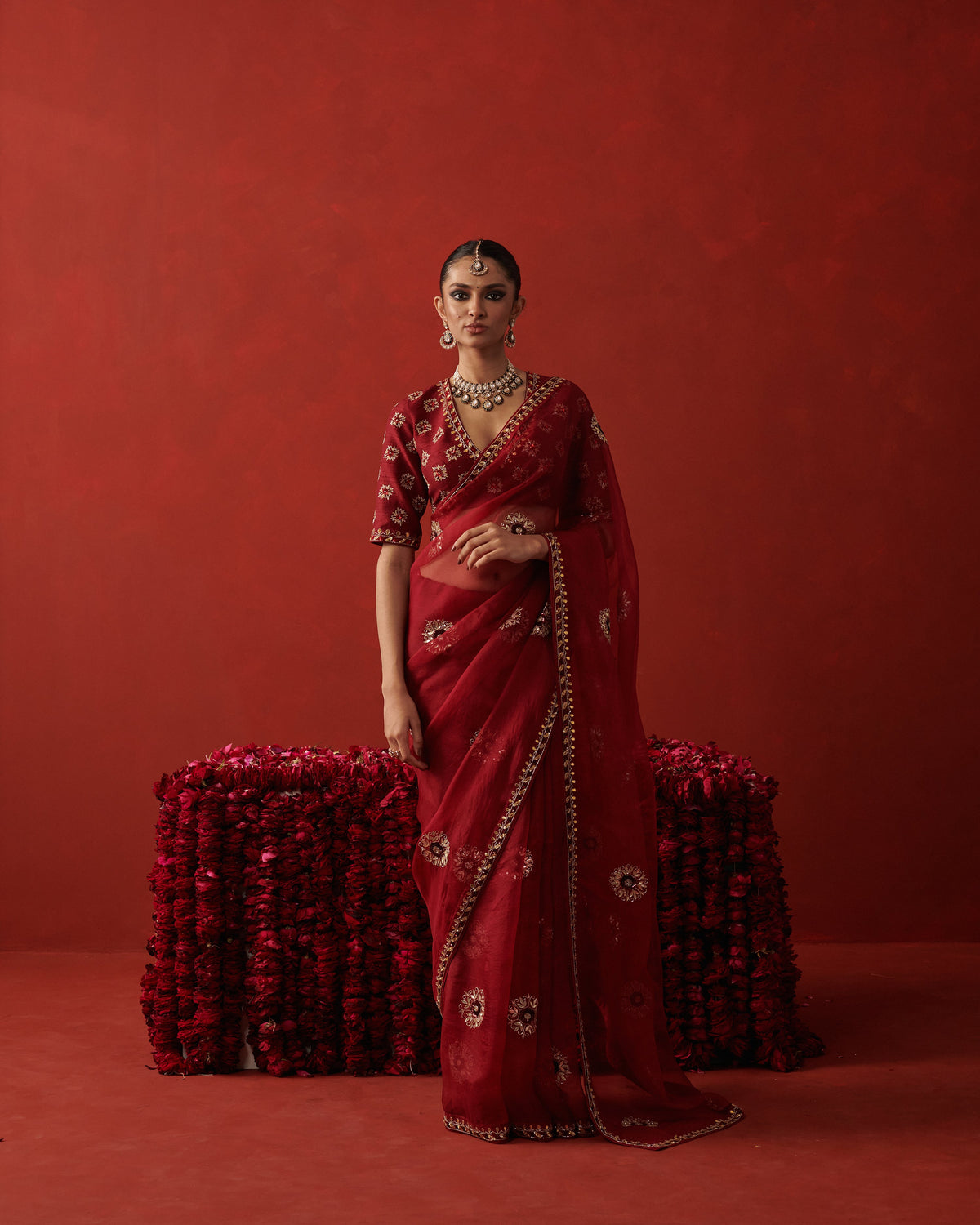
The Sakhi saree is deep sindoori red organza, hand-embroidered with sequin, cutdana and gota work in an old-school festive spirit — the exact red of the occasion, arrived at with a needle instead of a loom. The Mehfil saree, rich chiffon in the same deep sindoori red with a contrasting blouse, is the version for the evening ceremony and the reception.


Between red and yellow sits orange, and the Mahira lehenga with Raanisa blouse in vibrant sindoori orange woven booti silk — finished with gota, marodi, bead and sequin work — catches both at once.
Yellows for the Haladi
The turmeric functions call for yellow without apology. The Phalgun yellow Banarasi saree with Myra blouse is yellow Banarasi silk with floral motifs woven in silver thread and a rich lace finish — festive enough for the main haladi gathering. For a lighter, younger silhouette, the Afreen kurta with Maahi pant in sunshine-yellow Chanderi with cutdana and bead embroidery keeps you comfortable through a long morning of turmeric and singing.


If you want yellow at lehenga formality, the Hesyra lehenga with Driti blouse in radiant yellow silk carries festive luminosity without stepping anywhere near bridal red.
For the Quieter Functions
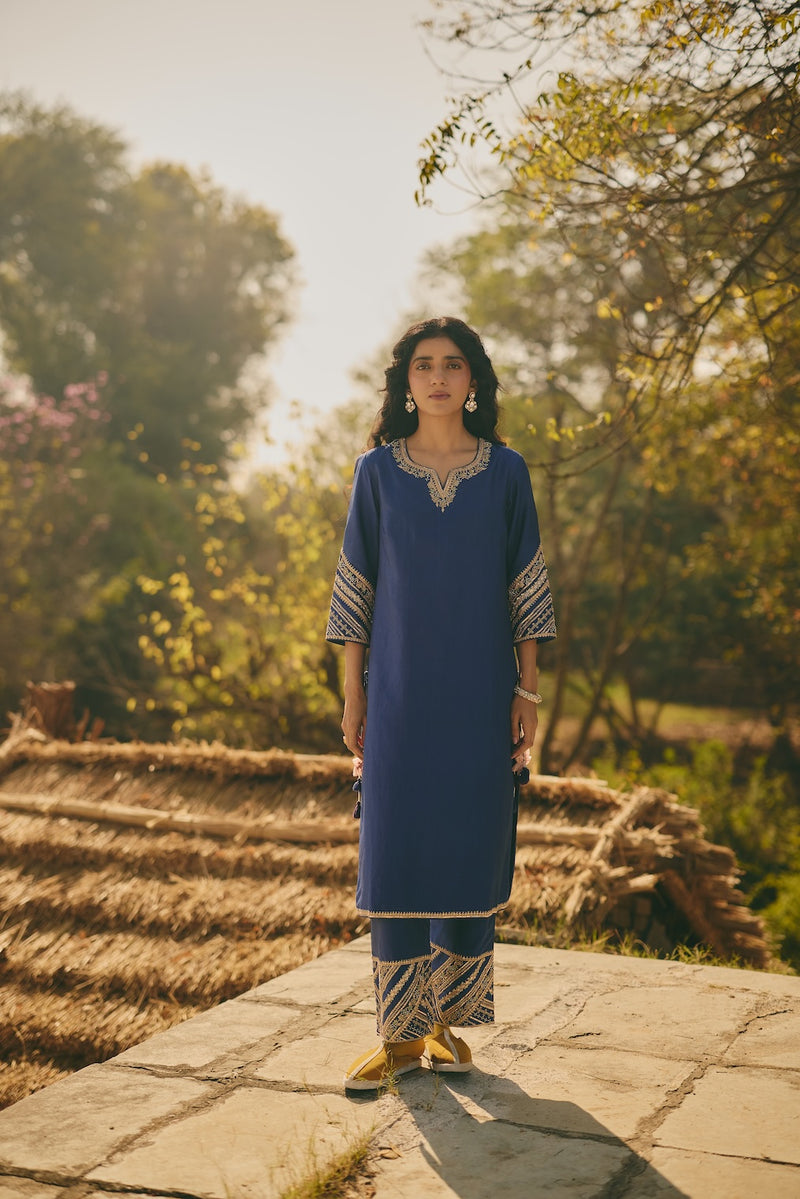
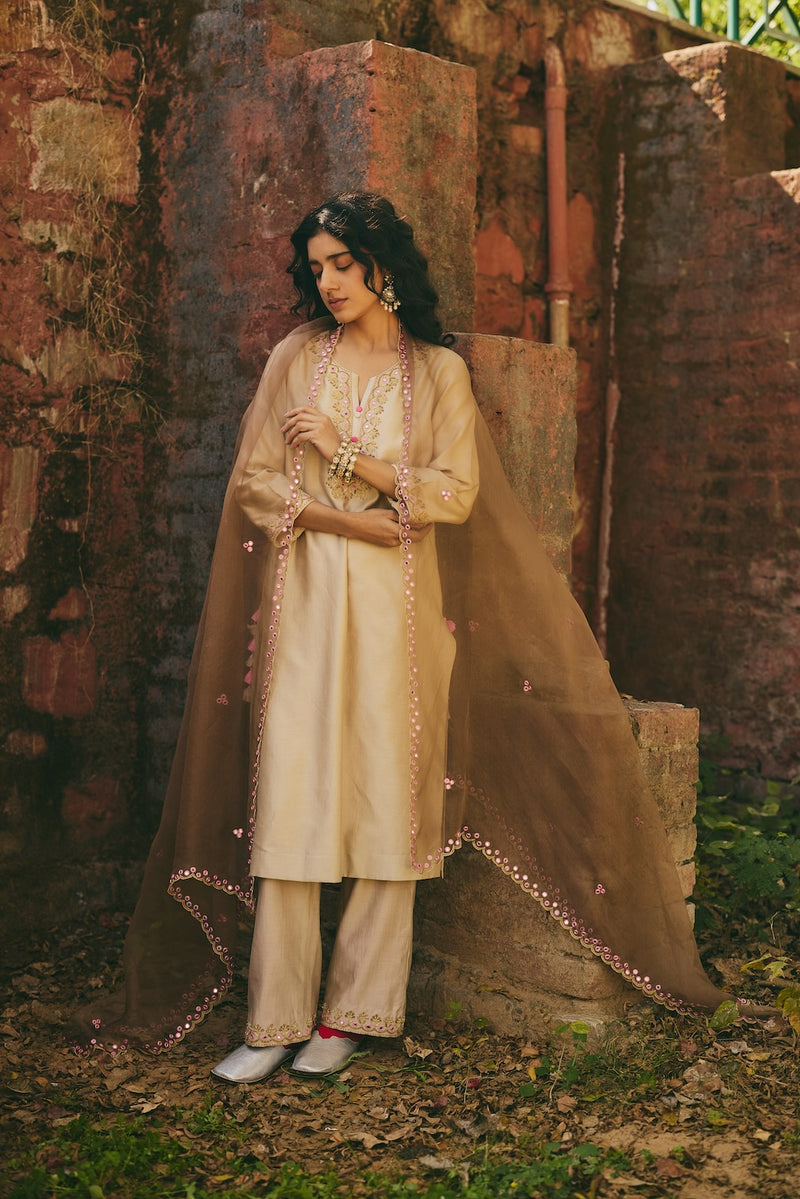
Nirbandha and the home rituals want ease rather than shine. The Naina ivory cotton kurta with Ahalya pant — delicate hand-embroidered florals on breathable cotton — is right for daytime rituals where you will be seated on the floor. The Suroor anarkali in Bandhej Banarasi silk with woven gold bootis steps up gracefully for an evening gathering without competing with anyone.
Etiquette Worth Knowing
- Check the muhurta timing. Odia weddings follow the auspicious hour strictly — some bahagharas happen in daylight, some at midnight. Dress for the hour: lighter silks and cottons for a daytime ceremony, richer drapes after dark.
- Floor seating and bare feet are standard at home rituals and near the fire. Slip-on footwear, manageable drapes.
- Modesty over glamour. Odia weddings run traditional — covered shoulders and midriff for the ceremony itself; save the deeper-cut blouse for the reception.
- Handloom is honoured. Wearing a Sambalpuri or any Odisha handloom as a guest is read as a compliment to the culture, not appropriation. Wear it proudly if you have one.
- Pakhala-season weather. Coastal Odisha is warm and humid most of the year — breathable fabrics under everything, and blotting papers over powder.
For neighbouring traditions, see our guides to Bengali, Assamese and Telugu weddings — and if you are travelling for this one, the packing guide.
Hand-Embroidered, Made to Order in Jaipur
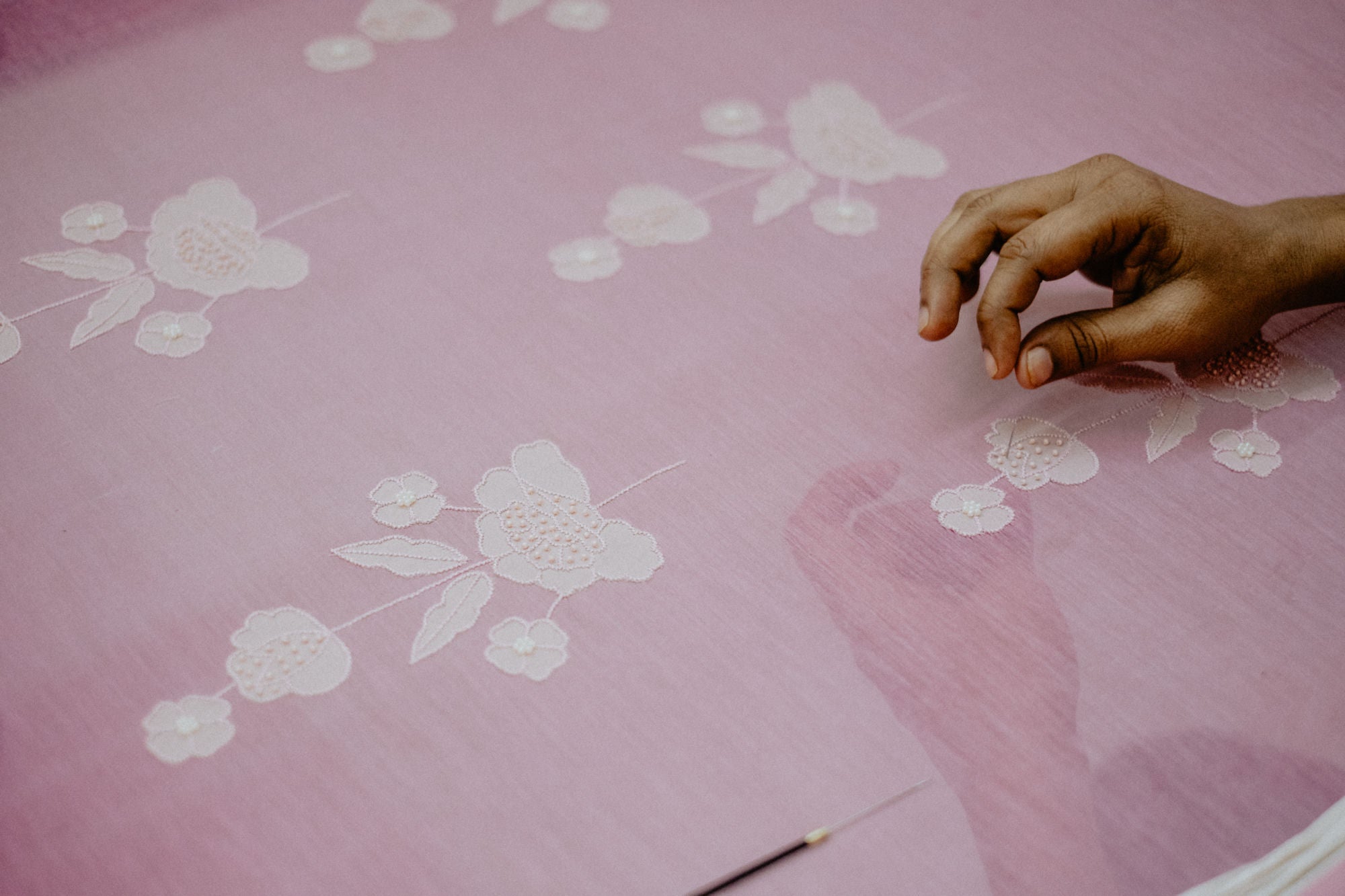
Every piece is hand-embroidered by karigars and made to your measurements over 4–5 weeks — so the blouse fits for the daytime bahaghara and the pallu behaves at the reception. Explore the full collection.
Shop the CollectionFrequently Asked Questions
What do guests wear to an Odia wedding?
Reds, yellows, oranges and golds are the natural register — a Sambalpuri or other Odisha handloom if you have one, otherwise a saree, lehenga or embroidered kurta set in those tones. Dress modestly for the ceremony itself and keep fabrics breathable; coastal Odisha is warm and humid most of the year.
What is Khandua silk?
Khandua is the traditional ikat silk of Nuapatna in Odisha, classically woven in red and yellow and offered to Lord Jagannath at Puri. Along with Sambalpuri ikat, Bomkai and Berhampuri silk, it is one of Odisha's signature wedding weaves.
Can a guest wear red to an Odia wedding?
Yes — red is festive for everyone in Odisha, and guests in red are entirely normal. Simply avoid a full bridal-weight red-and-gold lehenga; a red saree with lighter work, or red worn with yellow or orange, sits comfortably in the register.
Are Odia weddings held during the day?
They can be — the bahaghara follows the muhurta chosen by the family's astrologer, which may fall in daylight or late at night. Check the invitation timing and dress for the hour: lighter fabrics for daytime ceremonies, richer silks for evening ones.
Made to order in 4–5 weeks
Have an event date? We’ll tell you exactly when to order by.
We take a limited number of orders each month — secure your slot early.
Not sure where to start?
Tell us what you're dressing for and we'll help you choose — fabric, fit, colour, and timeline — over WhatsApp.
Your Cart
Pieces from this story
All pieces →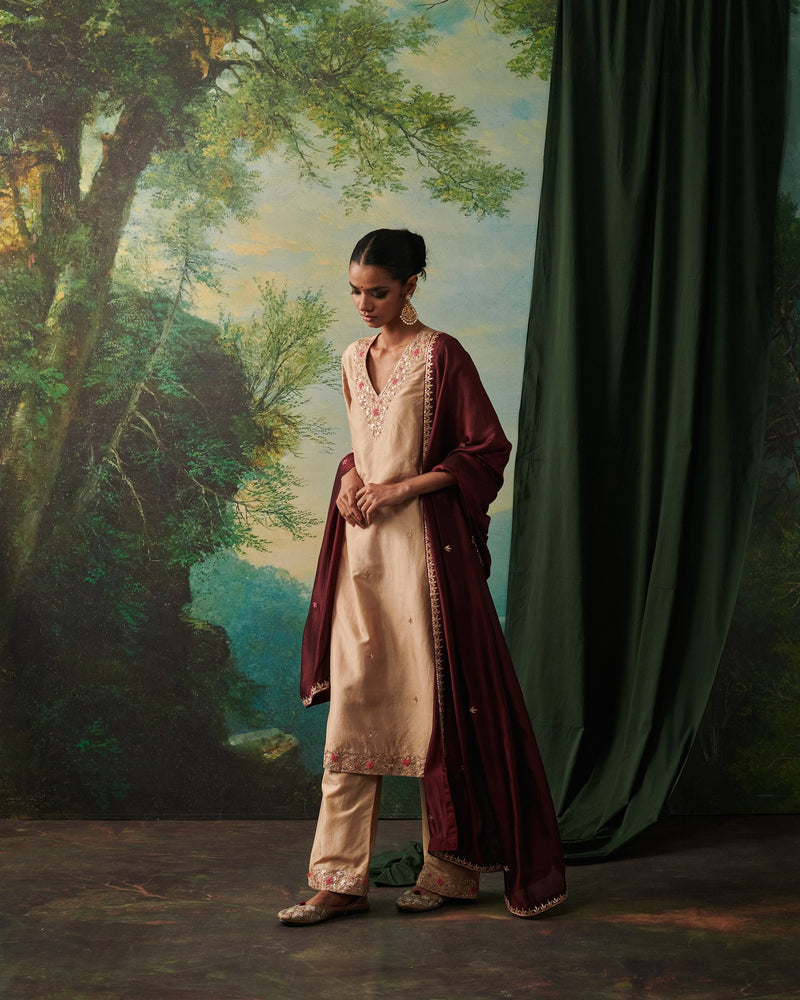
Keep reading
The journal →
Kids' Lohri & Makar Sankranti Outfit Ideas: Bonfires, Kites and Warm Layers
Handmade by karigars Made to your measurements Fit guarantee Ships worldwide As seen in GraziaElle Graduat...
5 September 2026
What Should Kids Wear to a School Annual Day or Function?
Handmade by karigars Made to your measurements Fit guarantee Ships worldwide As seen in GraziaElle Graduat...
5 September 2026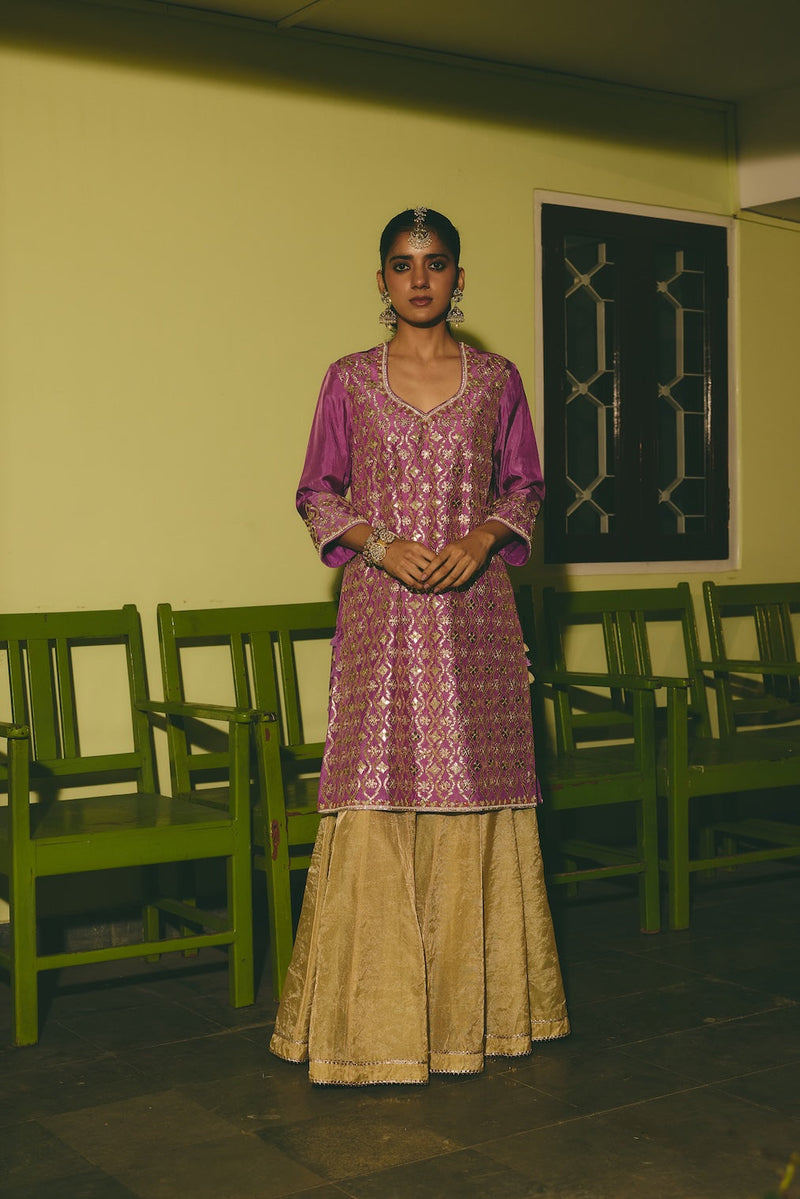
What to Wear to a Hyderabadi Wedding: A Guest's Guide
Handmade by karigars Made to your measurements Fit guarantee Ships worldwide As seen in GraziaElle Graduat...
5 September 2026