
Gangaur Outfit Ideas: What to Wear for Rajasthan's Festival of Gauri
For eighteen days after Holi, Rajasthan belongs to Gauri. Women carry earthen images of Isar and Gauri on their heads, sing at dusk, keep fasts, and paint their hands with mehendi. And then, on the final two days, Jaipur does something no other Indian city does: a royal procession of palanquins, elephants and folk performers leaves the City Palace and moves through the old city while the entire population watches from balconies. Gangaur is the most photogenic festival in the Rajasthani calendar, and it has very specific dress codes.
When Gangaur Falls
Gangaur begins the day after Holi and runs for eighteen days, culminating on Chaitra Shukla Tritiya — the third day of the bright fortnight of Chaitra. That places it in March or April each year. Gangaur 2027 falls on Friday, 9 April.
The festival is dedicated to Gauri, an aspect of Parvati, and to her union with Shiva — worshipped here as Isar. Married women observe it for the wellbeing of their husbands; unmarried women for a good one. The last two days are when the processions happen, in Jaipur, Udaipur, Jodhpur, Nathdwara and Bikaner.
The Rajasthani Dress Code Is Specific
Unlike most festivals, Gangaur has an actual traditional costume rather than a vague preference for "festive". The classic is a bright ghagra-choli or lehenga with an odhni in leheriya — the diagonal wave-dye of Rajasthan — or bandhani, worn with heavy silver or gold jewellery, lac bangles, and gota patti detailing throughout.
Colour is not optional. Rani pink, sindoori orange, deep red, parrot green, mustard and magenta are the palette, and the brighter and more saturated the better. This is emphatically not a quiet-luxury occasion.
A note of honesty: leheriya is a specific Rajasthani resist-dye we don't make. What we do work in is bandhani, its close cousin, and gota patti — the Jaipur craft that runs through the whole festival.
Gota Patti Is the Craft of This Festival
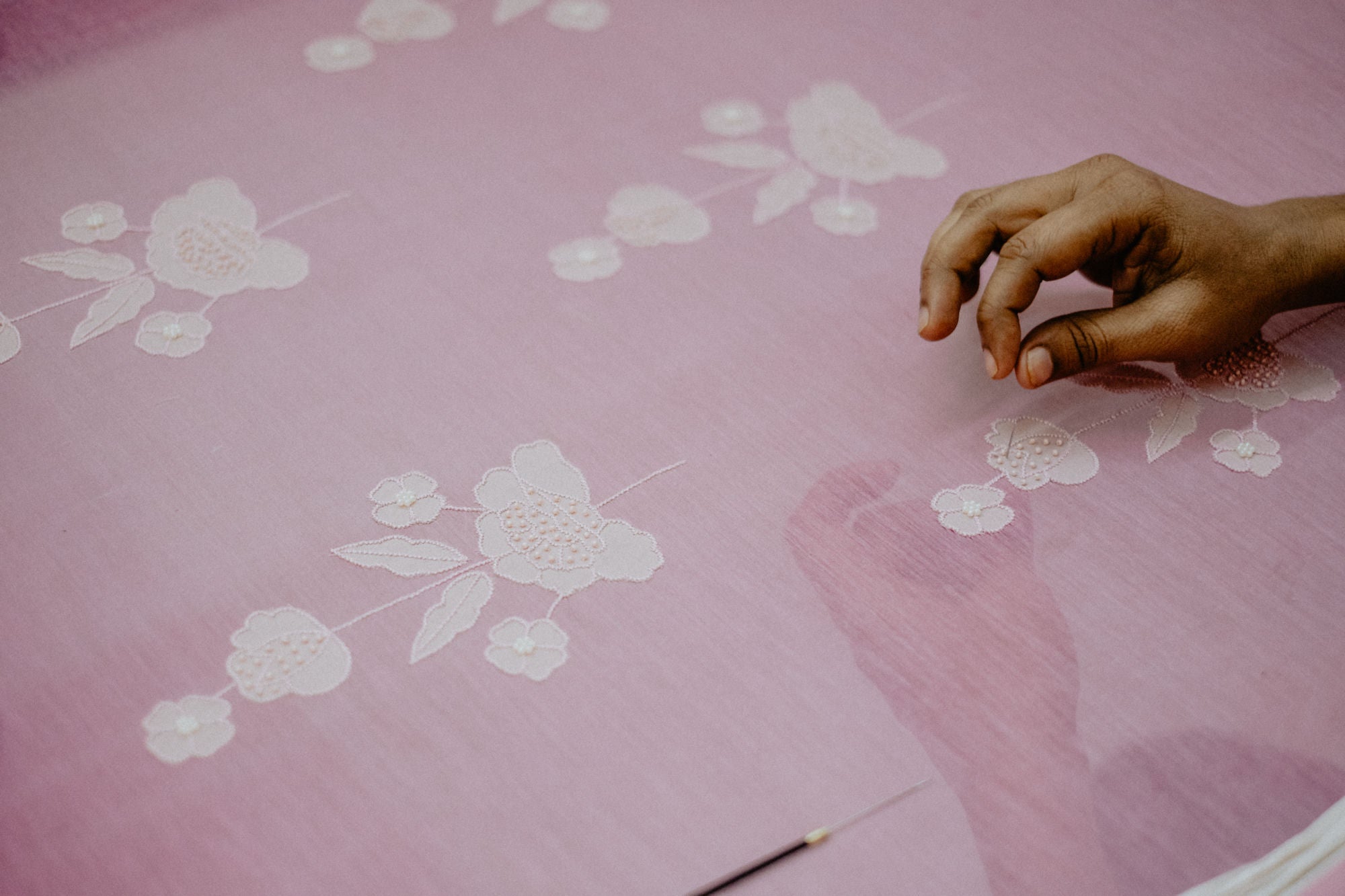
If there is one embroidery to wear for Gangaur, it's gota — flat gold and silver ribbon folded and appliquéd into leaves and flowers, and Jaipur's signature. It covers area rather than drawing lines, which means it reads brilliantly from a distance, which in turn means it reads brilliantly from a balcony above a procession.
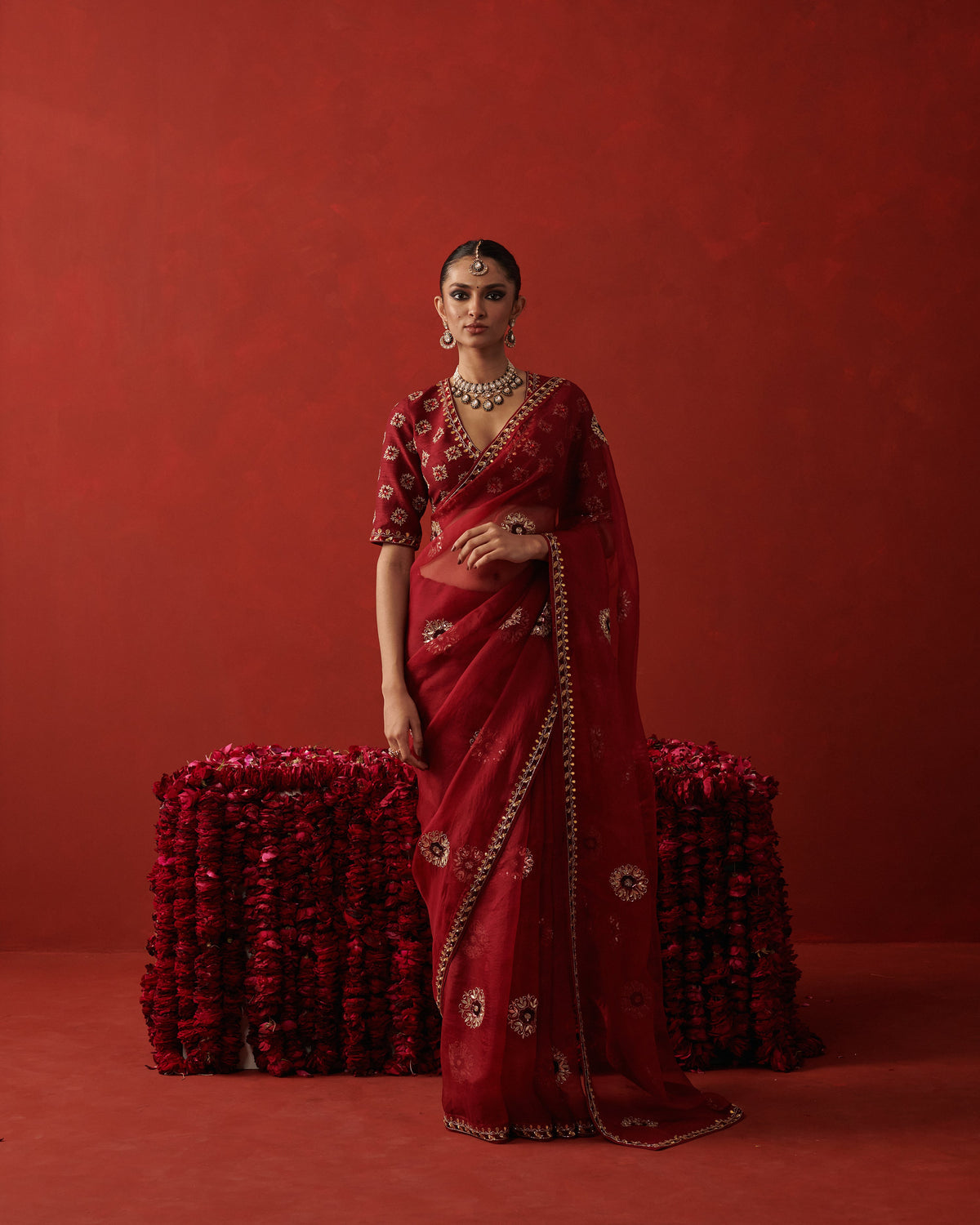
The Sakhi saree in deep sindoori red organza is hand-embroidered with sequin, cutdana and gota work drawn from old-school festive charm, with floral butis and a bold scalloped border echoing traditional bridal motifs — exactly the register of the festival. The Jazabah kurta with Saiyan pant in deep red silk carries tonal embroidery in a blend of traditional gota patti, marodi, resham and bead work.


For a lighter take, the Salima chiffon saree is edged with a delicate gota border in soft gold, with small hand-embroidered bootis scattered across the body — sparkle without weight, which matters a great deal in April. Our gota patti guide covers the craft itself.
Bandhani for the Odhni
The odhni is the piece that carries the whole look, and traditionally it's the brightest thing you own. The Gulnaaz bandhani silk dupatta — rich bandhani silk hand-embroidered with zardozi, sequins and cutdana, with bold paisley motifs anchoring the corners — is the closest thing in our collection to that role.
For a bandhani-led outfit rather than just a drape, the Abeer blouse in Bandhani Banarasi silk combines the traditional weave with hand-embroidered paisley and floral motifs, and the Suki blouse in silk bandhej does it in a soft pista green with gota, marodi and resham threadwork.

Dressing for the Jaipur Procession
If you're going to watch the procession, understand what you're signing up for. It leaves the Zanani Deodhi of the City Palace in the late afternoon and moves through Tripolia Bazaar and Chhoti Chaupar towards Talkatora, and the old city is packed solid for hours beforehand.
- It is April in Rajasthan. Genuinely hot, even late in the day. Cotton, Chanderi and light silk — not heavy brocade, however traditional.
- You will be standing for a long time, often on a rooftop or balcony, often without shade.
- Crowds are severe. Pin the odhni, keep the bag small and cross-body, and skip anything that trails.
- Flat footwear. The old city's streets are cobbled, uneven and crowded.
- Cover your head for both tradition and sun — the odhni does both jobs at once, which is presumably why it exists.
For the Home Puja and the Evening Songs
Most of Gangaur isn't the procession — it's eighteen evenings of women gathering to sing, decorate the images and offer water and sweets. Those evenings call for something far easier: a bright Chanderi or cotton kurta set you can sit on the floor in, with a gota-edged dupatta doing the festive work.
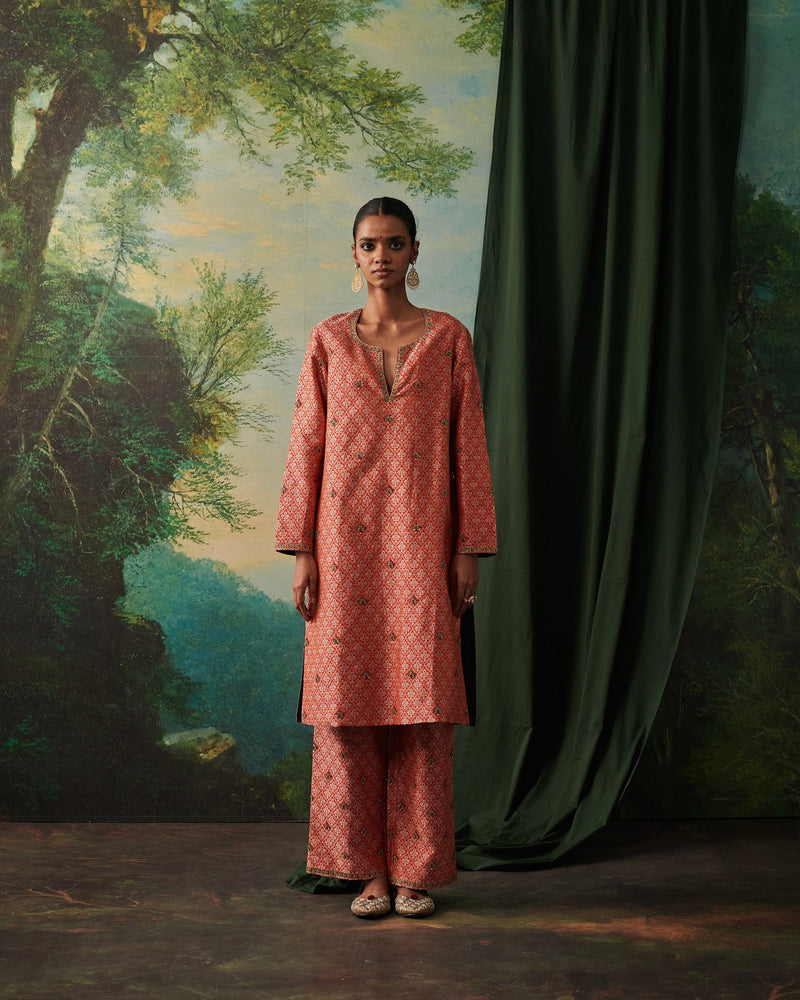
The Haniya magenta Chanderi kurta in a classic A-line cut with hand-embroidered floral motifs in gold thread, sequins and multicolour detailing, and the Sana kurta with Ria pant — radiant mustard yellow with a contrasting deep pink pant — both sit at the right level of everyday-festive.
Mehendi, Bangles and the Rest
Gangaur is a mehendi festival — hands and feet are painted through the fortnight, and it's as central as the clothes. Lac bangles are the traditional accompaniment and are made and sized to your wrist in Jaipur's Tripolia Bazaar, which our Jaipur shopping guide covers. Silver rather than gold is the more traditional choice for the folk register of this festival, though both are worn.
Gota Patti and Bandhani, Made in Jaipur
Every piece is hand-embroidered by karigars in the city where Gangaur is celebrated best, and made to your measurements over 4–5 weeks. Explore the full collection.
Shop the CollectionFrequently Asked Questions
When is Gangaur celebrated?
Gangaur begins the day after Holi and runs for eighteen days, ending on Chaitra Shukla Tritiya — which places it in March or April. Gangaur 2027 falls on Friday, 9 April. The processions take place on the final two days.
What do women wear for Gangaur?
Traditionally a bright ghagra-choli or lehenga with a leheriya or bandhani odhni, gota patti detailing, heavy silver or gold jewellery and lac bangles. The palette is deliberately saturated — rani pink, sindoori orange, deep red, parrot green, mustard and magenta.
What is the difference between leheriya and bandhani?
Both are Rajasthani resist-dye traditions. Leheriya is made by rolling the fabric diagonally and binding it, producing the characteristic wave or stripe pattern. Bandhani is made by tying thousands of tiny points before dyeing, producing dotted patterns and motifs.
What should I wear to watch the Jaipur Gangaur procession?
Cotton, Chanderi or light silk in a bright colour — it is April in Rajasthan and genuinely hot, even in the late afternoon. Wear flat footwear for cobbled old-city streets, keep bags small and cross-body for the crowds, and use the odhni to cover your head for both tradition and sun.
Made to order in 4–5 weeks
Have an event date? We’ll tell you exactly when to order by.
We take a limited number of orders each month — secure your slot early.
Not sure where to start?
Tell us what you're dressing for and we'll help you choose — fabric, fit, colour, and timeline — over WhatsApp.
Your Cart
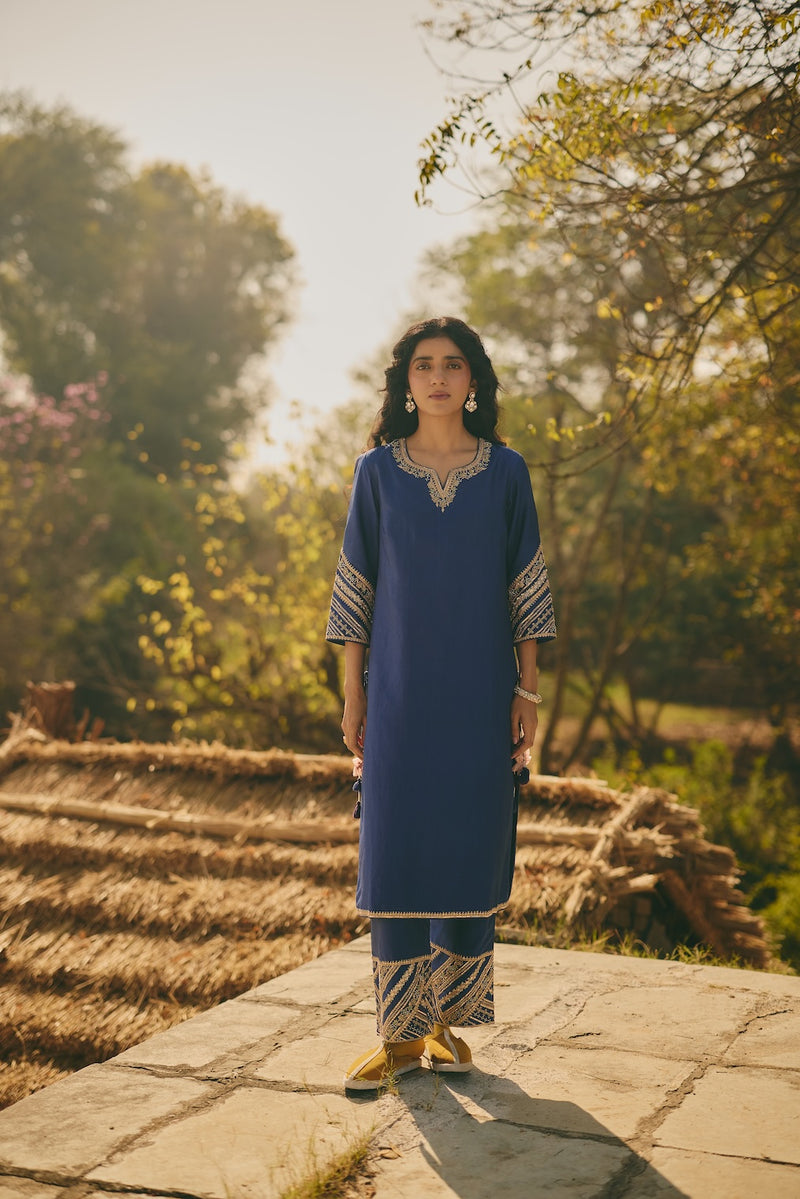
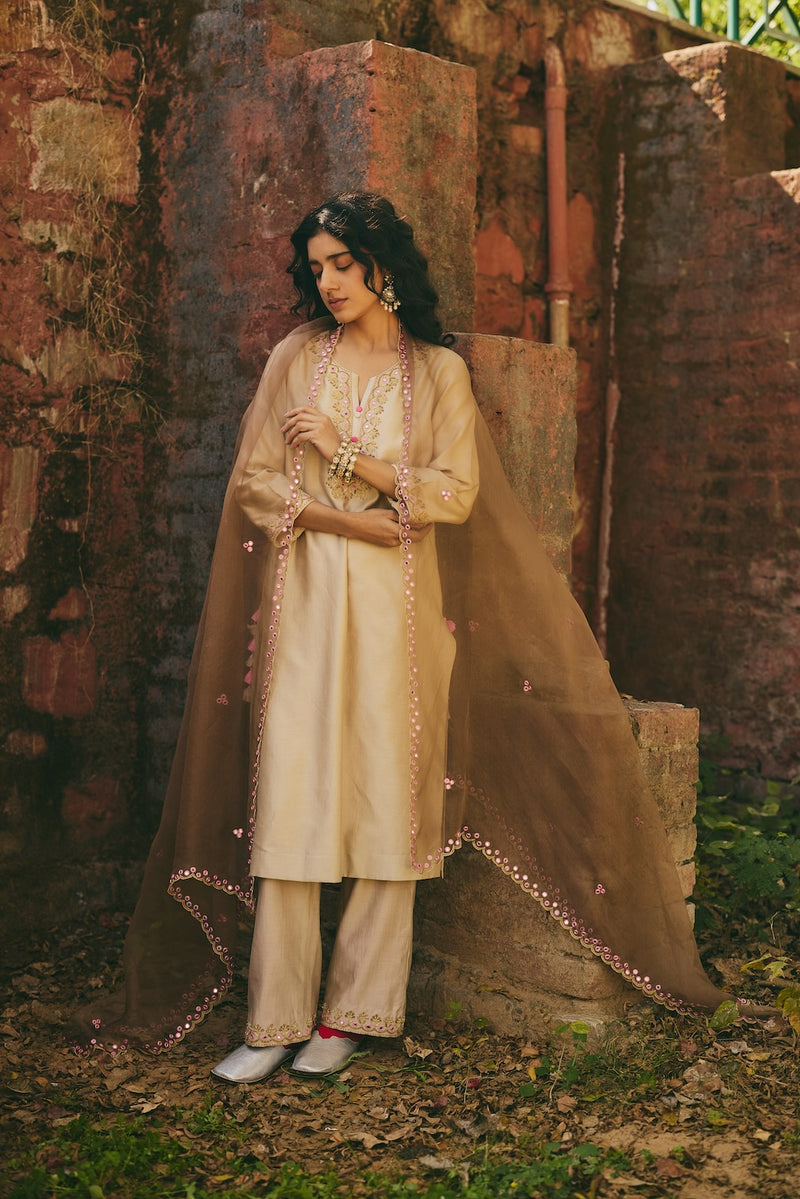
Pieces from this story
All pieces →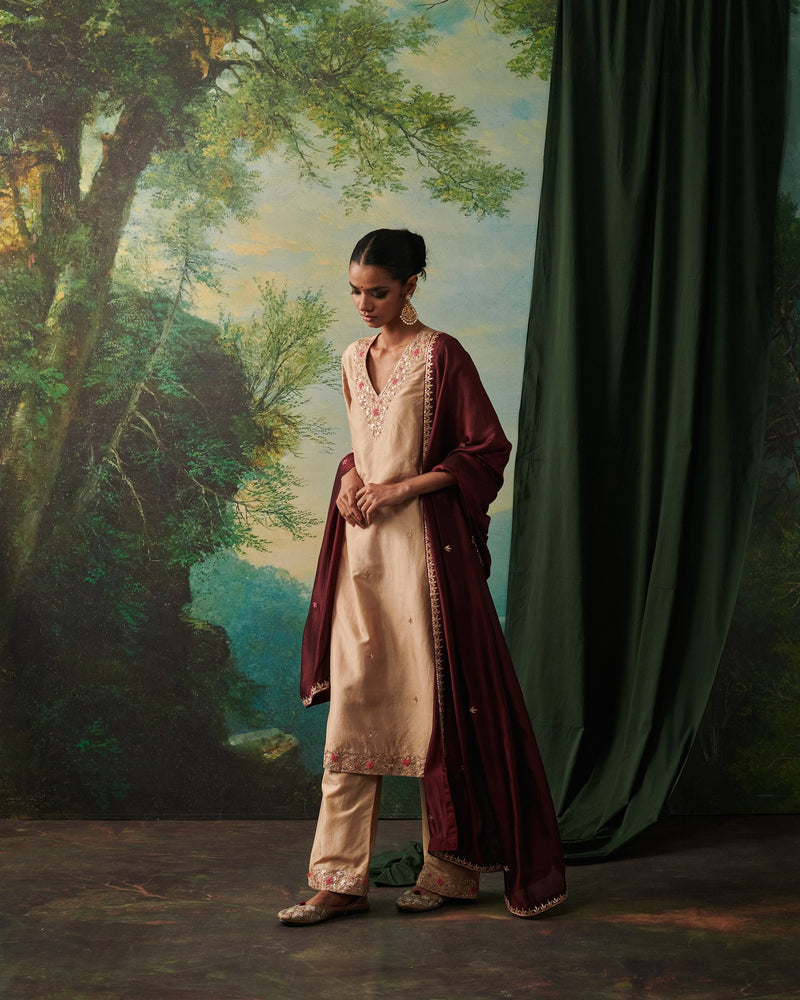
Keep reading
The journal →
Kids at a Destination Wedding: What to Pack and How to Survive It
Handmade by karigars Made to your measurements Fit guarantee Ships worldwide As seen in GraziaElle Graduat...
22 August 2026
A Baby's First Festival: How to Dress an Infant for Diwali and Family Functions
Handmade by karigars Made to your measurements Fit guarantee Ships worldwide As seen in GraziaElle Graduat...
22 August 2026
Dabka, Nakshi, Cutdana: A Glossary of Hand Embroidery Materials
Handmade by karigars Made to your measurements Fit guarantee Ships worldwide As seen in GraziaElle Graduat...
22 August 2026