
Kamarbandh & Waist Belts: The Complete Guide to Cinching Indian Outfits
The kamarbandh — the ornamental waist band worn over Indian garments — is one of the oldest pieces of jewellery on the subcontinent, seen on temple sculptures centuries before it appeared on runways. Today it has returned in two forms: the traditional gold or silver waist chain over a saree, and the modern belt cinching everything from drapes to shirt dresses. Here's how to wear both well.
A Little History
Known as kamarbandh in the north, oddiyanam in Tamil, and vaddanam in Telugu, the waist ornament was traditionally part of a bride's solah shringar — the sixteen adornments. Beyond beauty, it had a job: holding heavy drapes in place through long ceremonies. That's still the secret of why it works — a defined waist gives even the most flowing silhouette structure and intention.
Over a Saree
The saree is the kamarbandh's natural home. Wear it over the pleats, sitting at the natural waist, so it anchors the drape and lets the palla flow freely. A few rules of proportion:
- Heavy saree, slim belt — if the drape is richly embroidered, choose a slim chain or a narrow fabric belt so the two don't compete.
- Plain saree, statement belt — a broad oddiyanam-style piece or an embellished belt can be the hero of an unadorned silk or chiffon drape.
- Match the metal to the border — gold-toned belts with gold zari, silver with silver. Mixed metals read as accidental.
Over Draped Skirts and Contemporary Sets
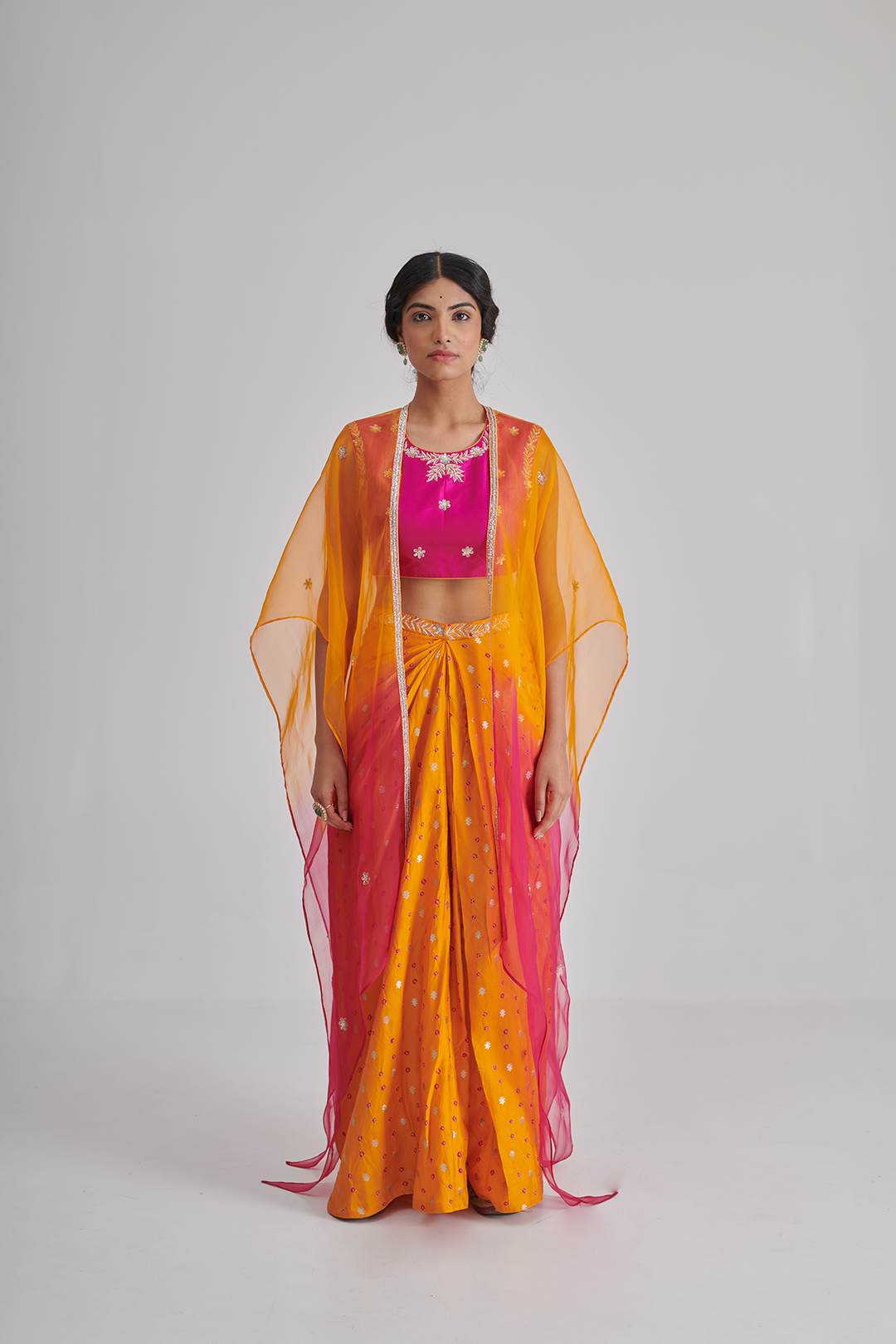
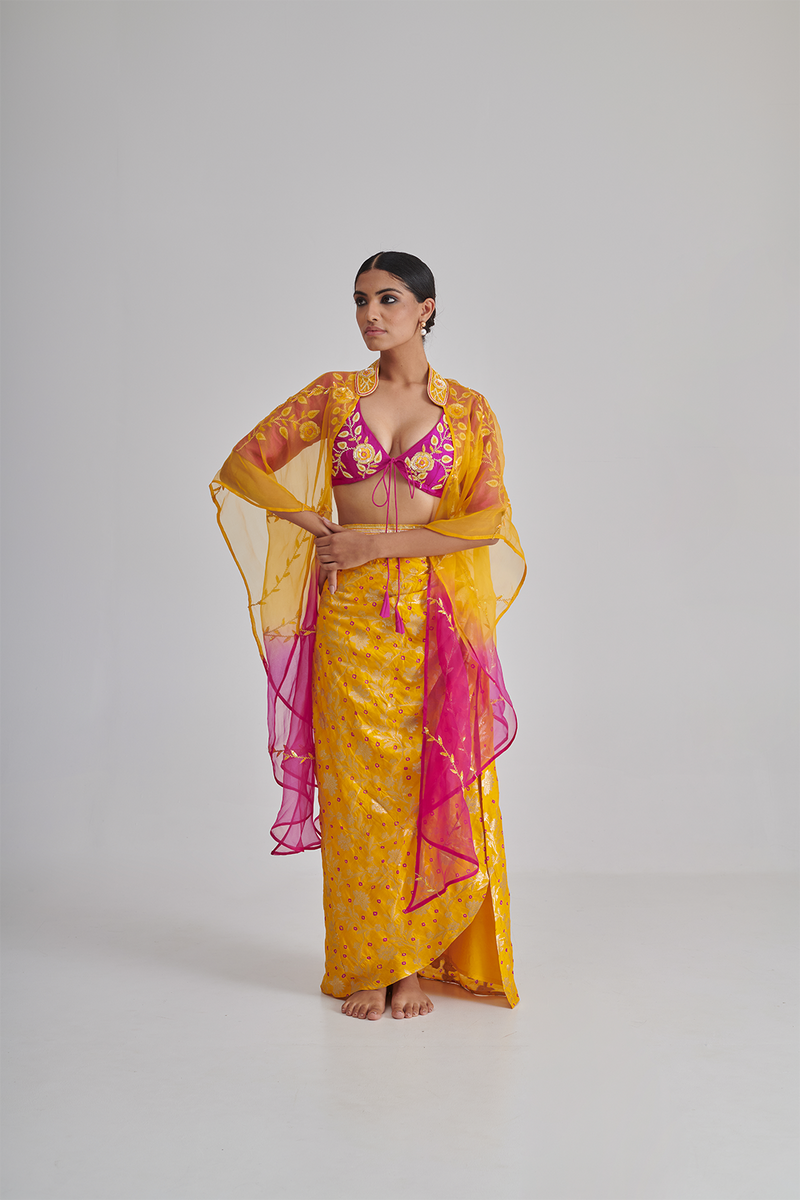
Contemporary silhouettes with a defined waist are where belts feel most modern. The Rumi, Akira & Vihana ensemble — a rani pink dupion silk blouse with an orange ombre bandhani brocade draped skirt and organza cape — shows how powerful a clearly marked waistline is in Indian wear; a slim metallic kamarbandh over an ensemble like this sharpens the whole line further.

The Belted Dress: Everyday Cinching
The easiest way into waist-defined dressing is a dress designed for it. The Kashmira dress in soft printed cotton with Kashmiri-inspired paisley cinches its shirt-style bodice with a detachable tie belt above a voluminous gathered flare. The Maati dress in handwoven khadi cotton uses a wide self-tie belt for a clean, structured finish, while the Saira dress — deep maroon with ivory floral block prints — has a self-fabric tie-up belt for easy waist definition.


The trick with all of them: the belt is optional by design. Cinched, they're polished enough for lunches and office days; left open, they're relaxed and easy. The Elaaya dress in pistachio chanderi cotton makes the point explicitly — its detachable belt lets you choose the mood.
Getting the Placement Right
- Natural waist, always — the narrowest point of your torso, not the hips. A kamarbandh worn too low loses its structure.
- Snug, not tight — it should hold the garment, not dig in. You'll be wearing it through a long function.
- One statement at a time — a bold waist piece pairs best with lighter neck jewellery; let the waist or the neckline speak, not both.
- Try it before the event — sit, walk, and eat wearing it once. A belt that only works standing up isn't a belt that works.
Silhouettes Worth Cinching
Every Rashika Mittal piece is handcrafted by karigars in Jaipur and made to order. Explore our dresses, sarees, and lehengas.
Shop Handcrafted PiecesFrequently Asked Questions
What is a kamarbandh?
A kamarbandh is an ornamental band or chain worn around the waist over Indian garments — known as oddiyanam in Tamil and vaddanam in Telugu. Traditionally part of a bride's solah shringar, it was both jewellery and function, holding heavy drapes in place. Today it's worn over sarees, lehengas, and contemporary ensembles to define the waist.
How do I wear a belt with a saree?
Wear it at your natural waist, over the pleats, so it anchors the drape while the palla flows freely. Pair a slim belt with a heavily embroidered saree and a statement belt with a plain one, and match the belt's metal tone to the saree's border — gold with gold zari, silver with silver.
Does a waist belt suit every body type?
Yes — the key is width and placement, not body type. Slimmer chains flatter petite frames, wider belts balance taller ones, and everyone should wear the piece at the natural waist, snug but never tight. If a wide belt feels overwhelming, a delicate kamarbandh chain gives the same definition with a lighter touch.
Made to order in 4–5 weeks
Have an event date? We’ll tell you exactly when to order by.
We take a limited number of orders each month — secure your slot early.
Not sure where to start?
Tell us what you're dressing for and we'll help you choose — fabric, fit, colour, and timeline — over WhatsApp.
Your Cart
Pieces from this story
All pieces →
Keep reading
The journal →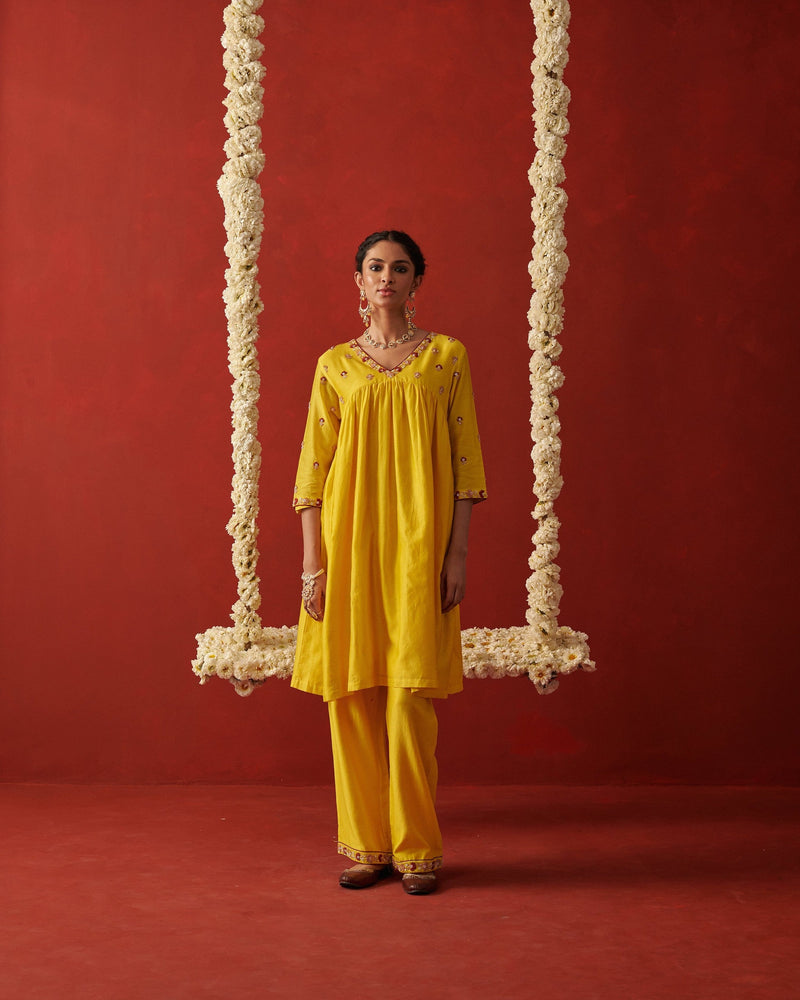
Dholki Night Outfit Ideas: What to Wear to the Ladies' Dhol
Handmade by karigars Made to your measurements Fit guarantee Ships worldwide As seen in GraziaElle Graduat...
27 July 2026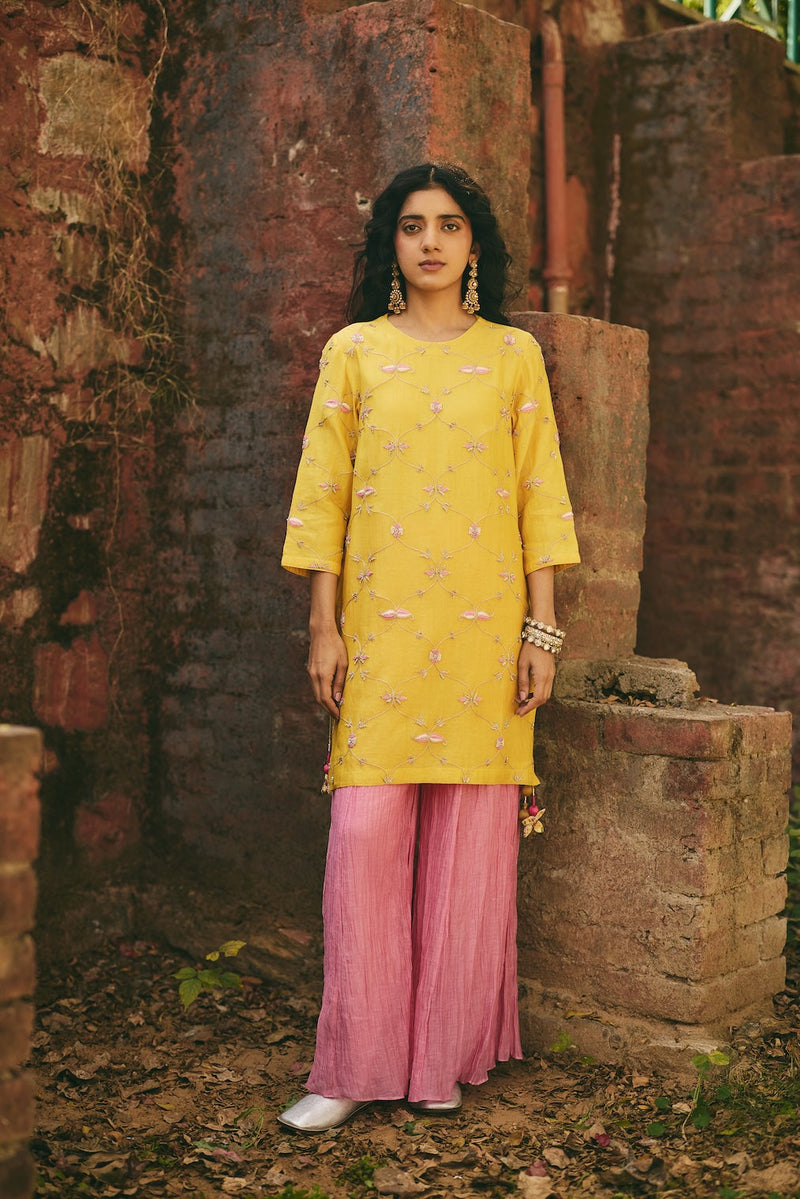
Mayra & Bhaat Outfit Ideas: Dressing for the Maternal Gift Ceremony
Handmade by karigars Made to your measurements Fit guarantee Ships worldwide As seen in GraziaElle Graduat...
27 July 2026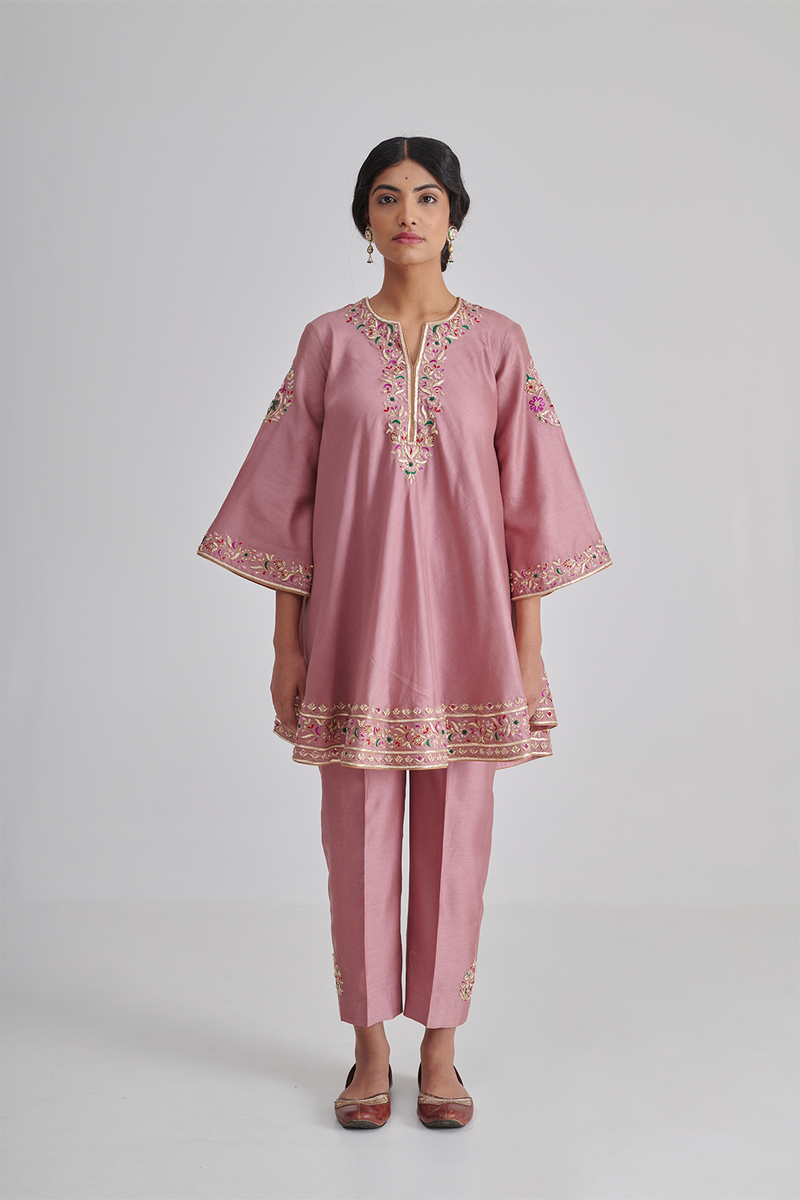
Pag Phera Outfit Ideas: What to Wear for the Bride's Homecoming
Handmade by karigars Made to your measurements Fit guarantee Ships worldwide As seen in GraziaElle Graduat...
27 July 2026