
Maang Tikka & Indian Headpiece Styling Guide: Types, Occasions & How to Wear
The maang tikka — that jewelled pendant that rests at your hairline's centre parting — is among the most beautiful and meaningful pieces of Indian jewellery. It draws the eye upward, frames the face, and carries centuries of tradition. Whether you're a bride selecting your wedding set or simply want to add elegance to a festive look, understanding headpiece options helps you choose and style with confidence.
Types of Indian Headpieces
Maang Tikka
The classic pendant that hangs from a hook or chain at the centre parting. The pendant (tikka) rests on the forehead, typically at the hairline or slightly below.
Variations:
- Single pendant: One ornament hanging from the central chain — elegant and versatile
- Tiered tikka: Multiple hanging elements creating length and drama
- Borla/Rakhdi: A round, cushioned tikka common in Rajasthani tradition
Matha Patti
A more elaborate headpiece where chains extend across the forehead and often to the temples. The central pendant is larger, and the side chains add drama. Traditionally bridal but now worn for statement occasions.
Sheesh Patti / Maang Patti
A full headpiece that covers more of the head — chains that drape across the hairline with ornaments at intervals. More dramatic than a simple tikka, often worn for sangeets and receptions.
Passa / Jhoomar
A side ornament that sits at one temple, usually the left. The passa fans out like a feather or crescent. Mughal-inspired, incredibly regal, and a favourite for brides who want something different from the classic centre tikka.
Shringar Patti
A forehead ornament without the central pendant — chains or bands that cross the forehead horizontally. Common in South Indian bridal traditions.
Choosing by Face Shape
Oval face: Lucky you — most styles work. Round tikkas, pointed tikkas, elaborate matha pattis all complement oval proportions.
Round face: Choose elongated designs — teardrop tikkas, pointed pendants, vertical elements that lengthen the face. Avoid very round, heavy designs that emphasise width.
Long/oblong face: Wider designs work well — round tikkas, horizontal matha pattis, borlas. These add width and balance length.
Square face: Softer, curved designs — oval tikkas, delicate drops, curved matha pattis. Avoid very geometric or angular pieces that emphasise jawline angles.
Heart-shaped face: Medium-sized tikkas work best — not too large (overwhelming at the narrower forehead) nor too small (looks lost).
Choosing by Occasion
Wedding (bride): This is your moment for drama. A matha patti or elaborate tikka with matching passa is traditional. Choose pieces that complement your nath (nose ring) and earrings — often sold as sets.
Wedding (guest): A simple maang tikka adds elegance without competing with the bride. Keep it refined — this isn't your day for the most elaborate piece.
Sangeet/reception: More freedom for drama — sheesh pattis, side passas, and statement tikkas are welcome here.
Festive occasions: A delicate tikka or small borla elevates festive outfits appropriately. Match the metal (gold/silver) to your other jewellery.
Casual elegance: Minimalist tikkas — a simple chain with a small pendant — work for religious occasions, intimate gatherings, and elevated everyday looks.
Pairing Headpieces with Outfits
Your headpiece should complement your outfit's neckline and weight:
Heavy embroidered outfits: A substantial tikka or matha patti balances the visual weight below. A too-delicate tikka looks lost against heavy zardozi or elaborate lehengas.


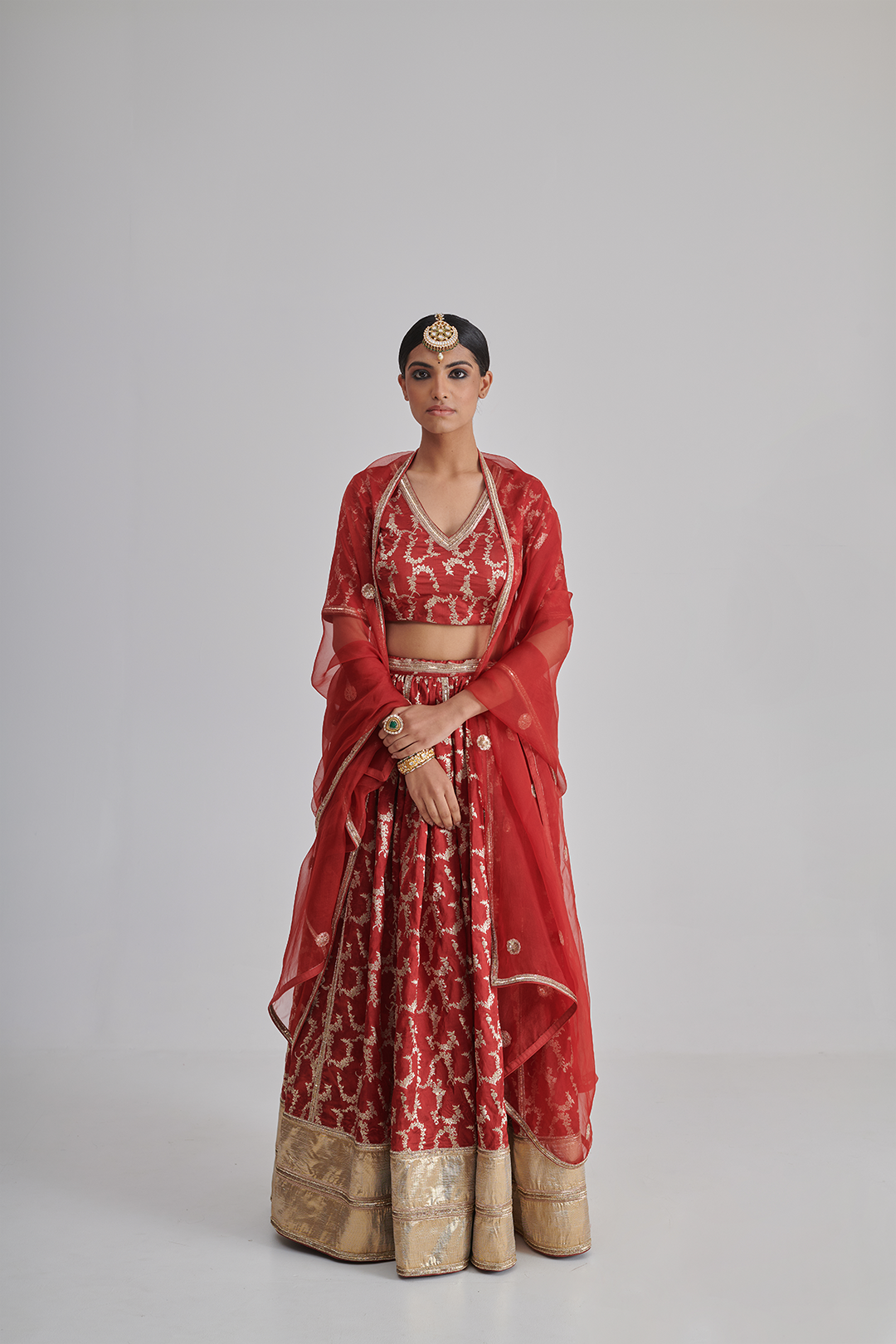
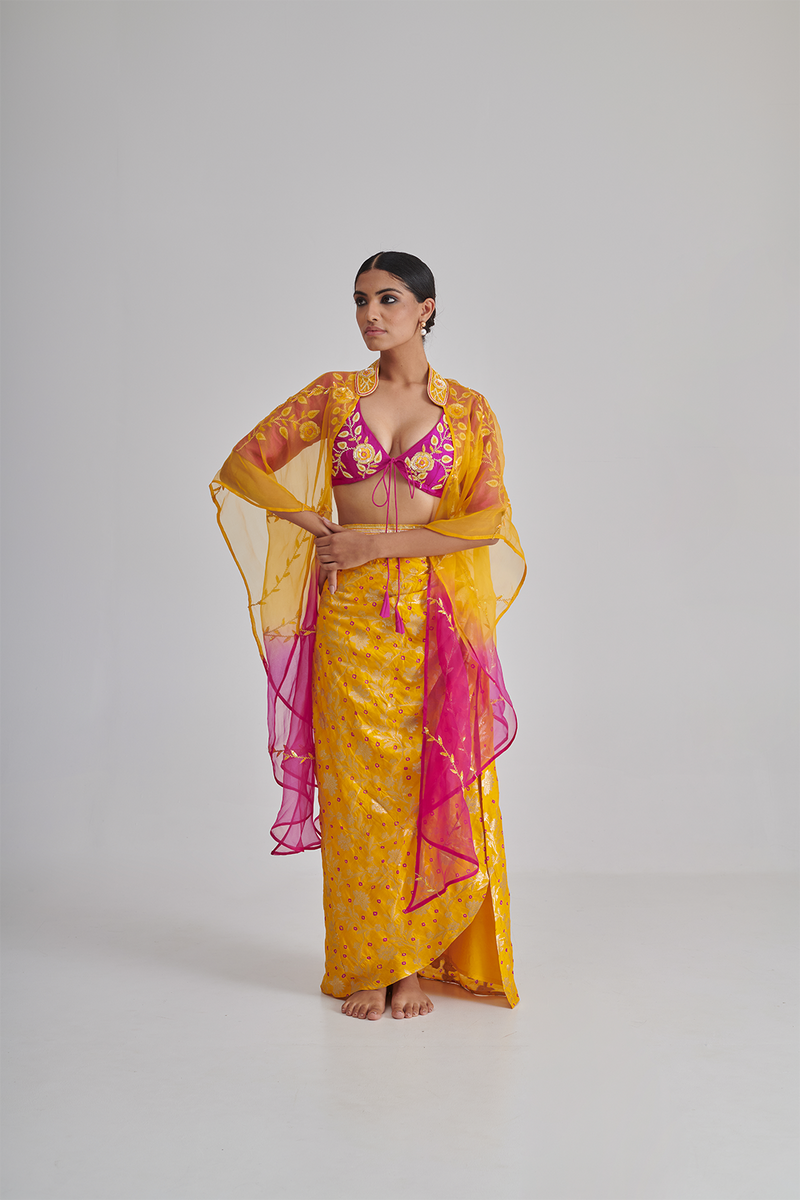
Elaborate pieces like the Rehmat & Vasl lehenga or Rumi, Akira & Vihana cape ensemble call for equally substantial headpieces — a delicate chain tikka would disappear against such richness.
Simple, elegant outfits: A refined tikka becomes the statement piece. The simplicity of your outfit lets the headpiece shine.


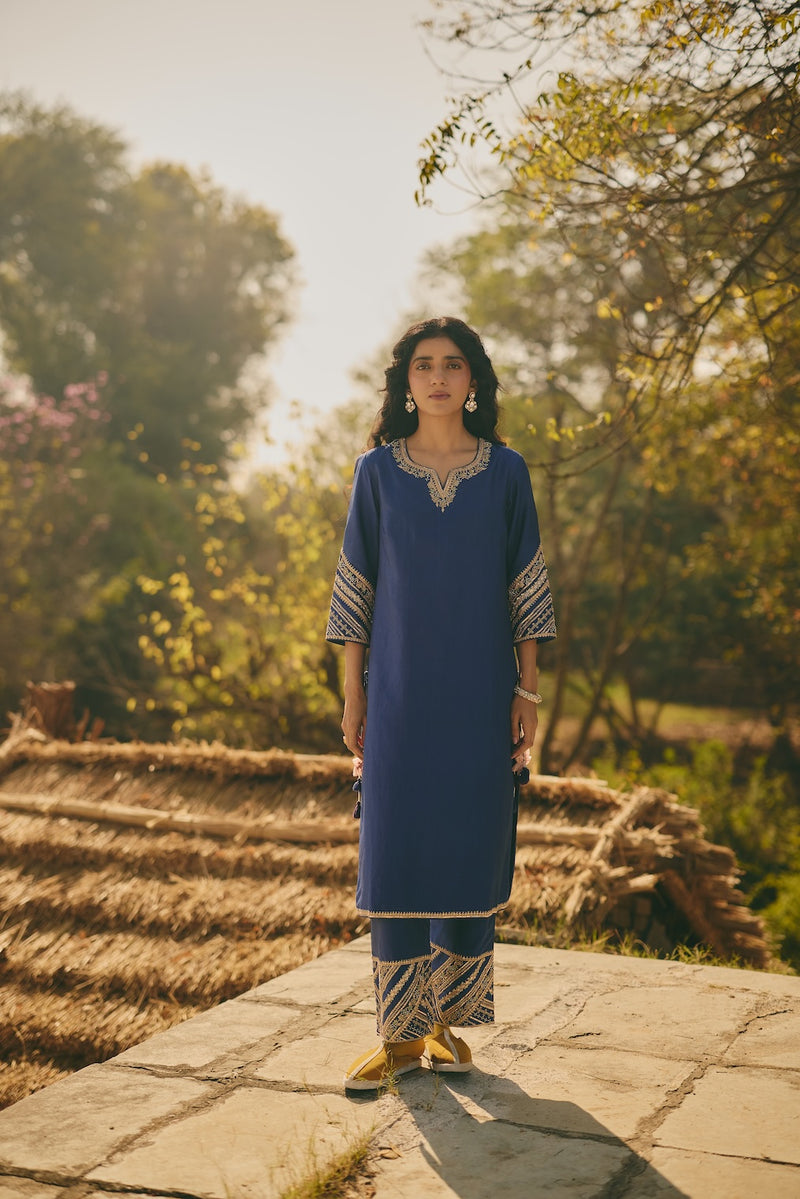
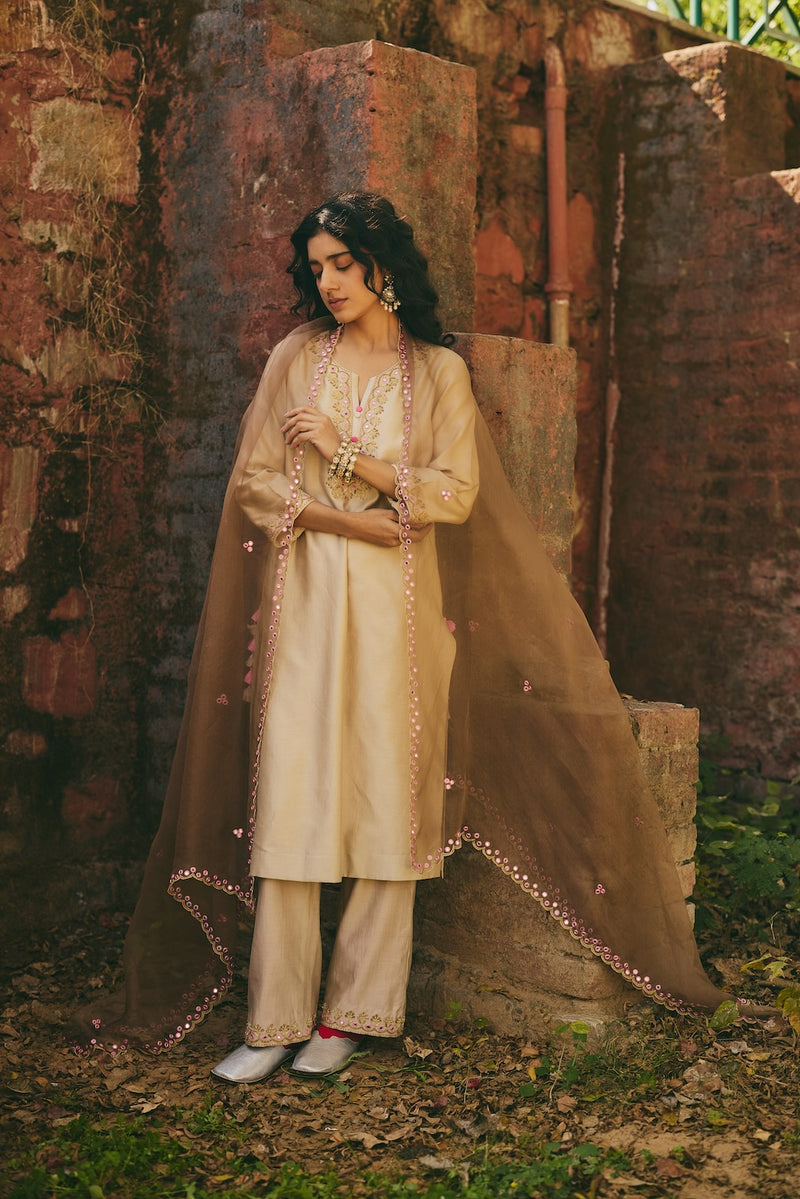
With simpler pieces like the Sunheri & Sahana kurta set or the Sajni saree, a maang tikka becomes the focal point of your styling.
Off-centre dupattas: If you're draping your dupatta to one side, consider a passa on the exposed side rather than a centre tikka, which might be hidden.
Styling Tips for Secure Wear
Hair matters: Tikkas hook onto your centre parting and need hair to grip. Very straight, silky hair can cause sliding — add texture with a light spray or choose tikkas with secure hook mechanisms.
Bobby pin backup: Always have pins ready to secure the chain at your hairline. This prevents shifting throughout the event.
Test your drape: Before the event, put on your tikka and move around. Bend over, turn your head, dance a bit. Make sure it stays put. Adjust placement until it's secure.
Middle partition required: Traditional tikkas need a centre parting. Side partings don't accommodate the standard hook mechanism — choose a passa or side ornament instead, or temporarily switch to a centre part.
Metal and Stone Choices
Gold (or gold-plated): The classic choice. Works with warm skin tones and pairs with traditional Indian jewellery.
Free Download
Get Our Measurement Guide
Step-by-step instructions with photos for perfect custom fit.
Download Free GuideSilver/oxidised: Boho, tribal, or Indo-western styling. Pairs beautifully with minimal, earthy outfits and cotton sarees.
Kundan: Uncut diamonds or glass set in gold foil — the traditional bridal choice. Regal, heavy, and statement-making.
Polki: Uncut, unpolished diamonds in gold. More rustic-luxurious than cut diamonds, deeply traditional.
Pearl: Softer, romantic look. Particularly beautiful for receptions, sangeets, and non-bridal occasions.
Meenakari: Enamel work on metal — coloured and intricate. Perfect for Rajasthani-inspired looks and adding colour to your headpiece.
Headpiece + Other Jewellery
Balance is key:
With statement earrings: If your jhumkas or chandbalis are large and elaborate, choose a more delicate tikka. Both competing for attention creates visual noise.
With statement necklace: A substantial tikka balances a heavy necklace — but ensure they're in the same family (both kundan, both polki, both matching metal).
The rule of three: Choose maximum three statement pieces — headpiece counts as one. If tikka is your statement, keep earrings and necklace simpler, or vice versa.
Hair Styling for Headpieces
Centre parting: Essential for traditional tikkas. Ensure the parting is clean and defined.
Low bun: The classic pairing. A sleek low bun lets the tikka be the focus without hair competing for attention.
Braided styles: A side braid or back braid works beautifully — the tikka frames the face while the braid adds texture at the back.
Open hair: Possible with tikkas, but ensure the chain is secured well. Wavy or curly open hair with a delicate tikka is romantic and beautiful.
Gajra: Fresh jasmine flowers (gajra) in your hair complements tikkas beautifully — traditional pairing for religious occasions and weddings.
Common Mistakes to Avoid
- Too heavy for the occasion: An elaborate matha patti at a casual Diwali dinner looks overdressed.
- Competing with the bride: At someone else's wedding, keep your headpiece understated.
- Wrong placement: The tikka should rest at the hairline, not hanging too low on the forehead (that looks costume-y).
- Ignoring proportion: Very small tikkas on large faces look lost; very large tikkas on petite faces overwhelm.
- Metal clash: Gold tikka with silver earrings creates visual discord. Keep metals consistent.
Frequently Asked Questions
Can I wear a maang tikka without a centre parting?
Traditional tikkas require a centre parting to hook onto. With side parts, consider a passa (side ornament) or temporarily switch your parting for the occasion.
Is a tikka only for brides?
Not at all. Delicate tikkas are appropriate for wedding guests, festive occasions, and even elevated daily wear. The style and weight vary — brides wear elaborate pieces, but everyone can enjoy the elegance.
How do I keep my tikka from sliding?
Hook it securely onto hair (not just resting), use bobby pins for backup, and add texture to hair with light spray if it's very silky. Test movement before the event.
Should my tikka match my earrings?
Ideally, yes — at least in metal and style family. A kundan tikka pairs with kundan earrings; a gold tikka pairs with gold jewellery. Matching sets ensure harmony.
Explore: sarees · lehengas · kurta sets · shop all
Ready to Order Custom?
WhatsApp us at +91 70423 11214 with what you're looking for. We'll guide you through measurements, customizations, and timeline.
Most pieces ready in 4-5 weeks. Bridal in 6-8 weeks.
Made to order in 4–5 weeks
Have an event date? We’ll tell you exactly when to order by.
We take a limited number of orders each month — secure your slot early.
Not sure where to start?
Tell us what you're dressing for and we'll help you choose — fabric, fit, colour, and timeline — over WhatsApp.
Your Cart
Pieces from this story
All pieces →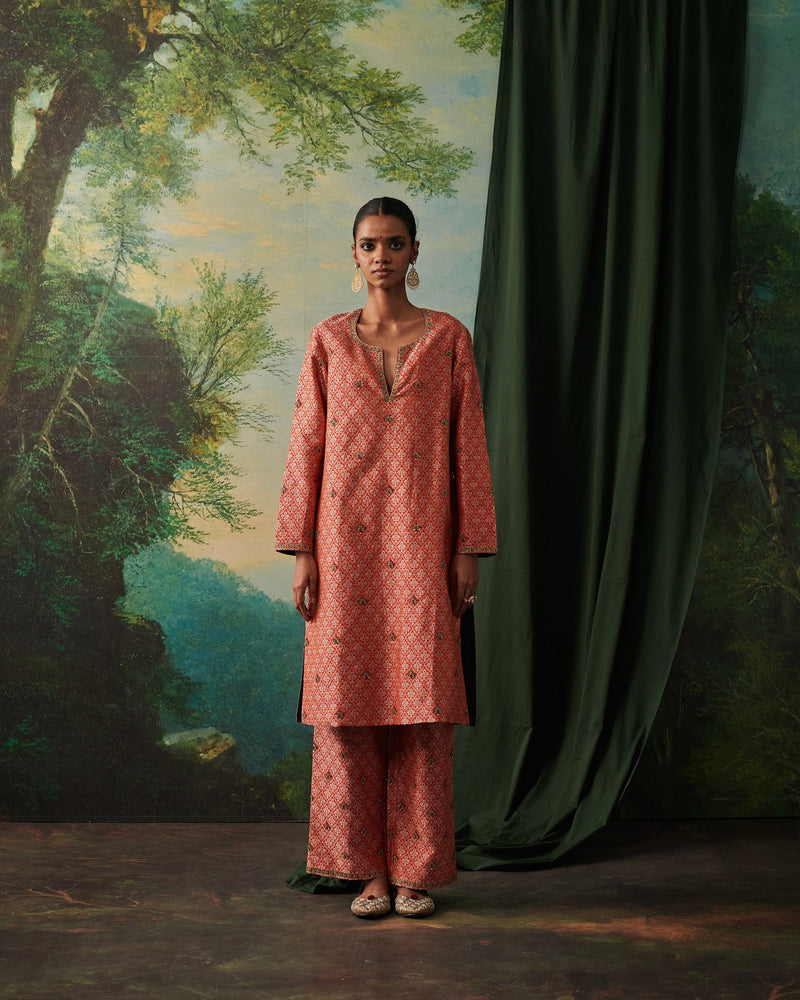
Keep reading
The journal →
Dholki Night Outfit Ideas: What to Wear to the Ladies' Dhol
Handmade by karigars Made to your measurements Fit guarantee Ships worldwide As seen in GraziaElle Graduat...
27 July 2026
Mayra & Bhaat Outfit Ideas: Dressing for the Maternal Gift Ceremony
Handmade by karigars Made to your measurements Fit guarantee Ships worldwide As seen in GraziaElle Graduat...
27 July 2026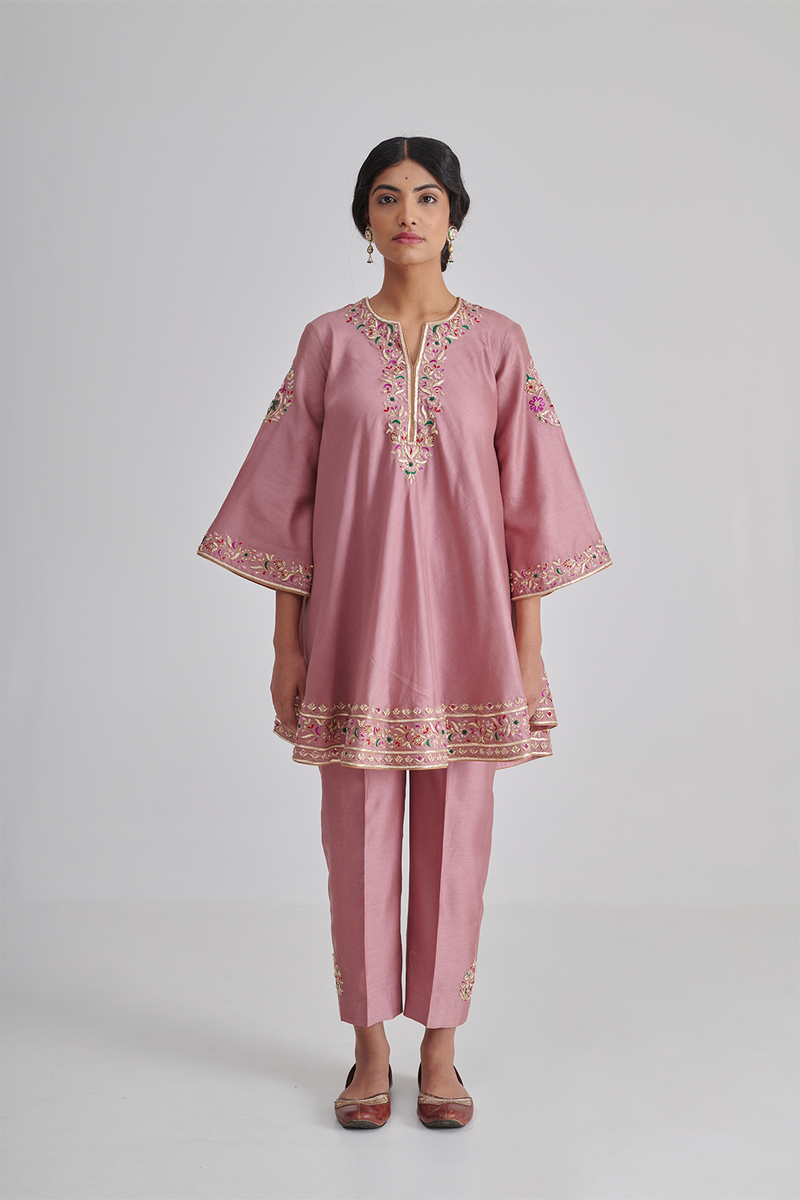
Pag Phera Outfit Ideas: What to Wear for the Bride's Homecoming
Handmade by karigars Made to your measurements Fit guarantee Ships worldwide As seen in GraziaElle Graduat...
27 July 2026