
Real Zari vs Imitation: How to Tell the Difference When You Buy
Zari — the gleaming metallic thread woven and embroidered through India's finest textiles — spans an enormous range of quality, from real silver gilded with gold to plastic-coated polyester. Both shine in the shop; only one becomes an heirloom. If you're investing in a Banarasi saree or a zari-embroidered piece, here's how to tell what you're actually buying.
The Three Grades of Zari
- Real zari — a silk core wound with fine silver wire, gilded with gold. Rare, precious, and found in true heirloom pieces.
- Tested zari — a copper or blended-metal wire with silver-and-gold electroplating. The most common quality tier in good handloom work today; beautiful, durable, and far more affordable than real zari.
- Imitation (plastic) zari — metallic-coated polyester film. Bright and cheap, but it dulls, frays, and can't be restored.
The Sheen Test: Warm Glow vs Hard Glitter
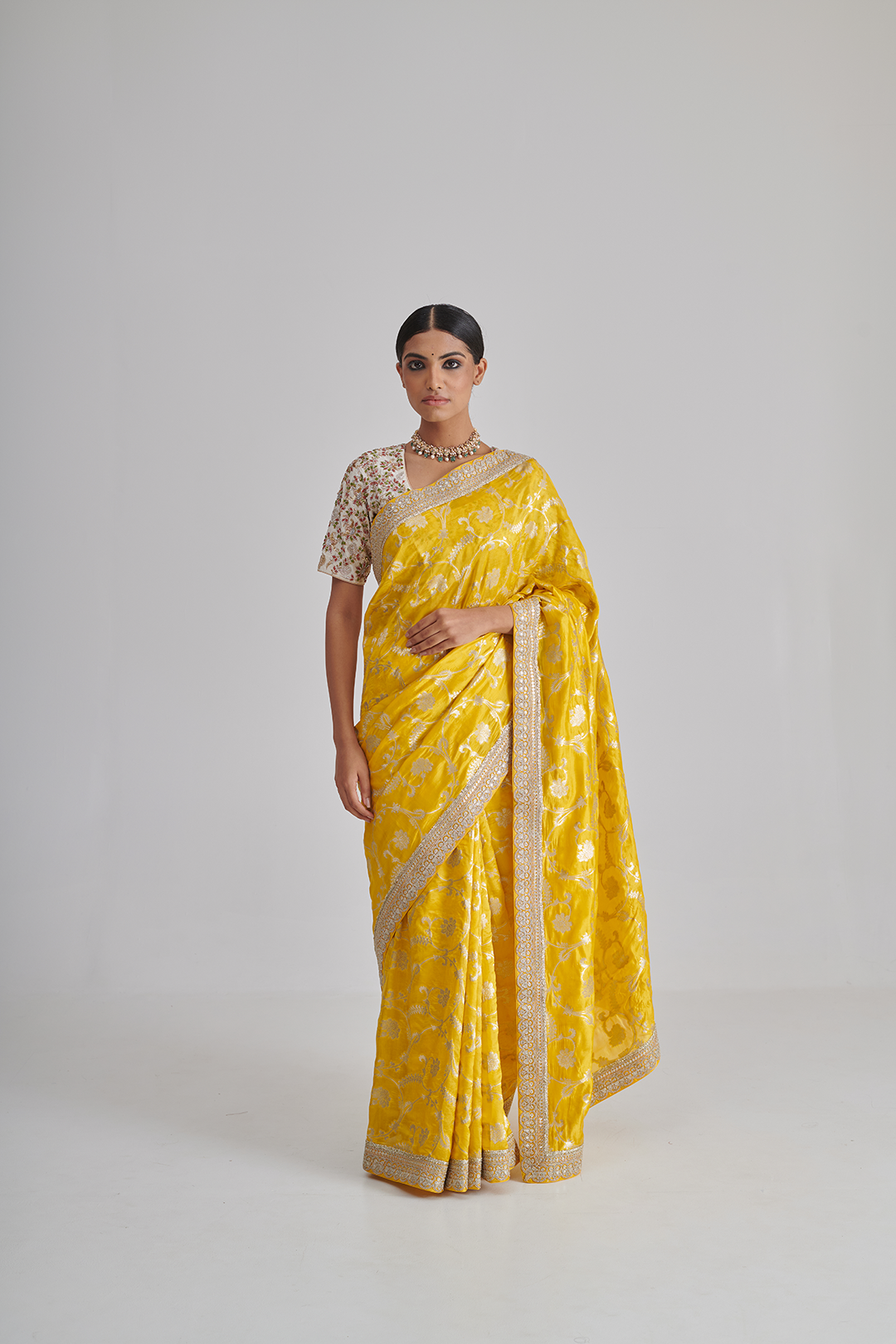
Real and tested zari have a soft, warm, slightly muted lustre that deepens beautifully with age. Imitation zari has a harder, brighter, almost mirror-like glitter that looks great new and dull within a few years. Hold the fabric at an angle in daylight: genuine metallic thread glows; plastic thread flashes. You can see that warm, real-thread glow in the silver-woven Phalgun Banarasi saree and the gold-thread motifs of the Rahi Banarasi saree.


The Weight and Feel Test
Metal has weight. A saree or dupatta rich in genuine zari feels substantial in the hand and drapes with a certain gravity — like the gold zari hand-embroidery on an Aadya organza dupatta. Imitation zari is feather-light and slippery, and heavily "worked" pieces that weigh almost nothing are usually plastic thread. Real zari is also slightly springy when gently bent; plastic thread creases.

Look Closely at the Thread
With a magnifying glass — or a good phone-camera zoom — real and tested zari reveal a fine wire wound around a thread core, with a faintly ridged, coiled texture. Imitation zari looks like a flat, smooth ribbon of foil. On woven pieces like a golden Heer jacquard kurta set, genuine metallic thread shows that characteristic coiled structure in the motifs.
Quick Checklist Before You Buy
- Ask directly — a trustworthy seller will tell you plainly whether the zari is real, tested, or imitation, and price accordingly.
- Angle it in daylight — warm glow means metal; hard glitter means plastic.
- Feel the weight — genuine zari work has substance; imitation is suspiciously light.
- Zoom in — coiled wire around a core is real; flat foil ribbon is imitation.
- Check the price logic — real and tested zari take skilled hands and real metal; a heavily-zari-worked piece at a throwaway price is telling you what it is.
Why It Matters
Genuine zari ages the way silver jewellery does — it mellows, deepens, and can even be professionally polished back to life decades later. Imitation zari simply degrades. If a piece is meant to be worn for years and handed down, the thread it's built from is the difference between an heirloom and a memory.
Honest Craft, Clearly Told
Every Rashika Mittal piece is handcrafted by karigars in Jaipur, and we'll always tell you exactly what goes into it — fabric, thread, and technique. Explore our sarees and dupattas.
Shop Handcrafted PiecesFrequently Asked Questions
How can I tell if zari is real?
Check the sheen, weight, and thread structure. Real and tested zari have a warm, soft lustre and noticeable weight, and under magnification show fine wire coiled around a thread core. Imitation zari has a hard, mirror-like glitter, feels feather-light, and looks like flat foil ribbon up close. A trustworthy seller will also tell you plainly which grade the piece uses.
What is tested zari?
Tested zari uses a copper or blended-metal wire electroplated with silver and gold, wound around a thread core. It's the most common quality tier in good handloom and hand-embroidered work today — genuinely metallic, durable, and beautiful, at a far more accessible price than real silver-and-gold zari. It ages gracefully, unlike plastic imitation zari.
Does imitation zari last?
Imitation zari — metallic-coated polyester — looks bright when new but dulls, frays, and can discolour within a few years, and it cannot be restored. Genuine and tested zari mellow like silver jewellery and can even be professionally polished decades later, which is why the thread quality decides whether a piece becomes an heirloom.
Made to order in 4–5 weeks
Have an event date? We’ll tell you exactly when to order by.
We take a limited number of orders each month — secure your slot early.
Not sure where to start?
Tell us what you're dressing for and we'll help you choose — fabric, fit, colour, and timeline — over WhatsApp.
Your Cart
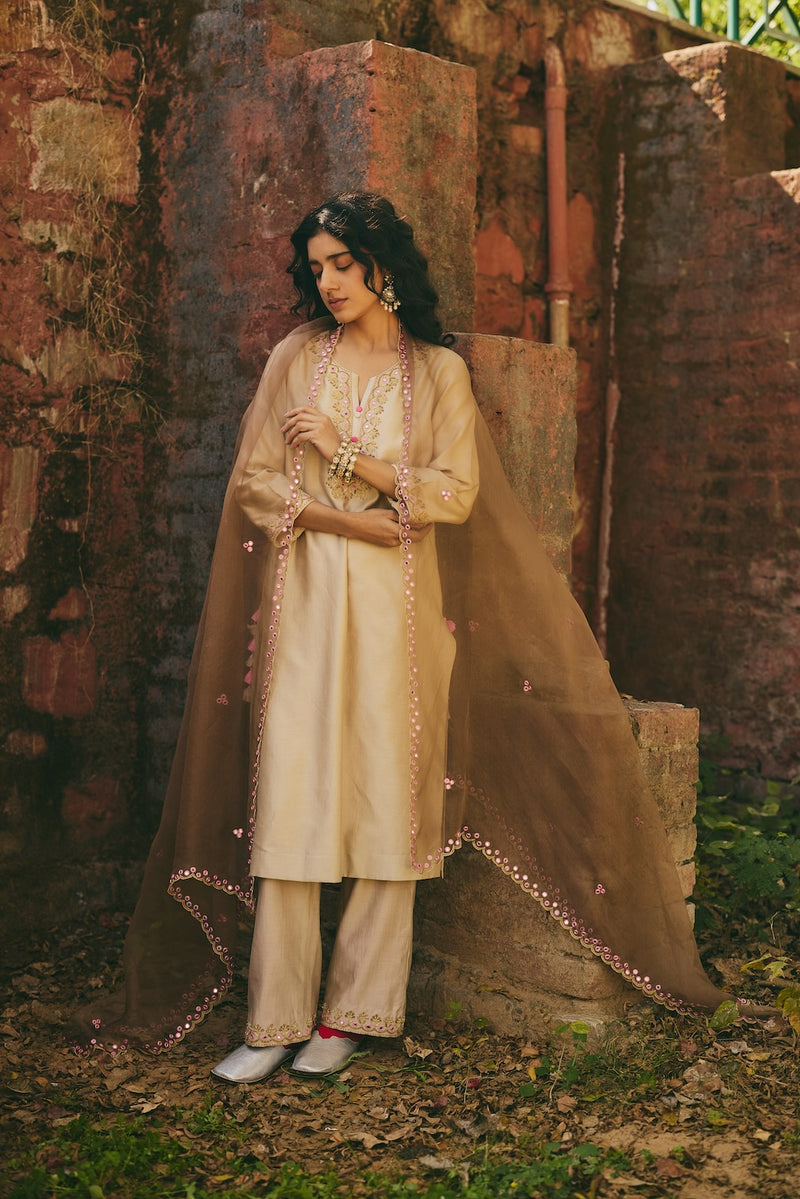
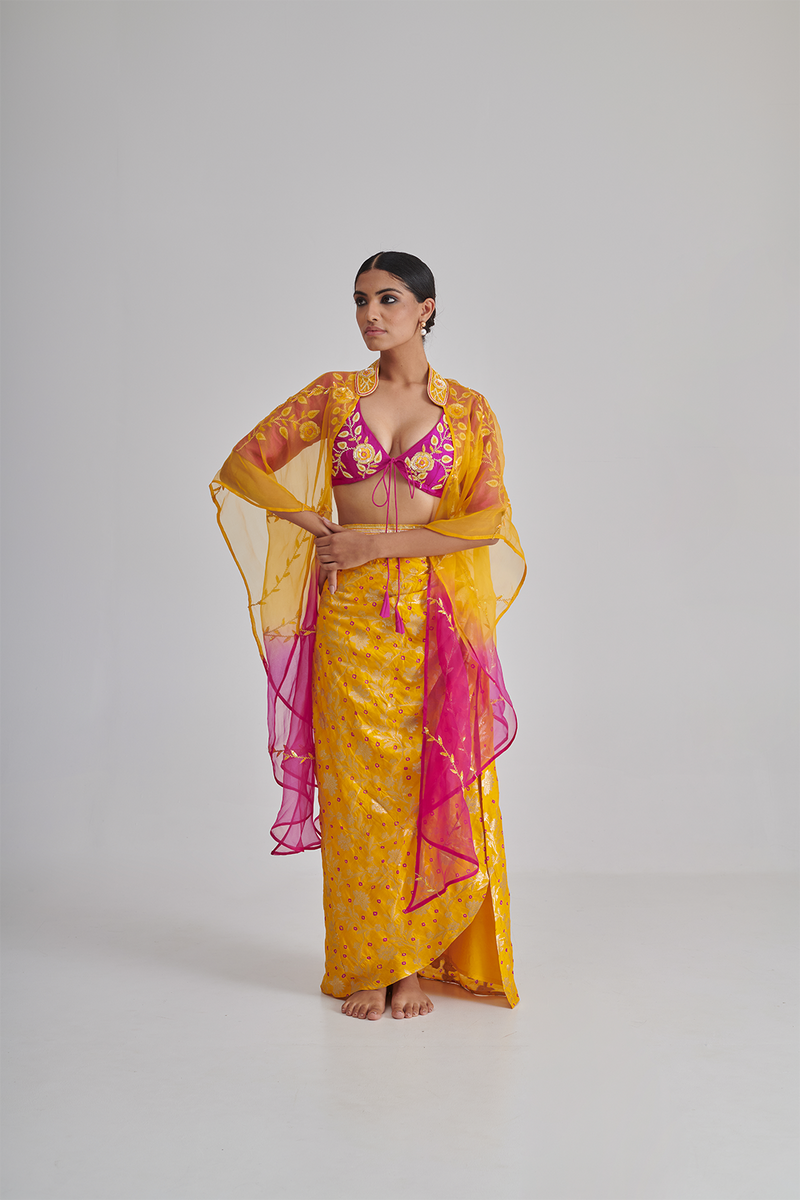
Pieces from this story
All pieces →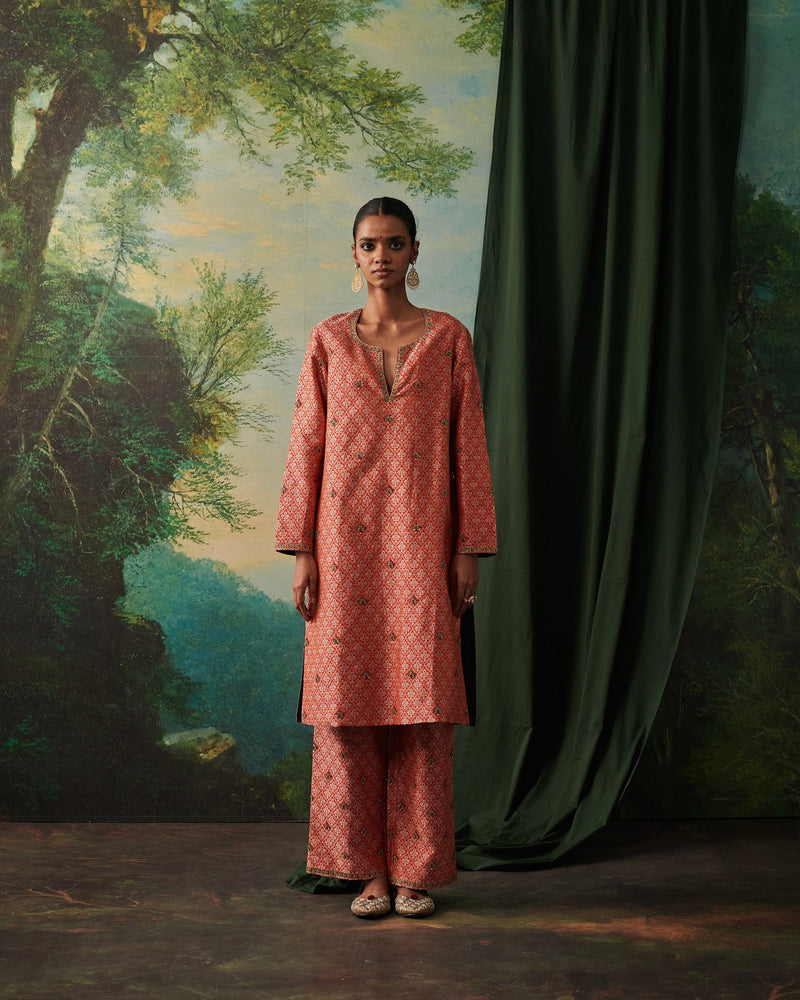
Keep reading
The journal →
Dholki Night Outfit Ideas: What to Wear to the Ladies' Dhol
Handmade by karigars Made to your measurements Fit guarantee Ships worldwide As seen in GraziaElle Graduat...
27 July 2026
Mayra & Bhaat Outfit Ideas: Dressing for the Maternal Gift Ceremony
Handmade by karigars Made to your measurements Fit guarantee Ships worldwide As seen in GraziaElle Graduat...
27 July 2026
Pag Phera Outfit Ideas: What to Wear for the Bride's Homecoming
Handmade by karigars Made to your measurements Fit guarantee Ships worldwide As seen in GraziaElle Graduat...
27 July 2026