
Kurta Sets for Girls: A Parent's Buying Guide to Kids' Kurta Sets
Ask any parent which festive outfit their daughter actually wore, and it is almost never the lehenga. The lehenga gets one wedding and a photograph. The kurta set gets the pujas, the school function, the cousin's birthday, the temple visit, both Diwali evenings, the flight to her grandparents, and — the real test — the long afternoon where she eventually falls asleep on somebody's sofa still wearing it.
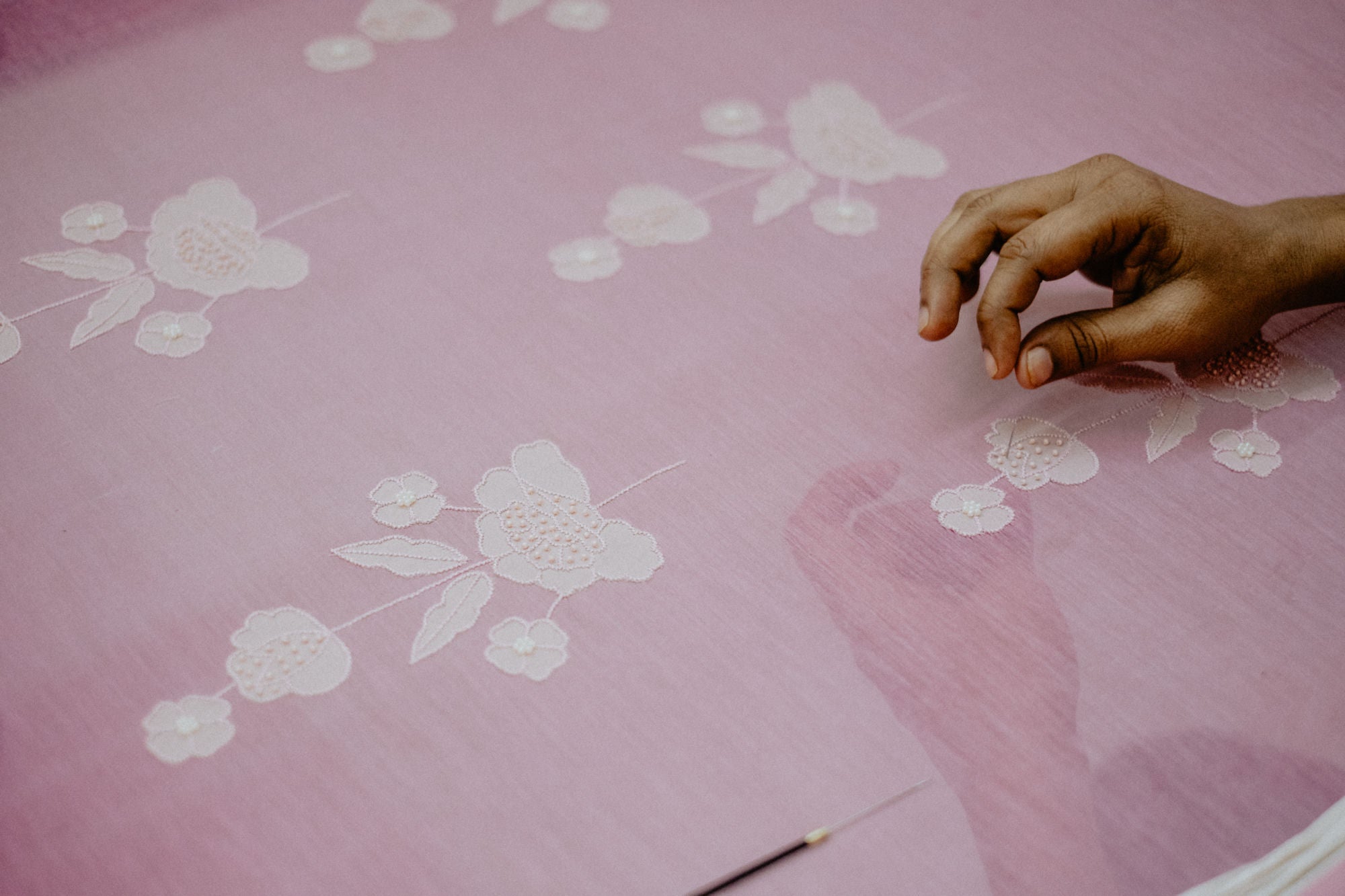
Which makes the kurta set the most important thing in a child's ethnic wardrobe, and the one worth getting right. This guide covers what to look for: silhouettes by age, the fabrics and linings that matter more than the label, sizing when she is growing three inches a year, what to expect to pay in 2026, and the hand-embroidered kids' kurta sets we make in Jaipur.
Why a Kurta Set Usually Beats a Lehenga
- She can move in it. Running, stairs, sitting cross-legged on a floor at a puja, getting into a car seat. A floor-length lehenga does none of these well.
- It has a second life. The kurta alone over leggings is an outfit for a hundred ordinary occasions. A lehenga skirt is a lehenga skirt.
- It handles the bathroom problem. Any parent who has managed a small child, a heavy skirt and a public washroom will understand why this line is in the guide.
- It grows better. A kurta that is long this year is the right length next year. A fitted choli is finished the moment she outgrows it.
- It suits every occasion. Temple, school function, mehendi, Diwali, a wedding lunch. A lehenga is a wedding garment.
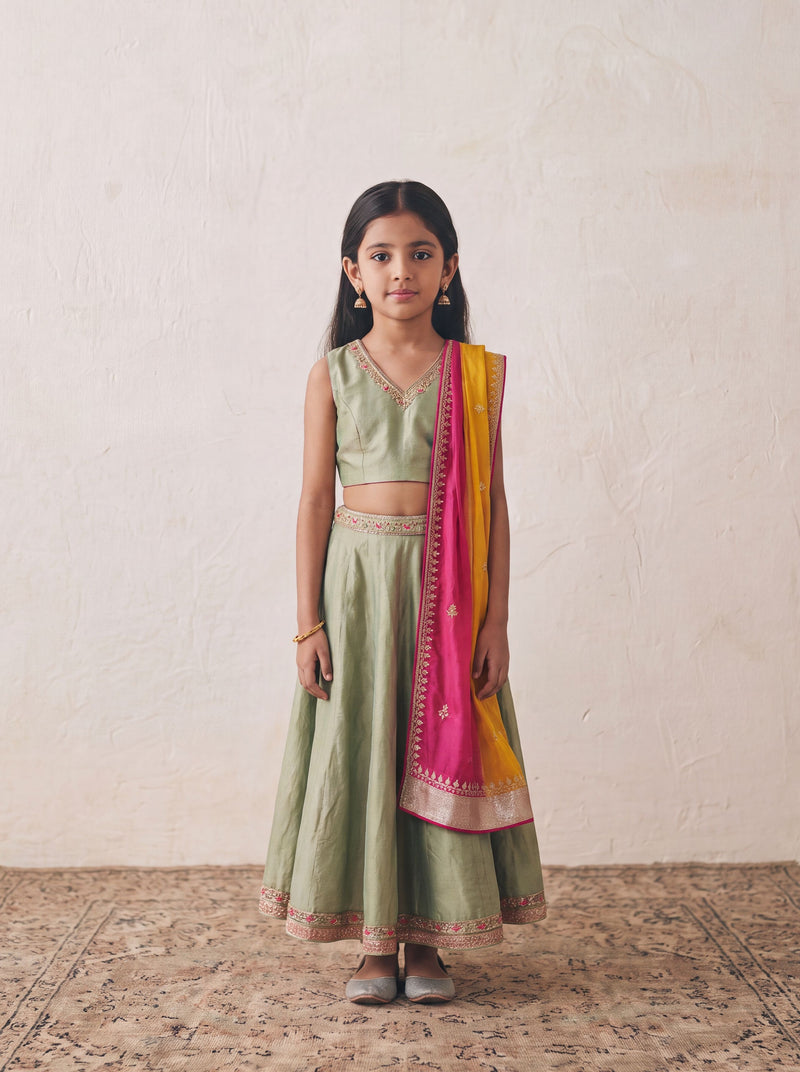
Our kids' lehenga buying guide covers the other side of this decision, and the function-by-function wedding guide sets out what suits which ceremony.
Choosing by Age
Babies and toddlers (0–3 years)
A kurta and soft pant set is the right answer at this age, and very nearly the only right answer. Look for a full-length back opening or generous neck opening — anything that has to be pulled over a protesting head will be. Keep embroidery to the neckline and cuffs, away from the inner arm, and make sure every embroidered panel is lined. Our baby's first festival guide covers the infant stage properly.
Little girls (3–7 years)
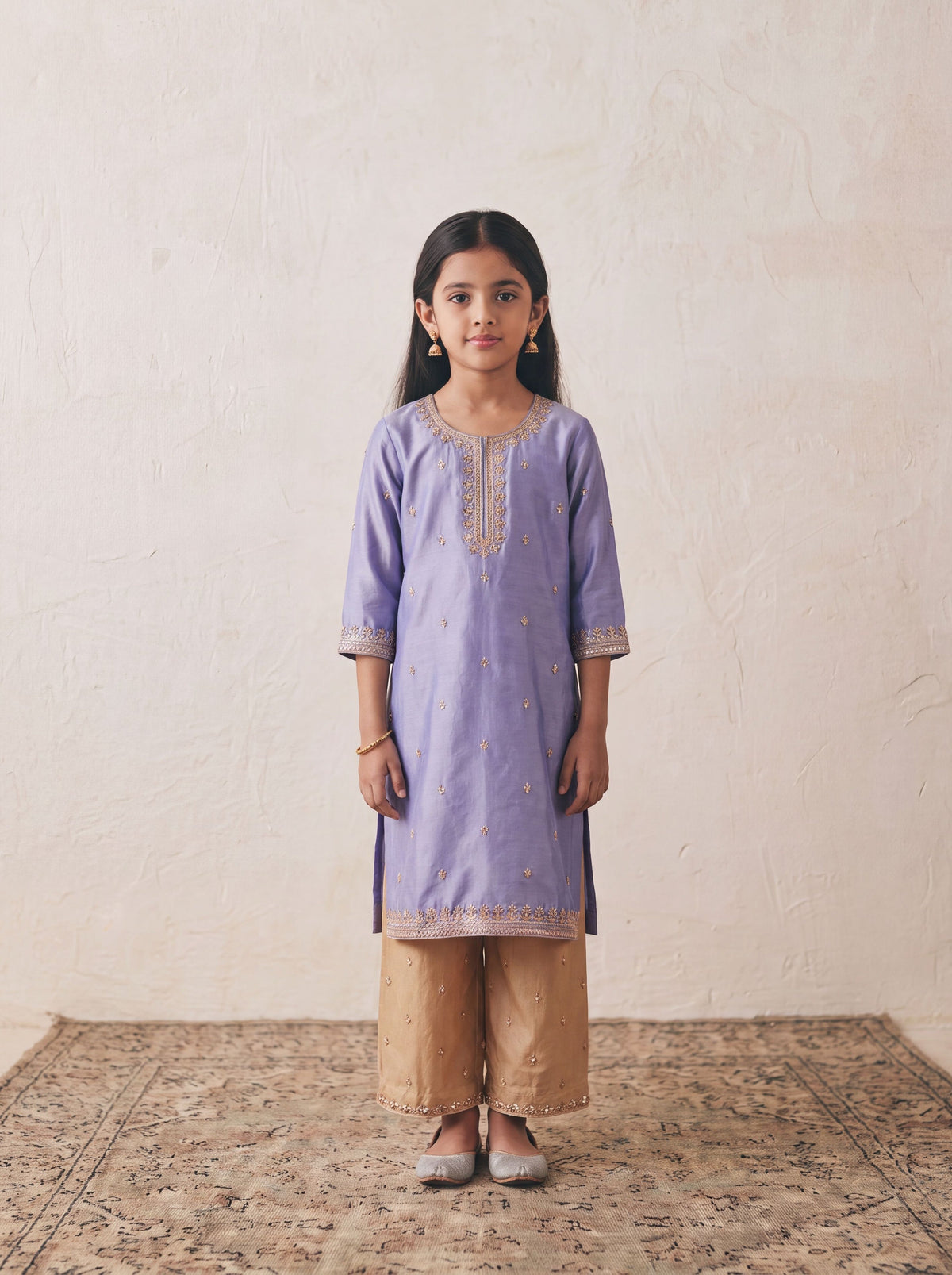
The most forgiving age and the widest choice. A straight or lightly A-line kurta with a soft pant, in a fabric that does not need her to be careful. Three-quarter sleeves survive food better than full ones. If she wants to feel dressed up, a sharara-style bottom photographs like a lehenga and walks like a pant — the best of both.
Older girls and tweens (8–14 years)
She has opinions now, and the fastest way to guarantee an outfit goes unworn is to overrule them. This is the age for longer kurtas, wide-leg and sharara bottoms, and colours that are not automatically pink. Sleeveless and short-sleeve silhouettes start to matter. Our teen wedding-guest guide picks up from about here.
What Actually Matters in a Kids' Kurta Set
- The lining, before anything else. Children do not feel the silk, they feel whatever touches their skin. Every embroidered panel needs a soft lining behind it — especially at the neckline, the inner arm and the shoulder seam.
- The back of the embroidery. Turn the kurta inside out in the shop. Sequin knots, bead threads and zari ends must be covered. This single check eliminates most of the market.
- The neck opening. Children have proportionally large heads. A beautiful kurta with a tight round neck and no placket or back opening will be a fight every single time.
- Sleeve width and length. Narrow sleeves are hard to get arms into and hard to push up when she eats. Three-quarter is the practical length.
- Weight. Dense all-over embroidery exhausts a small body. Light silk, tissue or Chanderi with embroidery at the neckline, cuffs and hem gives the same effect in photographs at a fraction of the weight.
- The waistband. Elastic or drawstring, and reachable by her. A pant she cannot manage alone is a pant you will be managing all evening.
- Room to grow. Ask whether there is seam and hem allowance to let out. It is the single biggest factor in cost per wear for kidswear — our guide on buying for growing kids goes into it, and the kids' fabric comfort guide ranks fabrics by itch and heat.
What Should a Kurta Set for Girls Cost in 2026?
Roughly: ₹500–2,000 on the online high street, usually polyester with printed or machine work — fine for a single school function. ₹2,000–6,000 from established kidswear labels, in real cotton with better finishing. ₹6,000–15,000 for designer diffusion kidswear with good fabric and some hand detailing. And ₹12,000–30,000 for made-to-order sets in pure silk, tissue or Chanderi with genuine hand embroidery, cut to her measurements. Our roundup of the best kids' ethnic wear brands in India compares names across all four bands.
Our Kids' Kurta Sets
Ours are the kids' versions of pieces we make for adults — the same karigars, the same hand embroidery, the same 4–5 week production. Sizes run from 0–3 months right through to 15–16 years, with a custom size option for a small addition if she sits between two, and every set is cut to measurement rather than to a bracket. See them all in the kidswear collection.
The everyday-festive ones (₹12,500–15,500)
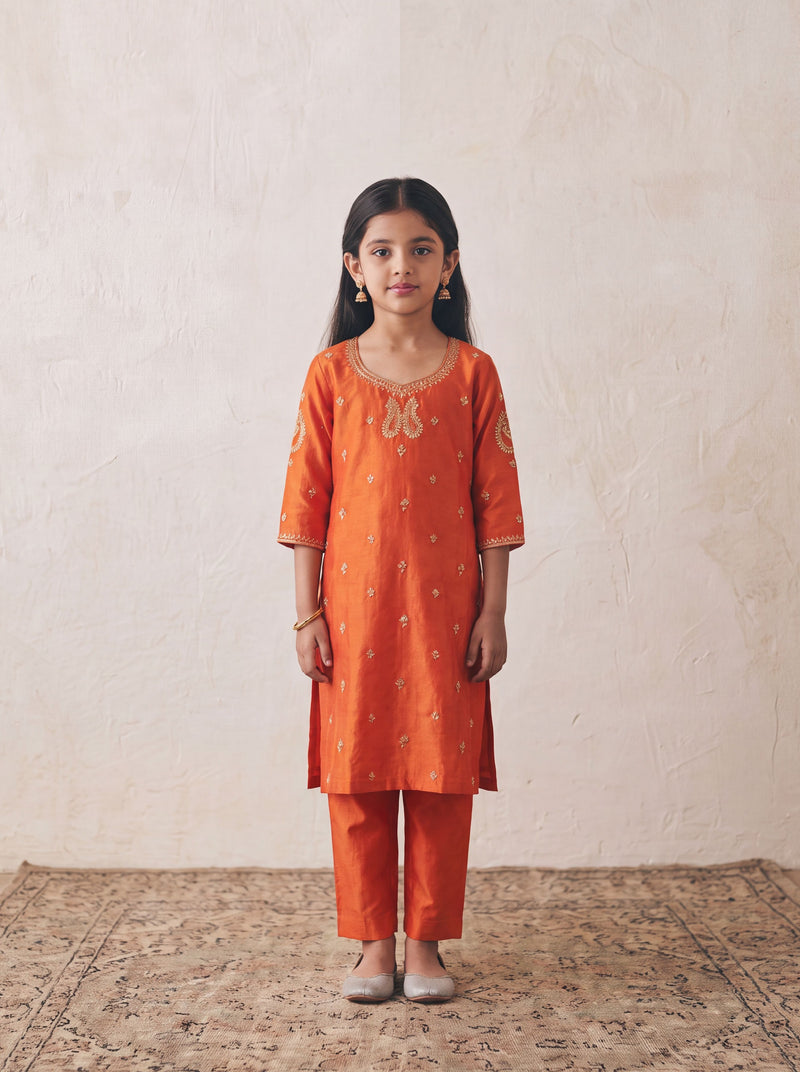
The Ghazal & Parchhai set (₹12,500) is a silk kurta with sequin and bead embroidery framing the neckline and cuffs in blooming floral vines in rouge, gold and ivory, drawn from vintage phool-butti borders. The Raas & Zeba set (₹12,500) has tonal diagonal lines woven through the silk base with multicolour embroidery at the neckline and cuffs in sequins, cutdana and thread. The Afreen & Maahi set (₹12,750) is sunshine-yellow Chanderi with hand-embroidered cutdana and bead flowers — the lightest of the three, and our pick for a hot-weather function.


The soft and understated ones (₹14,500–18,500)
Not every child wants to be in pink, and not every occasion calls for it. The Darya & Keya set (₹14,500) is fine silk in a champagne-taupe with a classic V-neckline and a straight long-line kurta. The Vanya & Bani set (₹16,500) is warm beige silk with a scoop neckline and three-quarter sleeves in a matching tonal pant. The Tara & Pari set (₹18,500) is deep navy satin with a rounded neckline and short sleeves, and the Ayesha & Mehr set (₹18,500) is deep black silk with marodi, sequin and thread work in jaali-inspired borders at the neckline, sleeves, hem and pants. The navy and the black are the two we suggest most often when a family wants tonal rather than bright.


The colourful festive ones (₹14,500–18,500)
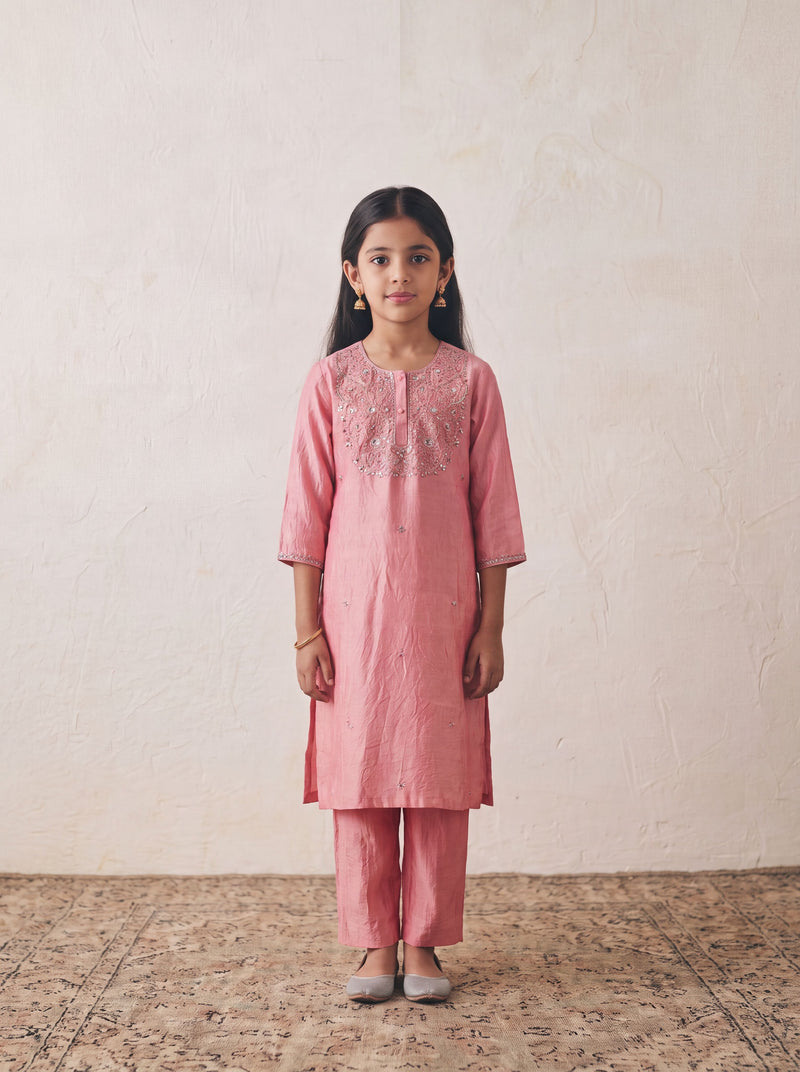
The Anahita & Amira set (₹14,500) is rich magenta silk, hand-embroidered with sequins and beads around the neckline, cuffs and back collar in pink, blue and ivory florals. The Ruhani & Nilofer set (₹14,500) is soft pink silk with a zardozi, sequin and cutdana floral neckline and scattered bootis across the body and sleeves. The Faiza & Rida set (₹14,500) is soft gold silk with a gentle V-neckline, three-quarter sleeves and gota and thread work in rose and coral. The Sahira & Fizza set (₹16,500) pairs a pistachio-green silk kurta with a lime-yellow pant, and the Gia & Cyraa set (₹18,500) is lime green with rose-gold floral embroidery.


For something quieter in the same band, the Anika & Mahboob set (₹14,500) is ivory embroidered silk with vine and floral motifs inspired by Mughal artistry in gold and silver threads — the one for a temple visit or a daytime puja. Our guide to what kids should wear to a temple or puja covers that occasion in detail.
Sharara and wide-leg sets (₹16,500–24,500)
When she wants the drama of a lehenga without the trouble of one. The Rohi & Zoey set (₹16,500) is a luminous yellow kurta with a pale mint-green sharara in tissue silk, with neckline and sleeve embroidery in rose gold and pistachio. The Ananya & Tavishi set (₹21,500) is tissue in antique gold and muted green, with a two-tone kurta over a sharara. The Nazakat & Saanwli set (₹17,500) is Chanderi with wide-legged pants, floral bootis and bold paisley motifs on the sleeves and pant hem.


At the top of the range, the Nazma & Ahana set (₹24,500) is a soft blue silk kurta with a honey-gold pant, hand-embroidered at the neckline with gota patti and sequins, mirrored in the sleeve and hem borders — the closest thing we make to a wedding outfit that is still genuinely a kurta set. And if she and her mother want to match, several of these have adult counterparts: our mother-daughter twinning guide explains how to do it without looking like a costume.
Making It Last
Hand-embroidered kidswear is worth handing down, which means treating it a little differently from school clothes: dry clean rather than machine wash, store folded in muslin rather than in a plastic cover, and deal with stains the same day rather than the next weekend. Our guide to caring for kids' hand-embroidered clothes covers the whole routine, including how to pass a set to a younger cousin without it looking passed down.
Hand-Embroidered Kurta Sets for Girls
Kids' kurta sets from ₹12,500, in sizes from 0–3 months to 15–16 years, hand-embroidered in Jaipur and made to order over 4–5 weeks. Unsure between two sizes? Send us her measurements and we will cut to them.
Shop KidswearFrequently Asked Questions
What size kurta set should I buy for a growing child?
Buy her current size rather than sizing up — an oversized kurta looks borrowed and a long pant is a trip hazard. What matters more is seam and hem allowance to let out later. Our kids' sizes run from 0–3 months to 15–16 years, with a custom size option for a small additional cost if she sits between two.
Which fabric is best for a girls' kurta set?
Cotton and Chanderi for hot weather and long days; silk, satin and tissue for festive occasions and photographs. Whatever the outer fabric, the lining is what decides comfort, because it is what touches her skin and covers the back of the embroidery. Avoid unlined net and heavy sequinned polyester for young children.
How much does a kids' kurta set cost in India?
Around ₹500–2,000 on the online high street, mostly polyester with printed or machine work; ₹2,000–6,000 from established kidswear labels in real cotton; ₹6,000–15,000 for designer diffusion kidswear; and ₹12,000–30,000 for made-to-order sets in silk, tissue or Chanderi with genuine hand embroidery.
Kurta set or lehenga for a wedding?
A lehenga for the one big function where she will be photographed; a kurta set for everything else, including the long days. A kurta set with a sharara or wide-leg bottom is the useful middle — it photographs like a lehenga, moves like a pant, and gets worn many more times afterwards.
How do I stop embroidery from irritating my child's skin?
Check the inside of the garment before you buy. Sequin knots, bead threads and zari ends should all be covered by a soft lining, particularly at the neckline, inner arm and shoulder seam. If an embroidered panel is unlined, ask whether a lining can be added — with made-to-order pieces it usually can.
Made to order in 4–5 weeks
Have an event date? We’ll tell you exactly when to order by.
We take a limited number of orders each month — secure your slot early.
Not sure where to start?
Tell us what you're dressing for and we'll help you choose — fabric, fit, colour, and timeline — over WhatsApp.
Your Cart
Pieces from this story
All pieces →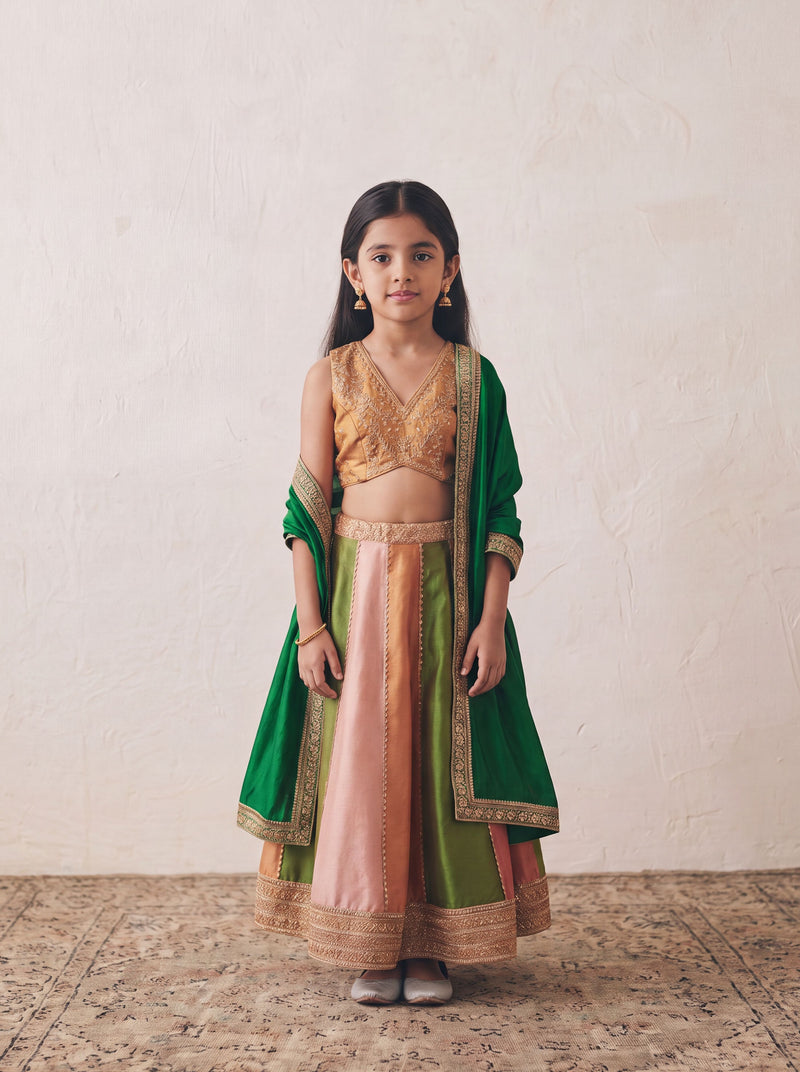
Keep reading
The journal →
Best Plus-Size Ethnic Wear Brands in India 2026: Where to Actually Find Your Size
Handmade by karigars Made to your measurements Fit guarantee Ships worldwide As seen in GraziaElle Graduat...
17 September 2026
Gifts for Your Mother-in-Law: Indian Outfits That Don't Feel Like a Formality
Handmade by karigars Made to your measurements Fit guarantee Ships worldwide As seen in GraziaElle Graduat...
17 September 2026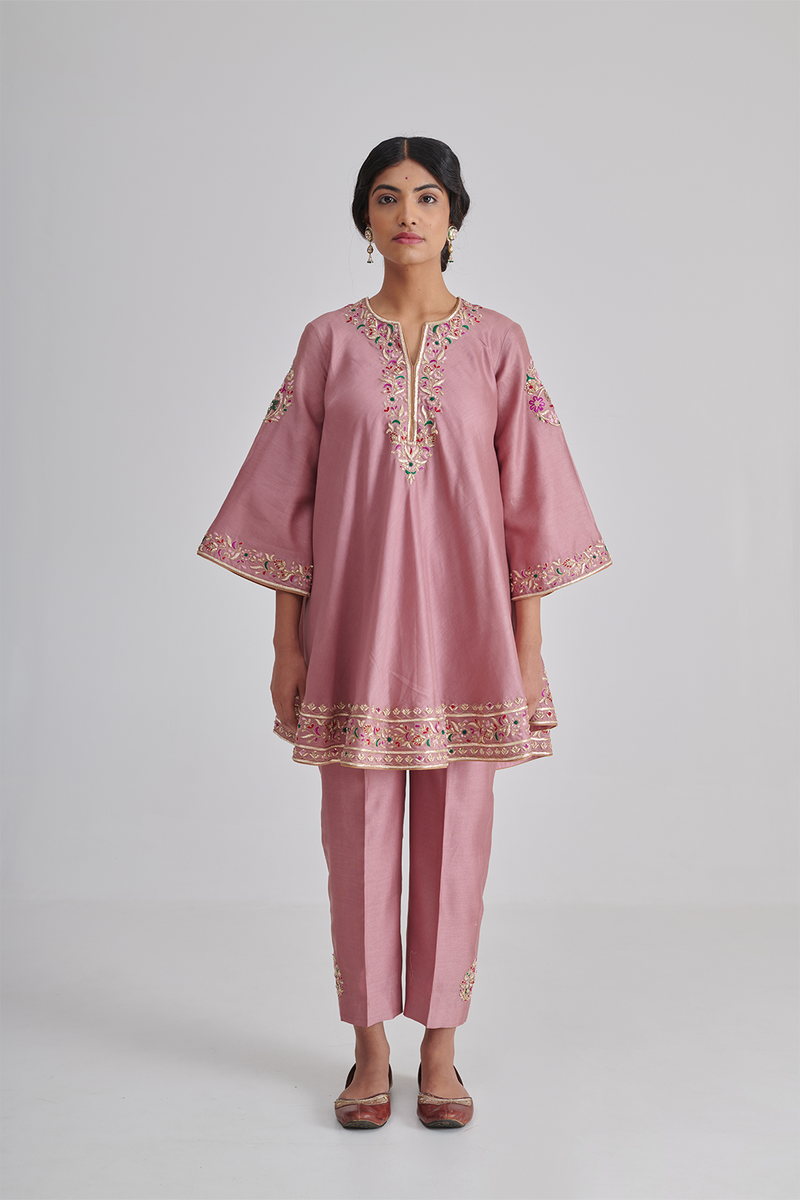
Best Chanderi Brands in India 2026: Suits, Dupattas & Where to Buy the Real Weave
Handmade by karigars Made to your measurements Fit guarantee Ships worldwide As seen in GraziaElle Graduat...
17 September 2026