

What to Wear to a Tulu Wedding: A Guest's Guide to Bunt and Tuluva Weddings in Mangaluru and Udupi
The short answer: a Bunt or Tuluva wedding is, at its heart, a morning ceremony built around one moment, the dhare, when the bride's parents pour water over the couple's joined hands. It is followed by a feast, and often by an evening reception. So for the main day, dress as you would for a formal morning ceremony in a warm coastal town: a silk sari or a silk kurta set in a clear colour, some gold, jasmine in your hair if you like it, and nothing hard to sit in for a couple of hours. Save the lehenga and the heavier sparkle for the reception.
Tulu Nadu is the Tulu-speaking stretch of the south-western coast: Mangaluru and Udupi on the Karnataka side, and a little of northern Kerala. The Bunts, historically the region's landowners, are one of its best-known communities; most speak Tulu, some Kundagannada. This guide leans on Bunt customs because they are the best documented. Other Tulu-speaking communities, such as the Billavas, share the dhare but have their own details. Customs vary from family to family, so treat this as a map rather than a rulebook and ask the hosts which functions you are invited to.
If you are going to a Konkani-speaking GSB or Saraswat wedding in the same cities, that is a different tradition; our Konkani wedding guide covers it. For a Kannada wedding elsewhere in Karnataka, see our Kannada wedding guide.
Why the Bride's Family Matters So Much Here
Bunts, Billavas and several other Tuluva communities traditionally followed aliyasantana, a matrilineal system. The word means, roughly, "nephew or niece as heir": family identity and property passed through the mother's line, and the maternal uncle was usually the head of the household. Bunt families belong to matrilineal clans called bari, and people of the same bari traditionally did not marry each other.
You will feel that heritage at the wedding. The bride's family has traditionally hosted and paid for it, the bride's brother and her maternal relatives have real ceremonial jobs, and one ritual near the end is devoted to the bride's family formally presenting her to her new mother-in-law. If you are on the bride's side, you are a host, and that is worth dressing for.
An Honest Note Before We Start
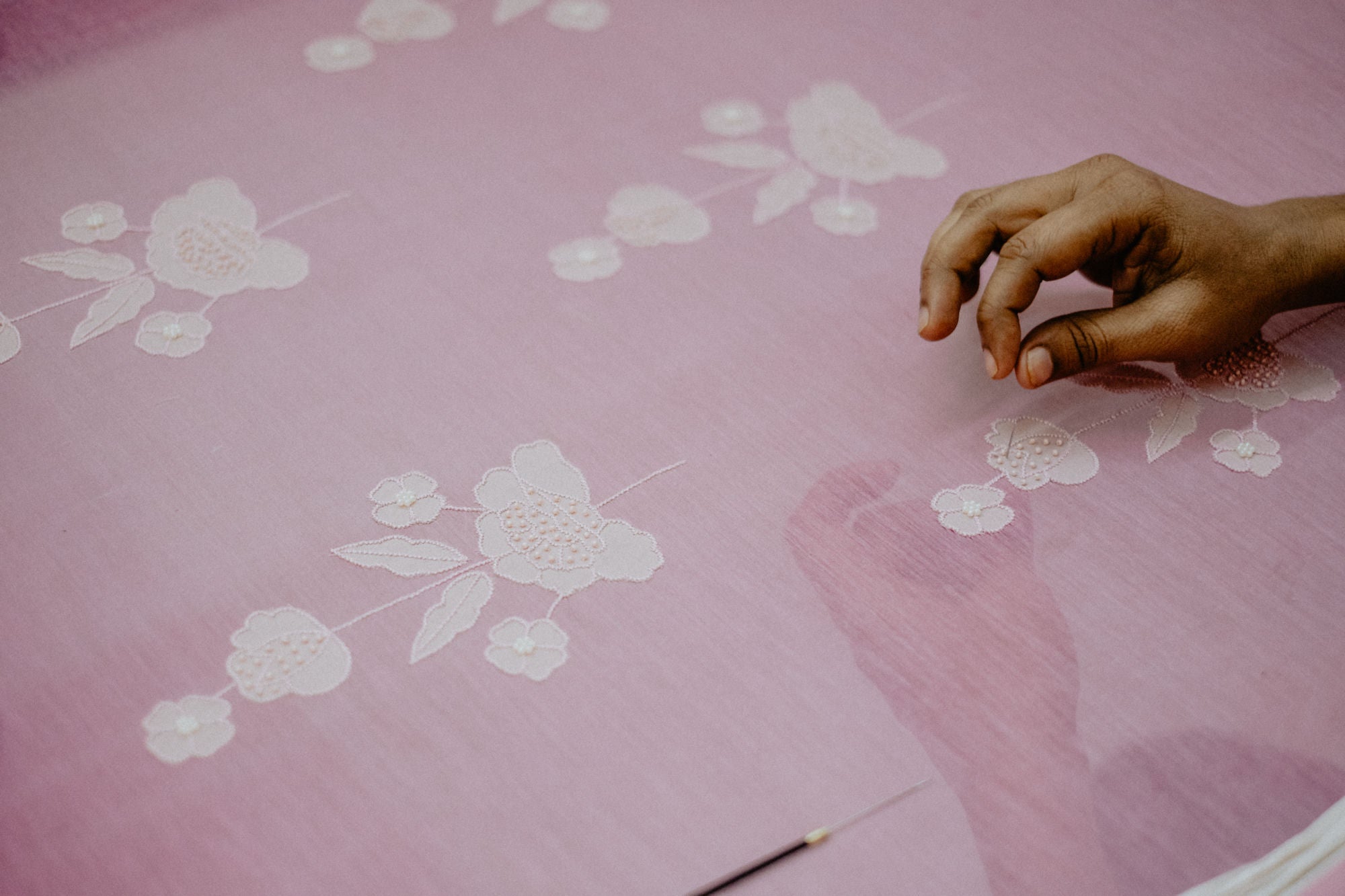
The Bunt bride traditionally wears a red or maroon Kanchipuram silk sari, a plait studded with Mangaluru jasmine, a gold patti (waist belt), a vanki (armlet) and a mundale on her forehead. We do not weave Kanchipuram silk or the handloom cotton saris of Udupi, and we do not make jewellery. What we make is hand embroidery (zardozi, aari, marodi, gota patti, resham, sequins and cutdana) on silk, Chanderi, tissue and handwoven Banarasi cloth that we buy. Everything below is chosen for guests.
Madarangi: The Henna Day
The madarangi (spelt madarengee or madirangi too) is the henna ceremony, held a day or two before the wedding. In older accounts the bride had only a dot of henna on her palms and fingertips; today henna artists cover her hands and feet, the women of the family get designs too, and the groom gets just a symbolic dot.
If you are having henna done, the practical rule is short or easy sleeves and a fabric you are not afraid of marking. Green is a natural colour for the day. The Sahira & Fizza set (₹27,500) is a soft pistachio-green silk kurta over a lime-yellow silk pant, hand-embroidered with resham, sequins, cutdana, beads and aari in floral and paisley motifs at the neckline, sleeve hems and pant hem. For something brighter, the Haniya & Mithila set (₹21,000) is a magenta Chanderi kurta in an A-line cut, with gold thread, sequins and multicolour thread work along the sleeves and hem, over matching Chanderi pants.

Murthasese: Bangles and Blessings at the Bride's Home
On the day before the wedding, the bride is given a ritual bath by the older women of the family, with oil, turmeric and coconut milk. Then comes the murthasese at the bride's house. She prays at the tulsi plant, sits facing east in a silk sari and her bridal gold, and five married women (sumangalis) slip red and green glass bangles onto her wrists. An older woman puts on her toe rings, and the family blesses her with rice, turmeric and kumkum.
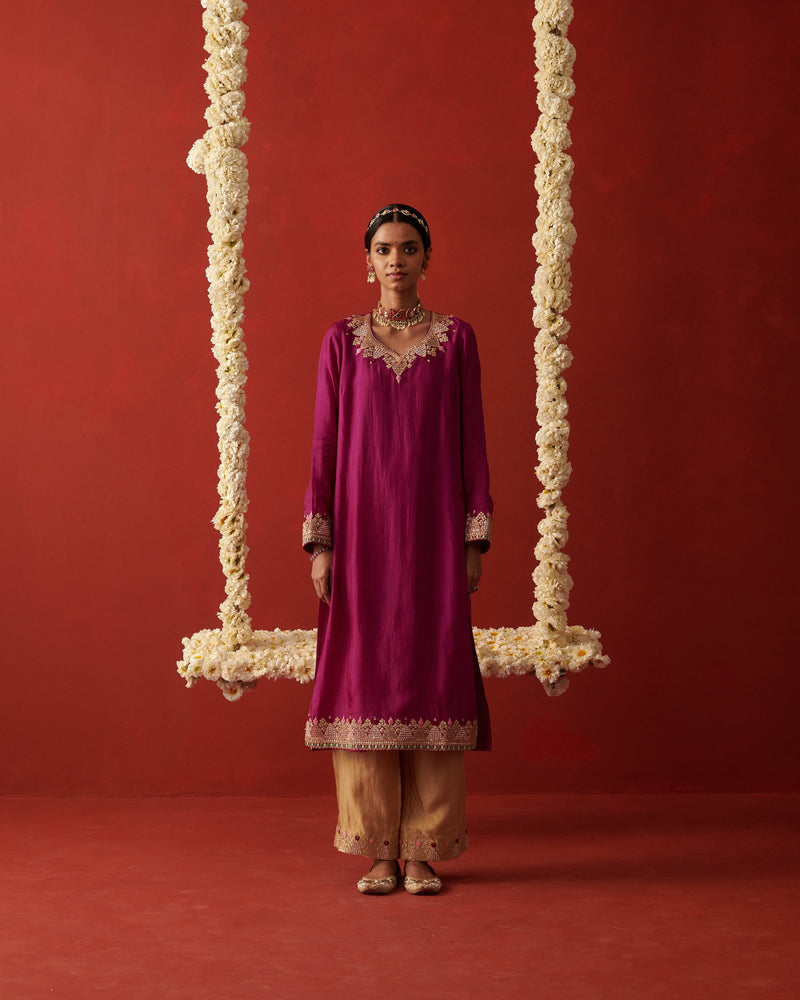
It is a home occasion, close family and the groom's parents, so dress as you would for a household puja: covered, soft in colour and quietly festive. The Vanya & Bani set (₹23,425) is warm beige silk with a scoop neckline and three-quarter sleeves, appliqué guldasta (bouquet) motifs at the neckline in dusty rose and peach resham, nakshi and zardozi on the stems and borders, and small butis scattered across the body.
The Wedding Morning: What Happens at the Dhare
A typical Bunt wedding is a single-day affair: the ceremony in the morning and, if there is one, the reception in the evening. Traditional accounts describe the bride arriving at the hall first, about half an hour before the dhare. Her sister-in-law washes her feet before she enters, and the kombu, a long horn, is blown. The groom is received in a similar way and seated beside her on a stage dressed with areca-nut bunches, mango leaves and jasmine.
Then the core of the wedding. The couple exchange garlands, the kombu sounds again, and the bride's parents carry a brass or silver spouted vessel of holy water, the dhareda chembu, to the elders of both families for their blessings. A gold coin is placed on the bride's palm, the groom's hands go beneath hers, and her parents pour the water over their joined hands. That pouring is the dhare, and the word is often used for the wedding day itself. The groom ties the black-bead mangalsutra, rings are exchanged, and the couple, holding the chembu, sit down and rise three times in quick succession. Many families follow with a homa, in which the bride's brother hands the couple puffed rice to offer into the fire, and the saptapadi, the seven steps. Traditionally community elders officiated without a priest; today a priest is common, though some families still perform the dhare without one.
Among the Billavas, too, the pouring of water is the binding act; Edgar Thurston's early-twentieth-century survey calls it the kai dhare, the hand dhare. Know the dhare and you will know when to stop chatting and watch.
What to Wear to the Dhare
Silk, real colour, some gold. Leave red and maroon to the bride if you can, since that is her traditional Kanchipuram palette. Mint, green, pink, yellow, blue and gold all photograph well in daylight.
If you love a sari, the Zariya saree (₹22,595) is a soft mint-green Banarasi with diagonal bands of sequins and gota in antique gold and a fine pink selvedge. It is light and fluid, which matters in Mangaluru humidity. The blouse is not included, so pick up the pink edge with the Ruhani blouse (₹7,500) in deep rani pink silk, with a V-neck, a curved open back, sequin floral bootis and gota-inspired borders. To be accurate, the Banarasi is handwoven cloth that we buy; our work is the embroidery on it.


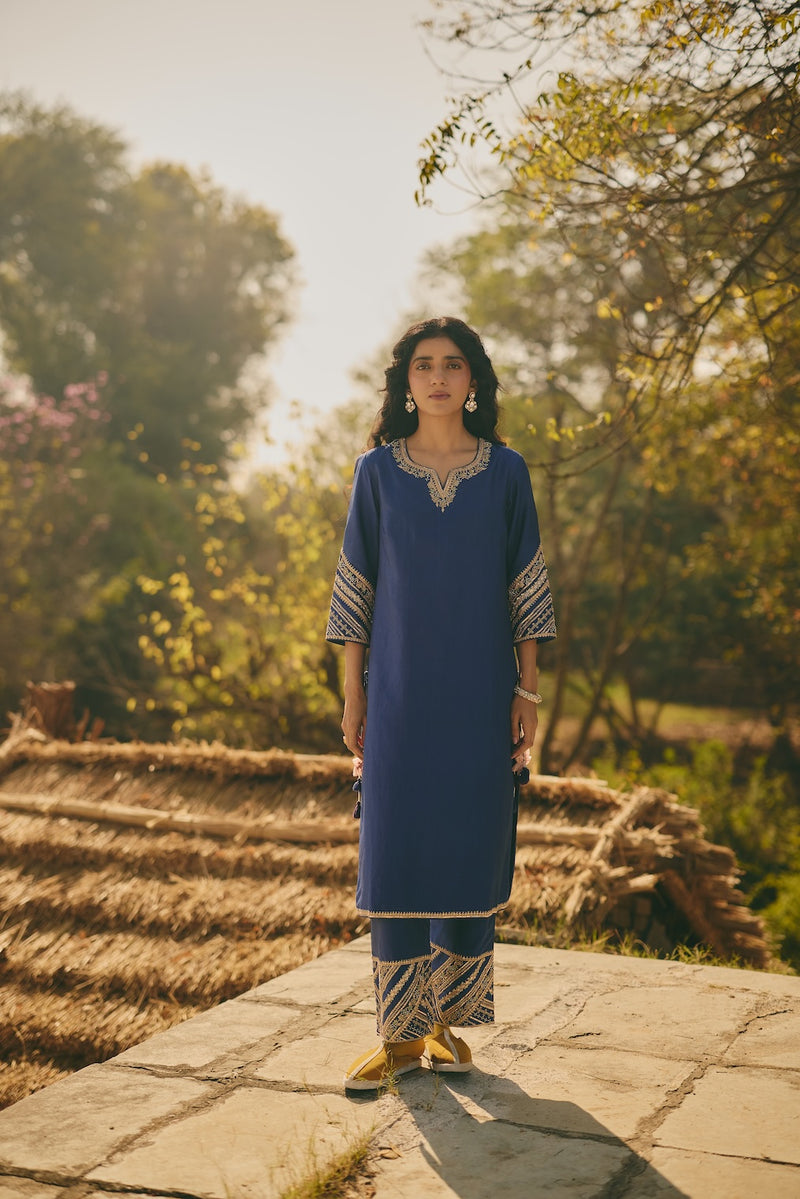
If you would rather not manage a drape through a long seated morning, a silk kurta set is just as correct. The Shailee & Amira set (₹27,500) is a silk kurta with marodi, sequins and thread work at the neckline, cuffs and hem, in triangular motifs and floral clusters of soft pink, gold and green that echo old temple jaalis, over muted gold pants embroidered to match. For deeper colour, the Ameera & Hoorain set (₹32,500) is deep sapphire-blue silk with marodi, resham, sequins, cutdana, beads and aari, floral at the neckline and geometric along the sleeves and pant hem.

Sese: When the Guests Take Part
After the main rituals, everyone blesses the couple with sese: raw rice mixed with turmeric and kumkum, showered over them while the married women perform aarti. As a guest you may be handed a little of this rice and invited up to the stage. Turmeric and kumkum stain, so keep a tissue handy, and pin your pallu, because you may be leaning over the couple.
Then come a few quick rituals worth watching. The couple step out to pray to the sun. The bride's brother washes the groom's feet, and the groom is expected to reward him handsomely. Back inside, the bride's mother gives the groom tender coconut water, and he drinks a little and shares the rest with his wife. Finally, in what accounts call ponnu vocchidu korpunu, the women of the bride's family present her to the groom's mother, and his family promises to treat her as a daughter.
The Feast: Dress for Sitting Down
Bunt food is famous well beyond the coast, from kori rotti to bangude (mackerel) dishes. But traditional accounts describe the wedding-day feast itself as a five-course vegetarian meal, served after the ceremony and before the bride leaves at a muhurta fixed in advance. What the evening reception serves is entirely up to the family.
For the meal, wear something you can sit and eat in without worrying about your sleeves. Brocade gives you the sheen of silk without the yardage. The Rangrez & Aliza set (₹18,750) is a moonga silk brocade kurta woven with gold motifs, over silk pants with an all-over floral jaal print, aari and zardozi hand-embroidery and a contrasting piping.

Already Own a Kanjeevaram or an Udupi Sari?
Many guests will reach for the silk sari already in their cupboard, or a handloom cotton sari from Udupi itself. The Udupi sari has had a Geographical Indication since 2015: pure cotton, woven on Malabar frame looms, often with checks in the body and a darker pallu. It is a thoughtful choice for a daytime wedding in its home town. Either can be lifted with a new embroidered blouse.
The Dua blouse (₹9,500) is deep red silk with all-over floral bootis hand-embroidered in sequins, cutdana and gota and a round, embroidered back. Against a green or mustard silk it reads as festive without being bridal. The Nimbu blouse (₹7,500) is lemon-yellow silk with floral clusters in soft pink, ivory and green sequins, cutdana and beads, a bright partner for a dark-pallu cotton sari. If you are weighing silks, our Banarasi vs Kanjivaram guide explains the difference.


The Reception
If the family holds an evening reception, this is where you can go fuller. Coastal evenings are still warm, so lighter fabrics win. The Mehergul & Abroo lehenga (₹25,000) is rani-pink silk, with a blouse hand-embroidered in sequins, cutdana and thread work in floral and vine motifs and a lehenga with fluid gathers. The Ananya & Tavishi set (₹29,500) is in tissue, an antique-gold bodice and sleeves over soft green lower panels, embroidered with resham, sequins, cutdana and beads, with a flared green tissue sharara. Our reception outfit guide has more ideas, written for brides but useful for close family.


Jasmine, Weather and Season
Jasmine is everywhere at a Tulu wedding: on the stage and in the bride's plait. The local variety, Udupi mallige, has its own Geographical Indication, and its prices peak in the March-to-May wedding season. A string pinned in your hair is welcome; our gajra guide shows how to keep it in place. The coast is humid for most of the year, so pure silk, Chanderi and tissue will serve you far better than synthetics or heavy layers. If the date falls in the monsoon, our monsoon fabric guide will help.
Four Things Worth Knowing
- Be on time for the dhare. It is set by muhurta, and it is the moment the whole wedding turns on.
- Leave red and maroon to the bride. Her Kanchipuram is traditionally red or maroon; every other clear colour is fair game.
- You may be invited to bless the couple. Keep your pallu pinned and a tissue for the turmeric and kumkum.
- Avoid all-black and all-white. Many families still avoid them at a wedding; ivory or beige with colour and gold is fine.
Going to a Tulu Wedding This Season?
Every piece is made to order in our Jaipur atelier in 4–5 weeks, plus 3–7 days for shipping, and cut to your measurements at no extra charge. Message us on WhatsApp with the wedding date and the functions you are attending, and we will tell you honestly what can reach you in time.
Browse the CollectionMore regional guides: Konkani · Kannada · Kodava · Kerala · South Indian
Frequently Asked Questions
What should a guest wear to a Bunt or Tulu wedding?
For the main ceremony, a silk sari or silk kurta set in a clear colour with some gold. A typical Bunt wedding is held in the morning and followed by a feast, so choose something covered, breathable and comfortable to sit in. Keep lehengas and heavier embellishment for the evening reception, and leave red and maroon to the bride.
What is the dhare in a Tulu wedding?
The central ritual. A gold coin is placed on the bride's palm, the groom's hands go beneath hers, and the bride's parents pour holy water over their joined hands from a spouted brass or silver vessel called the dhareda chembu. The groom then ties the mangalsutra. Billava families also treat the pouring of water, the kai dhare, as the binding act.
What is madarangi?
The Tulu henna ceremony, held a day or two before the wedding. Today the bride's hands and feet are usually decorated by henna artists and the women of the family have designs applied too, while the groom traditionally receives only a symbolic dot.
Made to order in 4–5 weeks
Have an event date? We’ll tell you exactly when to order by.
We take a limited number of orders each month — secure your slot early.
WhatsApp me my order-by date + a shortlistNot sure where to start?
Tell us what you're dressing for and we'll help you choose — fabric, fit, colour, and timeline — over WhatsApp or on a video call.
Your Cart
Pieces from this story
All pieces →Not sure which piece, or need it by a date? Book a video consultation Ask us on WhatsApp



Keep reading
The journal →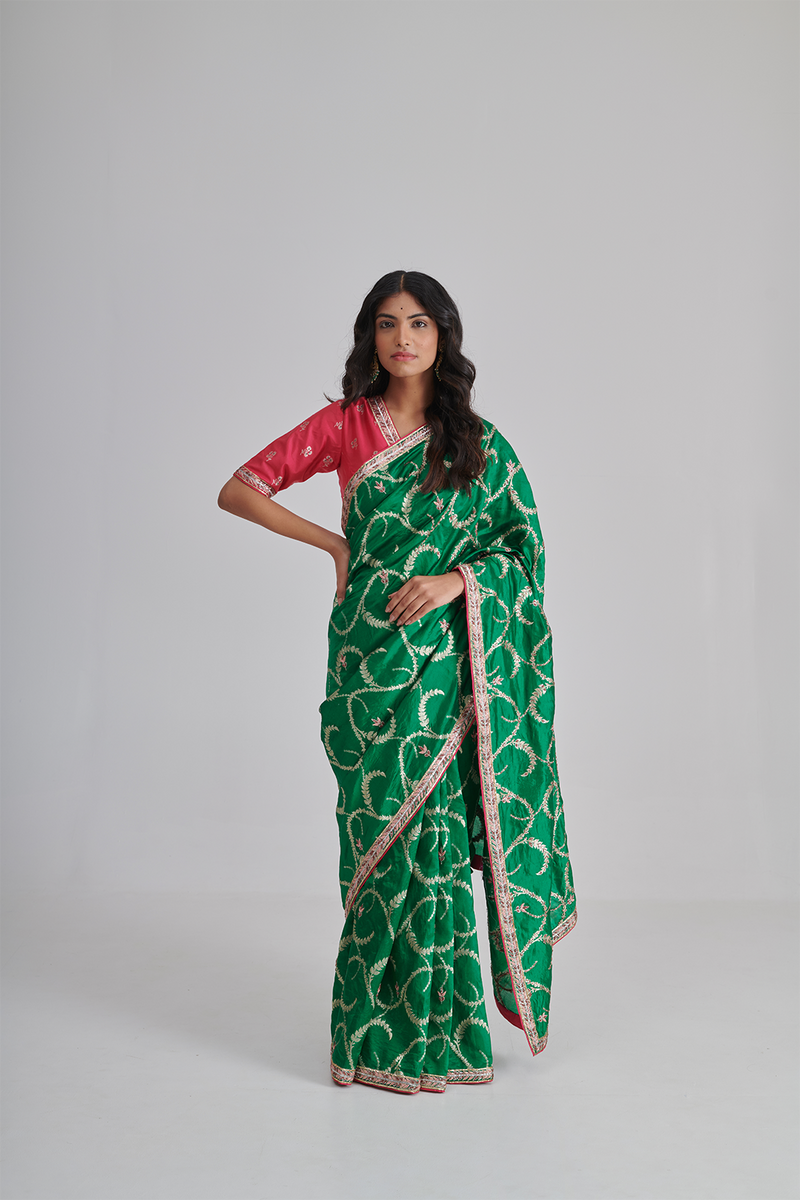
What to Wear to a Konkani Wedding: A Guest's Guide to GSB, Saraswat and Goan Hindu Weddings
Guest outfits for a Konkani wedding in Mangaluru, Udupi, Goa or Kochi: from the bangle ceremony and haldi to the morn...
29 September 2026
What to Wear to a Kannada Wedding: A Guest's Guide from Nischitartha to the Morning Muhurtha
Guest outfits for a Kannada wedding in Karnataka, from nischitartha and arishina to kashi yatre, dhare and the early-...
29 September 2026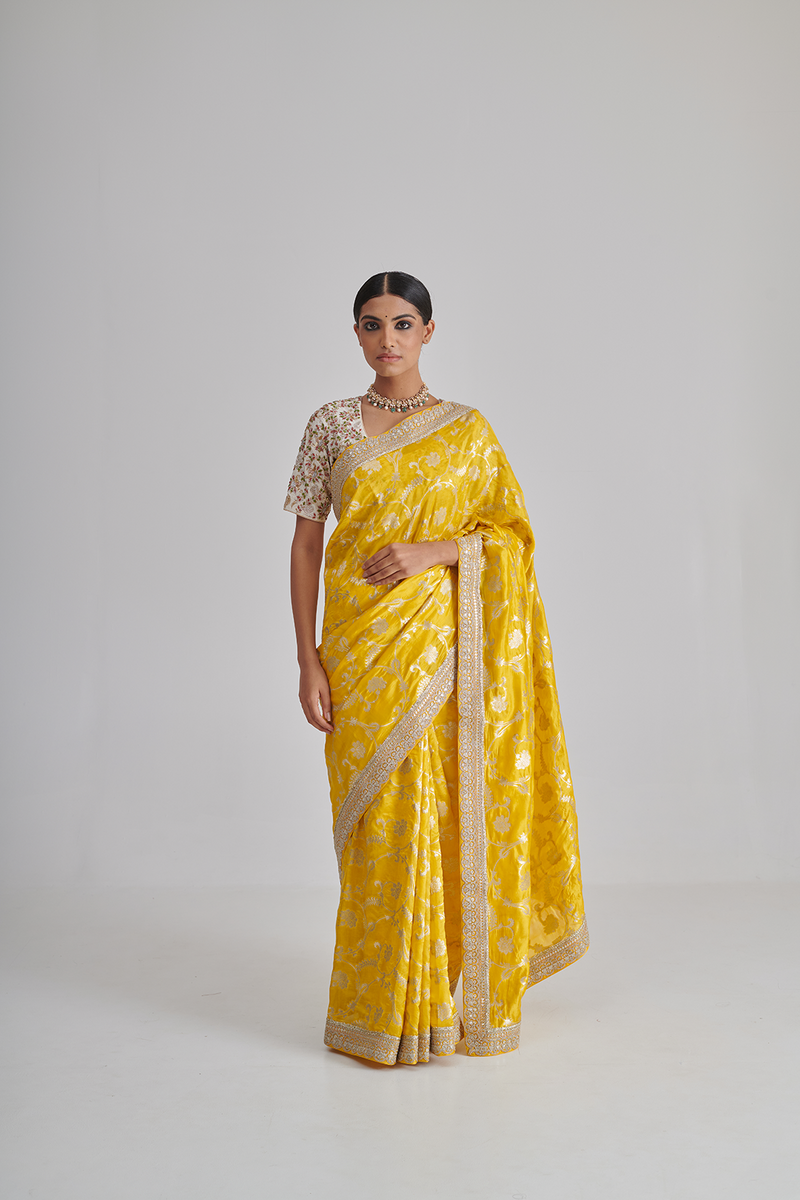
Banarasi vs Kanjeevaram: Which Silk Saree Is Right for You?
They are the crown jewels of Indian silk — the Banarasi of the north and the Kanjeevaram of the south. Both are heirl...
19 June 2026