

Where to Shop for Indian Clothes in East Africa: Nairobi, Mombasa, Kampala & Dar es Salaam
In 1896 the first workers from British India landed at Mombasa to build the Uganda Railway. By the time the line reached Kisumu in 1901, about 32,000 had been brought over; roughly 2,500 died, and 6,724 chose to stay. Many of them, and the traders who followed, became the dukawallas, the shopkeepers whose small general stores spread across Kenya, Uganda and Tanganyika. Gujarati merchants had been trading on this coast for centuries before that. So East Africa's Indian community is old, rooted and proud — Kenya formally recognised its citizens of Indian descent as the country's 44th tribe in 2017 — and it has a shopping culture of its own.
This guide covers where to shop in person in Nairobi, Mombasa, Kampala and Dar es Salaam, what each place is good and not so good for, and when ordering from India is the better call. As with our other city guides, we name areas and streets rather than individual shops, which open and close faster than any guide can keep up with.
Nairobi
Nairobi itself began as a depot on the Uganda Railway, which reached the site in 1899. Kenya's Indian community is usually put at around 100,000 people, with roots mainly in Gujarat, Punjab and Goa.
Diamond Plaza, Parklands
Ask in Nairobi where to buy a sari and the answer you will hear most often is Diamond Plaza. It sits in Parklands, the suburb with the city's largest concentration of Kenyans of Asian descent, and visitors routinely describe it as Nairobi's Little India: small Indian-run shops selling saris and other ethnic wear, dress fabric, sweets and spices, with a well-known Indian food court behind it. It is probably the most useful single stop in East Africa for ready-made occasion wear, accessories and blouse fabric. Go on a weekday if you can; weekends and the weeks before Diwali are crowded.
Ngara and Biashara Street
Ngara, just north of the city centre, was laid out in colonial times as an Asian residential and trading area, and the old two-storey Indian houses on Ngara Road still carry their datestones. Today Ngara Road is lined with textile shops, family tailors among them, and it is one of the best places in the city for fabric. Biashara Street in the city centre was once called Bazaar Street: the Indian bazaar was built here in the early 1900s with the backing of the merchant Alibhai Mulla Jeevanjee, and it is still a street of textile shops. Come to both for fabric and tailoring rather than finished occasion wear.
Mombasa
Biashara Street and the Old Town
Mombasa is where the railway story began, and Indians were here long before it: Vasco da Gama found Indian residents on this coast at the end of the fifteenth century. Mombasa's own Biashara Street, in the old heart of the town, is known for textiles, above all the kangas and kikois of coastal dress, and many of its shops have been run by old Indian and Arab trading families for generations. The Old Town nearby, whose buildings mix Arab, Portuguese and Indian influences, has more shops for textiles and jewellery. For saris and dress fabric it is a pleasant afternoon. For a wedding lehenga or a designer piece, the choice is thin, and many Mombasa families go to Nairobi or order from India.
Kampala
Uganda's Indian story has a hard chapter. In August 1972 Idi Amin gave the country's roughly 80,000 people of Asian descent 90 days to leave; most went to Britain, Canada and India. From the 1990s, under President Museveni, families were encouraged to return and reclaim their property, and Uganda's Indian community is now put at around 30,000, mostly in Kampala and Jinja. There is no single sari street we could confidently send you to. Indian-owned boutiques and tailors are scattered across the city, and the community's own networks, from the Hindu temple near Nakasero Market to family WhatsApp groups, are the best source of recommendations. For a big wedding, many Kampala families shop in Nairobi, in India, or online.
Dar es Salaam and Zanzibar
Tanzania has an Indian community of around 60,000, concentrated in Dar es Salaam and Zanzibar, where Gujarati traders came and went with the trade winds for centuries before settling. In Dar es Salaam, the historic Indian quarter is in the city centre around Kisutu and Upanga. The grid between Samora Avenue and India Street grew up in the 1920s and 1930s, with communities living close to their own mosques, jamatkhanas, temples and halls; Kisutu still has several Hindu temples and community halls. For textiles, Kariakoo, the city's great market district, is the place, though it is a general market, better for cloth than for finished Indian occasion wear. Zanzibar has its own long Indian trading history, but it is not where we would send you to shop for a wedding.
What Local Shopping Is Good For — and What It Isn't
- Good for: fabric and dress lengths; saris and everyday kurtas; blouse stitching and alterations by a family tailor; accessories and puja items; anything needed within a fortnight; and the local customs — a Nairobi Gujarati, Punjabi Sikh, Goan or Ismaili wedding has its own way of doing things that a local shop will know.
- Less good for: genuine hand embroidery, which is rarer on the rack than the labels suggest; depth in any one designer's work; and fit, since ready-made stock runs to standard sizes. Outside Parklands, the choice of finished occasion wear thins quickly.
Ordering From India: Duties and Timing
For a wedding, a milestone or a piece you want to keep, ordering from a designer or atelier in India usually gets you better cloth, real handwork and a cut to your own measurements. Plan for:
- Duties and VAT. Kenya has no low-value exemption for most parcels, so expect to pay. Clothing can attract import duty of up to 35%, then 16% VAT, plus smaller levies including an import declaration fee and a railway development levy. Uganda and Tanzania, as members of the East African Community customs union, apply the same external tariff with their own VAT. Rates change, so check with your courier before ordering, and ask the seller how the parcel will be declared.
- Eight to ten weeks. Made-to-order takes 4–5 weeks, international shipping and clearance add time, and you want a cushion before the event. Ordered today, 7 October, a piece will not arrive in time for Navratri or for Diwali on 8 November; it suits a December wedding or the new year.
- Measure once, carefully. Our measurement guide shows how, and a video consultation removes most of the guesswork.
Our guides to international custom orders and Indian brands that ship internationally go further.
Dressing for the Equator: Highland Nights, Coastal Heat
East Africa's climate depends less on the season than on altitude. Nairobi sits at about 1,795 metres, so days are mild and evenings are cool; average lows fall to around 11°C in July, and the short rains run from October to December. Mombasa and Dar es Salaam are at sea level, hot and humid most of the year. A December wedding in Nairobi and one in Mombasa need different wardrobes.
For the coast: chiffon and Chanderi
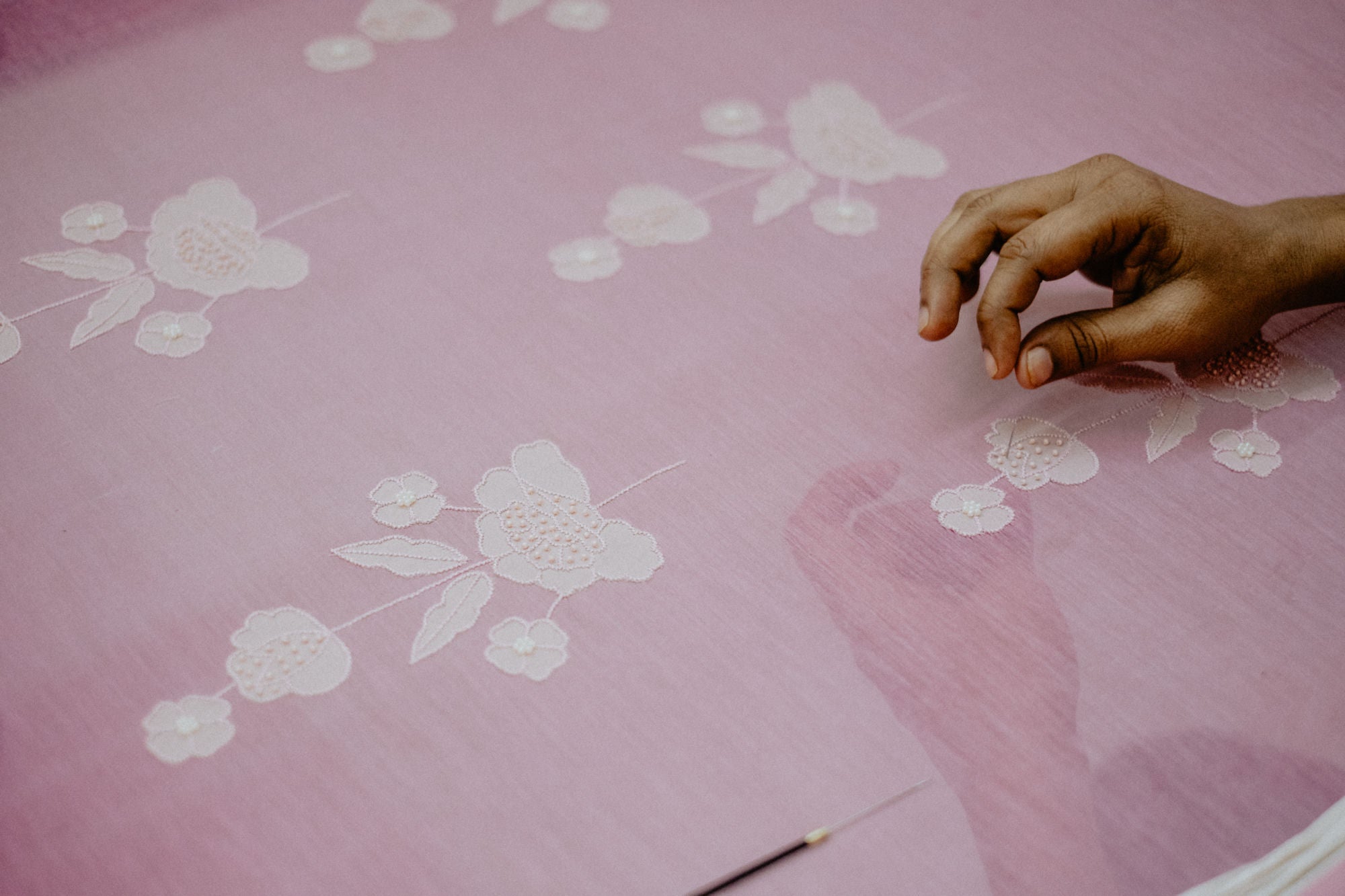
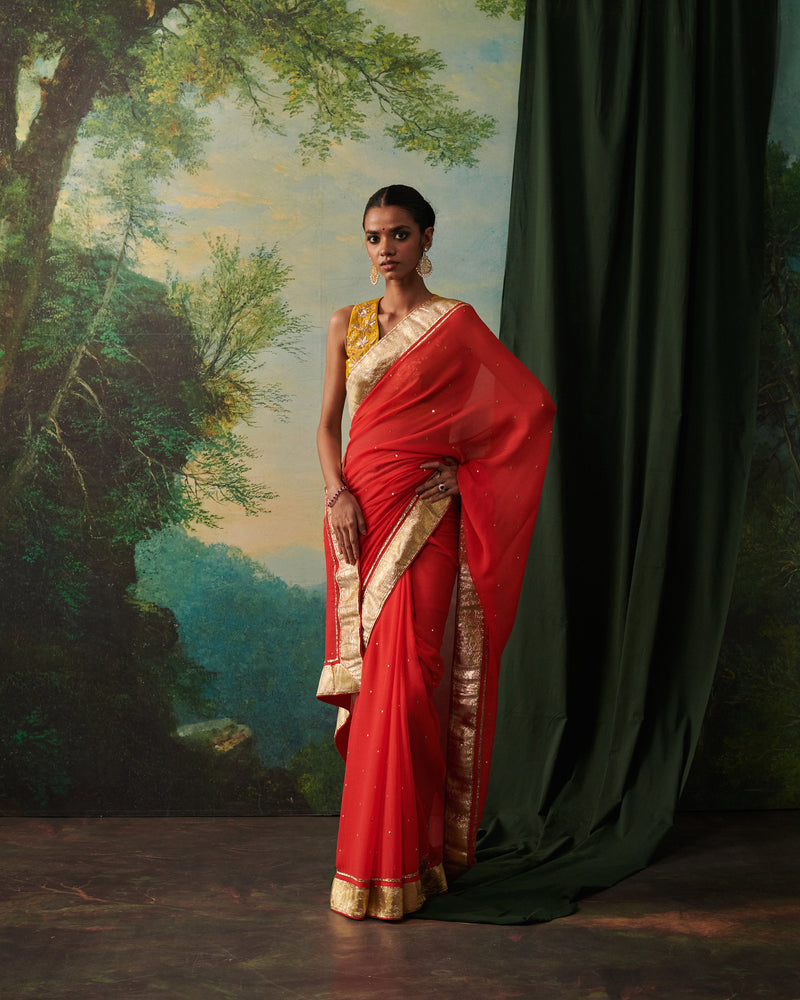
In Mombasa or Dar, choose light cloth with the embroidery at the borders. The Sajni saree (₹21,000) is blush-pink chiffon scattered with hand-embroidered floral clusters in sequins, cutdana and bead work, finished with a scalloped border. The Fida saree (₹19,500) is pure chiffon with a broad gold lappa lace border and sequins scattered like dew along its length. Both are sold without a blouse, so you can have one made to match or pair one you own.


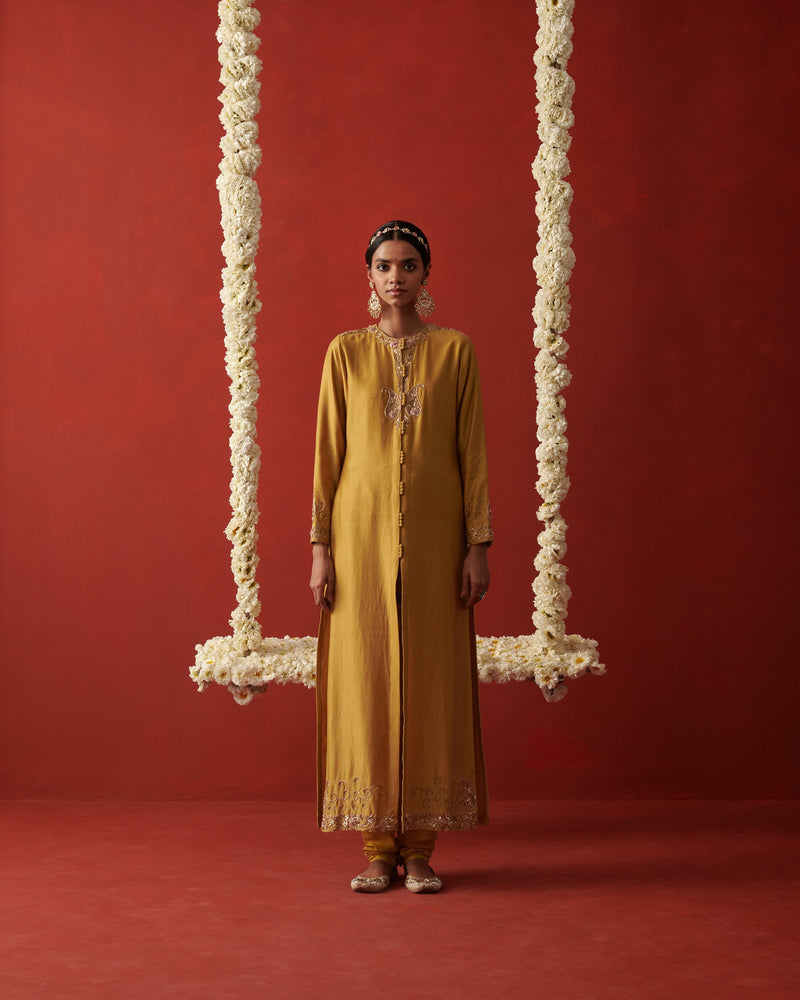
For a daytime function, Chanderi breathes. The Leela & Sifat set (₹18,500) is a lightweight Chanderi kurta whose central panel carries a stylised floral jaal building into a bold leaf motif at the hem, in gota patti, sequins, resham and bead work, with matching Chanderi pants. The Banni & Aayat set (₹19,350) is soft Chanderi with floral and paisley embroidery in sequins, nakshi, cutdana and thread at the yoke, cuffs and hem, hand-covered buttons down the front, and churidar-style pants.


For a Nairobi evening: silk and brocade
A cool highland evening lets you wear weight. The Heer & Zunaira set (₹16,500) is golden jacquard silk with an all-over jaal, gold tissue and hand-embroidered detailing at the neckline and cuffs, and silk and jacquard suit a cool evening far better than chiffon. For a wedding, the Rehmat & Vasl lehenga (₹42,500) is rich red Varanasi silk brocade with gold zari work all over and a broad gold border at the hem (the matching dupatta is sold separately).

If you only want one thing, a dupatta travels best and lifts a plain suit you already own. The Kainaat dupatta (₹9,750) is sheer organza with circular medallions of gota patti, sequins, resham and beadwork across its length and a gota-finished border. Browse our sarees, kurta sets and dupattas, and see our guides to wearing festive outfits in the heat and caring for Indian clothes abroad.
Ordering From East Africa?
Message us on WhatsApp with your event date and city. We will tell you honestly whether a piece can reach you in time, walk you through measurements on a video call, and cut it to fit at no extra charge.
Browse the CollectionMore city guides: London · USA & Canada · Dubai & the Gulf · Australia & New Zealand · Singapore & Malaysia · Europe · South Africa
Frequently Asked Questions
Where can I buy Indian clothes in Nairobi?
Diamond Plaza in Parklands, often called Nairobi's Little India, is the main stop for saris, ethnic wear and accessories. For fabric and tailoring, try the textile shops on Ngara Road and Biashara Street in the city centre.
Where can I buy saris in Mombasa?
Biashara Street and the Old Town are Mombasa's historic textile and trading streets, with many shops run by old Indian and Arab families. They are good for fabric and saris; for wedding lehengas and designer pieces, many families go to Nairobi or order from India.
How did Indians come to East Africa?
Gujarati traders sailed the coast for centuries. Then, between 1896 and 1901, about 32,000 workers from British India were brought to build the Uganda Railway from Mombasa to Kisumu; 6,724 stayed, and many became shopkeepers, or dukawallas, alongside traders who followed them.
Do I pay duty on Indian clothes shipped to Kenya?
Usually, yes. Kenya has no low-value exemption for most parcels; clothing can attract import duty of up to 35%, plus 16% VAT and smaller levies. Rates change, so check with your courier before ordering and ask the seller how the parcel will be declared.
What should I wear to an Indian wedding in Nairobi?
Nairobi's altitude means mild days and cool evenings, so silk, jacquard and brocade work well for an evening function. On the coast, in Mombasa or Dar es Salaam, choose chiffon, Chanderi and organza instead.
Made to order in 4–5 weeks
Have an event date? We’ll tell you exactly when to order by.
We take a limited number of orders each month — secure your slot early.
WhatsApp me my order-by date + a shortlistNot sure where to start?
Tell us what you're dressing for and we'll help you choose — fabric, fit, colour, and timeline — over WhatsApp or on a video call.
Your Cart
Pieces from this story
All pieces →Not sure which piece, or need it by a date? Book a video consultation Ask us on WhatsApp




Keep reading
The journal →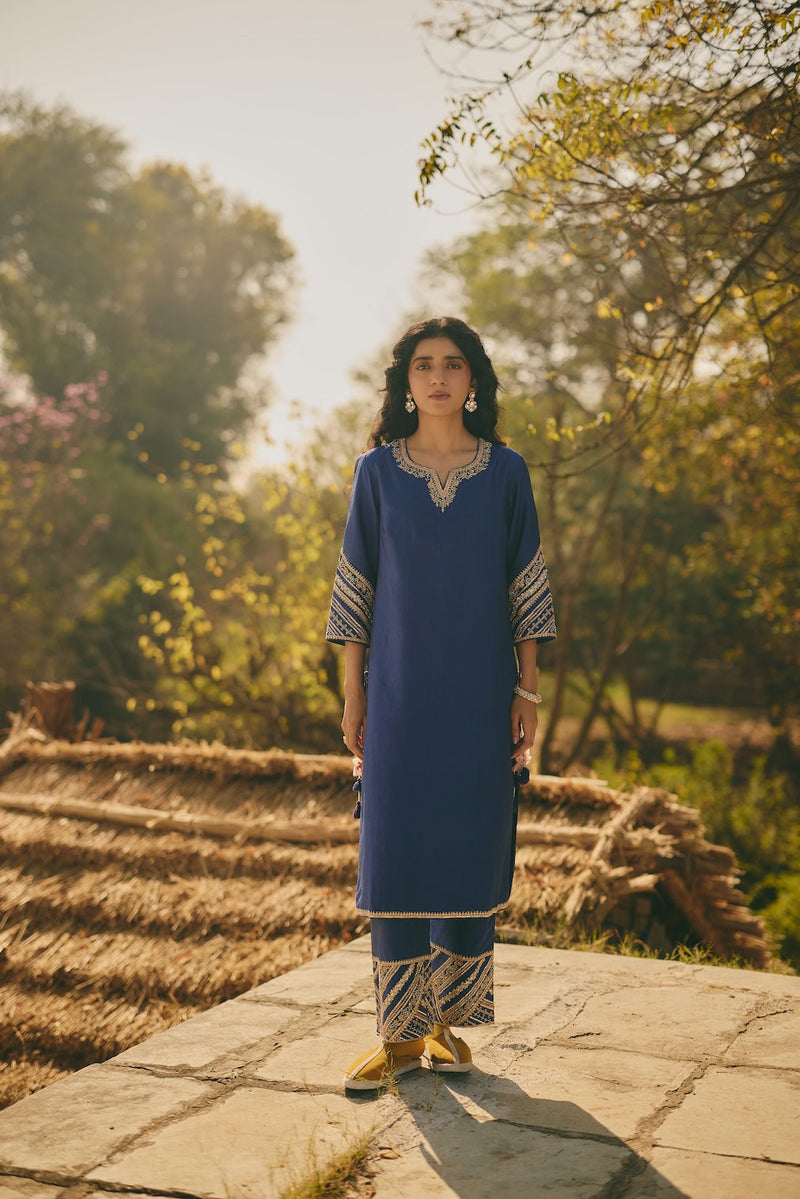
How to Measure Yourself for Indian Clothes: A Complete Guide
Learn how to take accurate measurements for Indian clothes: blouses, kurtas, lehengas, and more. Step-by-step measuri...
13 April 2026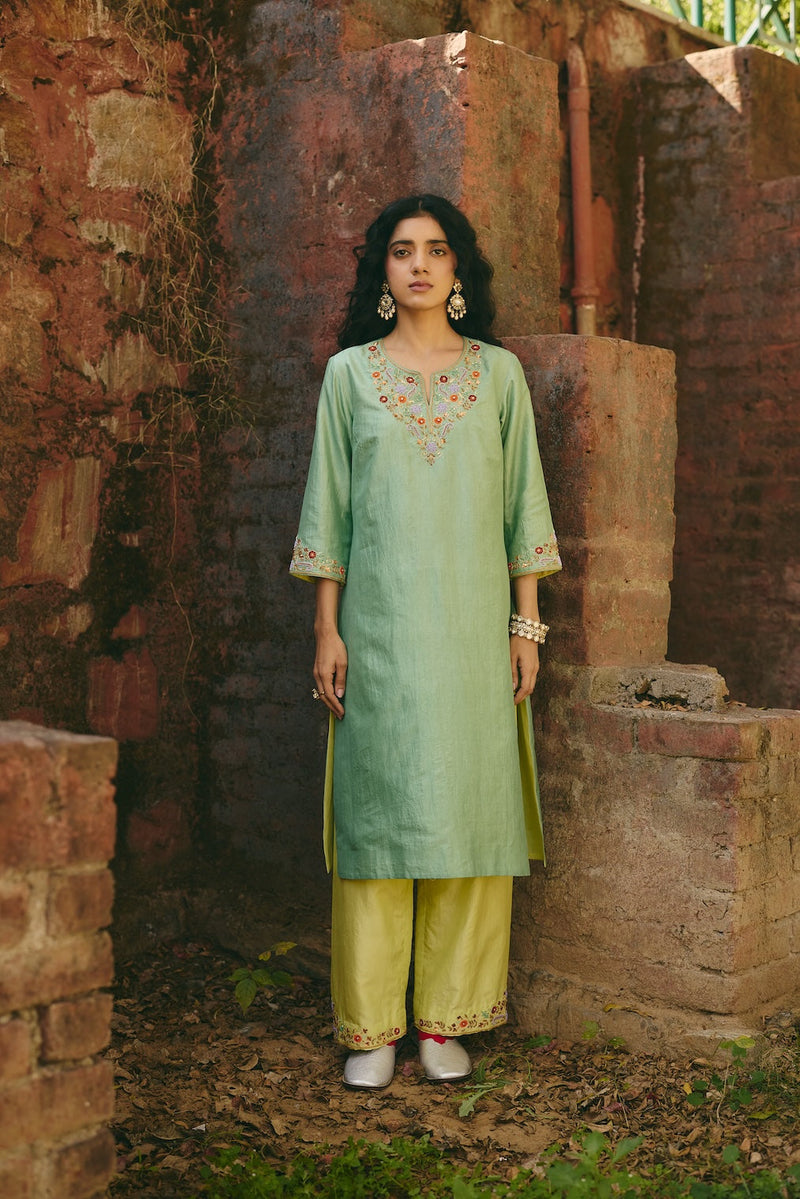
Virtual Consultation Guide: How Remote Custom Ordering Works
How to order custom Indian wear remotely. Step-by-step virtual consultation process—from first contact to delivery, w...
18 May 2026
NRI & International Custom Orders: Getting Indian Wear Made From Abroad
Order custom Indian outfits from anywhere in the world. Complete guide for NRIs in USA, UK, Canada, Australia orderin...
6 May 2026