

Where to Shop for Indian Clothes in South Africa: Durban, Johannesburg & Beyond
On 16 November 1860, the ship Truro docked in Durban with 345 men, women and children from Madras, the first indentured Indian workers brought to Natal for its sugar plantations. Over the next five decades roughly 152,000 more followed on some 384 ships, and traders came after them. That makes South Africa's Indian community one of the oldest in the diaspora — more than 165 years old, several generations removed from India, and with a shopping culture entirely its own. Here it is not "ethnic wear" but eastern wear, and a salwar suit is often simply a "punjabi".
This guide covers where to shop in person, what those areas are good and not so good for, and when ordering from India is the better call. As with our other city guides, we name areas and streets rather than individual shops, which change faster than any guide can track.
Durban
KwaZulu-Natal has the largest Indian community in the country, and Durban is where South African Indian shopping began. It is still the place to go.
Dr Yusuf Dadoo Street (Grey Street) and the Victoria Street Market
For more than a century, Grey Street — renamed Dr Yusuf Dadoo Street — was the heart of Indian Durban, and the old reputation as the city's clothing and material district still lingers. The colonnaded pavements and narrow lanes hold some of the oldest Indian-owned shops in the city, and it is still the best place in Durban for dress fabric and sari lengths. The Victoria Street Market, at the corner of Queen and Victoria Streets, is better known for spices and curios, but it sits close enough to combine in one trip.
Overport
The largely Indian suburb above the city, especially around Peter Mokaba Ridge Road (the old Ridge Road), has a run of eastern-wear boutiques carrying lehengas, sarees and punjabis. It is a good stop when you want occasion wear rather than fabric.
Chatsworth and Phoenix
Chatsworth and Phoenix were established as Indian townships under apartheid and remain home to a large part of Durban's Indian community. The Chatsworth Centre and Phoenix Plaza — the biggest mall in the north of Durban — both have several eastern-wear stores, and locals will tell you the prices are gentler here than in the upmarket malls around Umhlanga.
Johannesburg
The Oriental Plaza, Fordsburg
Gauteng's destination for eastern wear is the Oriental Plaza in Fordsburg, a shopping centre of roughly 360 shops selling saris and sari silks, South Asian fabrics, haberdashery, accessories and homeware. Its history is part of the apartheid story: it was built in the 1970s after Indian traders were forced out of the Fordsburg area, when the original plan had been to move them all to Lenasia. Today it is the busiest single stop for Indian clothes and fabric in the city — go early on a weekday, and bring patience in the weeks before Diwali and Eid.
Pietermaritzburg, Cape Town and Elsewhere
Outside Durban and Johannesburg the choice thins out quickly. Most families in smaller cities combine a local boutique for last-minute needs with a shopping day in Durban or Joburg — or an online order for anything significant.
What Local Shopping Is Good For — and What It Isn't
- Good for: dress fabric and sari lengths; punjabis and everyday eastern wear; anything needed within a fortnight; blouse stitching and alterations; children's outfits; and the local style — a South African Tamil, Telugu, Hindi-speaking, Gujarati or Muslim family's wedding has customs a local shop will know better than any Indian designer.
- Less good for: genuine hand embroidery, which is rarer on the rack than the labels suggest; depth in any one designer's work; and fit, since ready-made stock runs to standard sizes.
Ordering From India: When It Makes Sense
For a wedding, a milestone, or a piece you want to hand down, ordering directly from a designer or atelier in India usually gets you better fabric, real handwork and a cut to your own measurements. Plan for:
- Duties and VAT. Clothing imported into South Africa can attract customs duty as well as VAT, and the amounts can be significant. Check with your courier before ordering, and ask the seller how the parcel will be declared.
- Eight to ten weeks. Made-to-order takes 4–5 weeks, international shipping and clearance add time, and you want a cushion before the event.
- Measure once, carefully. Our measurement guide shows how, and a video consultation removes most of the guesswork.
Our guides to international custom orders and Indian brands that ship internationally go further.
Dressing for a Durban Summer
The seasons run the other way from India. Diwali on 8 November 2026 falls in early summer, and the December holidays — when many families gather for weddings — are hot and, on the coast, humid. That rewards light, fluid, breathable cloth: chiffon, Chanderi, organza, light silk. Heavy velvet and dense brocade belong to a Highveld winter evening, not a Durban wedding in December. (For the ceremony itself, our Tamil, Telugu and Gujarati wedding guides explain the traditions many South African families still keep, though customs here have evolved their own way.)
Chiffon sarees are the easiest answer to coastal heat. The Mehfil saree (₹25,500) is deep sindoori red chiffon with an embroidered border of floral vines and trailing paisleys in sequins, cutdana and soft-gold thread work. The Salima saree (₹18,500) is lighter still — chiffon edged with a soft gold gota border, with small bootis in gota, marodi and fine thread work scattered across the body.


For a daytime function, Chanderi breathes. The Haniya & Mithila set (₹21,000) is a magenta Chanderi A-line kurta with floral embroidery in gold thread, sequins and multicolour thread work at the sleeves and hem, with matching Chanderi pants. The Afreen & Maahi set (₹15,875) is sunshine-yellow Chanderi with hand-embroidered cutdana and bead flowers — soft gathers at the bust, beaded neck and sleeve hems, and nothing heavy anywhere.


For a younger guest or a sangeet, the Mastani, Leyla & Nalini set (₹21,500) is emerald cheniya bandhani jacquard silk woven with gold and silver floral motifs: a one-shoulder cape with a hand-embroidered, sequinned border, a strap bustier and a sharara. There is no dupatta to manage in the heat. And if you only want one piece, a dupatta travels best — the Meheriya dupatta (₹7,650) is yellow organza with thread and cutdana work in blush-pink tones, and it lifts a plain punjabi you already own. Browse our sarees and kurta sets, and see our guide to wearing festive outfits in summer heat.
Ordering From South Africa?
Message us on WhatsApp with your event date and city. We will tell you honestly whether a piece can reach you in time, walk you through measurements on a video call, and cut it to fit at no extra charge.
Browse the CollectionMore city guides: London · USA & Canada · Dubai & the Gulf · Australia & New Zealand · Singapore & Malaysia · Europe · East Africa
Frequently Asked Questions
Where can I buy eastern wear in Durban?
Dr Yusuf Dadoo Street (formerly Grey Street) in the city centre for fabric and sari lengths; Overport, around Peter Mokaba Ridge Road, for eastern-wear boutiques; and the Chatsworth Centre and Phoenix Plaza, which both have several eastern-wear stores.
Where can I buy Indian clothes in Johannesburg?
The Oriental Plaza in Fordsburg, with roughly 360 shops selling saris, sari silks, South Asian fabrics, haberdashery and accessories, is the main destination for eastern wear in Gauteng.
When did Indians first arrive in South Africa?
The first indentured Indian workers arrived in Durban on the ship Truro on 16 November 1860, from Madras. Around 152,000 indentured workers followed over the next five decades, along with traders.
What should I wear to an Indian wedding in Durban in summer?
Light, breathable fabrics — chiffon, Chanderi, organza and light silk — rather than velvet or dense brocade. Choose embroidery at the borders rather than all over, and consider a cape set or sharara so there is no heavy dupatta to manage in the humidity.
Is it worth ordering Indian clothes from India to South Africa?
For occasion wear and anything hand-embroidered, often yes — you get better fabric, real handwork and a cut to your measurements. Factor in customs duty and VAT, which can be significant on clothing, and allow eight to ten weeks for a made-to-order piece.
Made to order in 4–5 weeks
Have an event date? We’ll tell you exactly when to order by.
We take a limited number of orders each month — secure your slot early.
WhatsApp me my order-by date + a shortlistNot sure where to start?
Tell us what you're dressing for and we'll help you choose — fabric, fit, colour, and timeline — over WhatsApp or on a video call.
Your Cart
Pieces from this story
All pieces →Not sure which piece, or need it by a date? Book a video consultation Ask us on WhatsApp


Keep reading
The journal →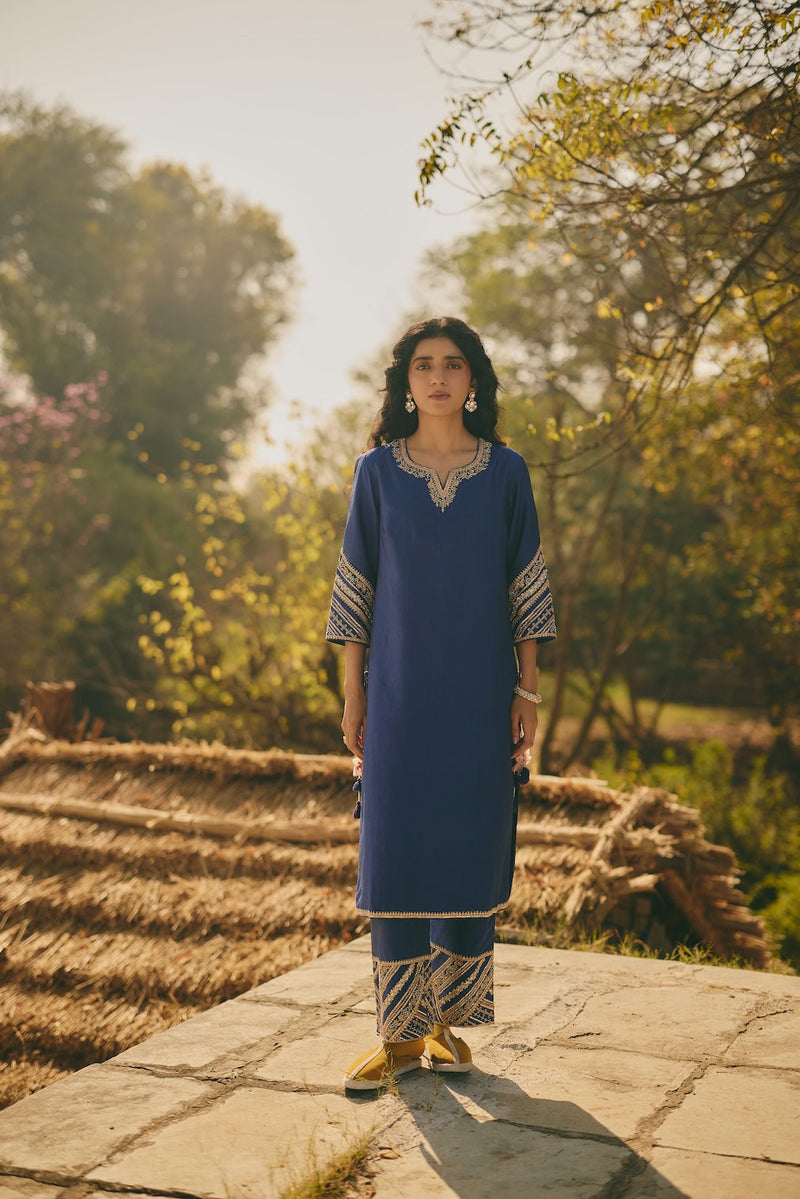
How to Measure Yourself for Indian Clothes: A Complete Guide
Learn how to take accurate measurements for Indian clothes: blouses, kurtas, lehengas, and more. Step-by-step measuri...
13 April 2026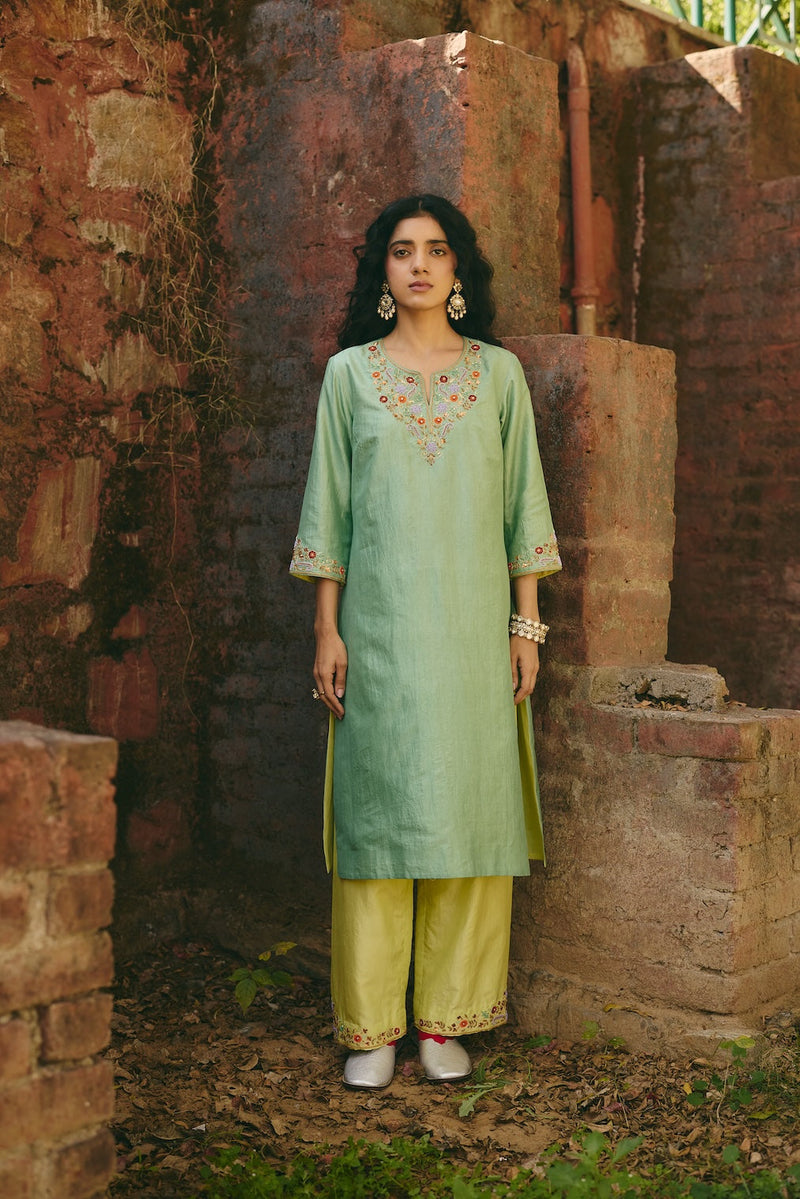
Virtual Consultation Guide: How Remote Custom Ordering Works
How to order custom Indian wear remotely. Step-by-step virtual consultation process—from first contact to delivery, w...
18 May 2026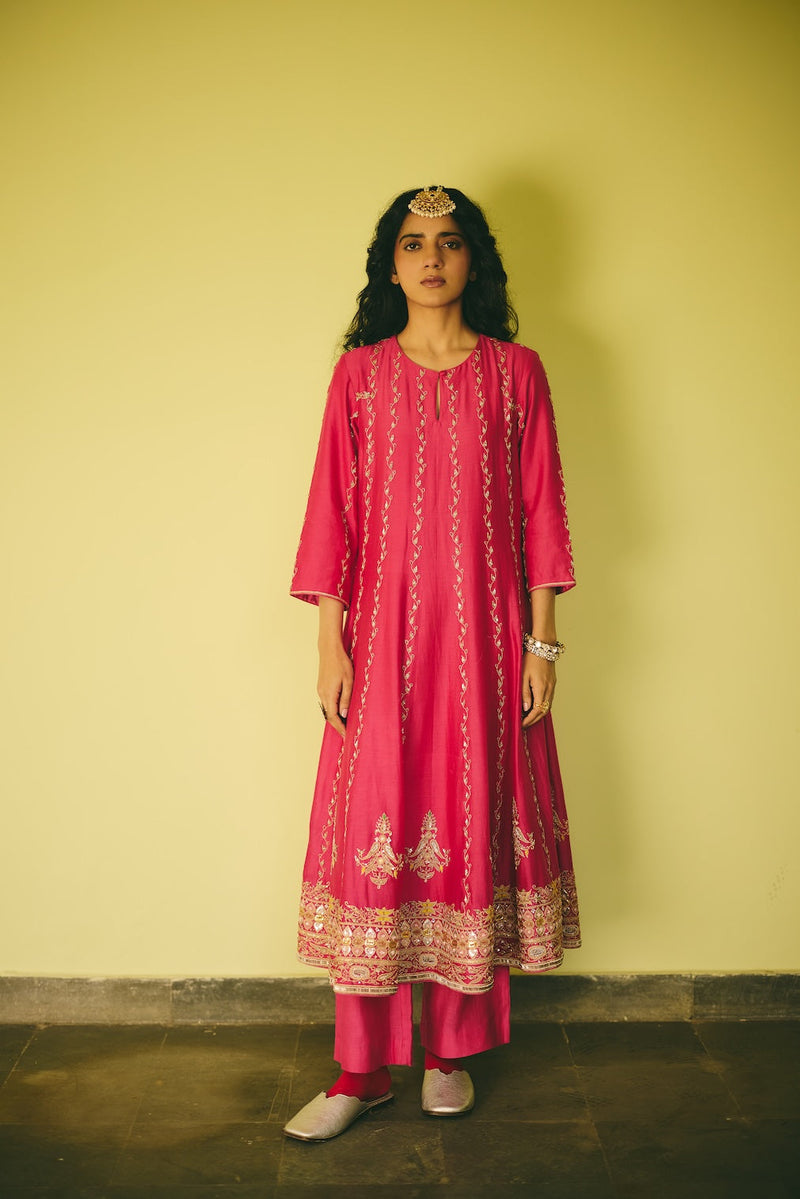
NRI & International Custom Orders: Getting Indian Wear Made From Abroad
Order custom Indian outfits from anywhere in the world. Complete guide for NRIs in USA, UK, Canada, Australia orderin...
6 May 2026