

What to Wear to a Manipuri (Meitei) Wedding: A Guest's Guide from Heijingpot to Luhongba
If you have been invited to a Meitei wedding and you are not from Manipur, the short answer is this: dress softly. Choose a silk kurta set or a light saree in ivory, champagne, blush, sage or another gentle colour, keep your shoulders covered, add a sheer dupatta, and leave the drama to the bride. She will be wearing the potloi, the stiff, cylindrical, mirror-and-sequin embroidered skirt that is one of the most extraordinary bridal garments in India, and nothing a guest wears should compete with it.
This guide walks you through a Meitei Hindu wedding function by function, the heijingpot, the luhongba and the chakouba feast, and explains what each one asks of a guest. Rashika grew up in Upper Assam, so the Northeast is home ground for us rather than an exotic backdrop, and we have tried to write this with the respect a Manipuri family would expect. Customs differ from family to family and clan to clan, and not every family follows every step, so if in doubt, ask your hosts.
First, Whose Wedding Is It?
"Manipuri wedding" can mean several quite different ceremonies, and it is worth knowing which one you are going to.
- Meitei Hindu (Vaishnav) weddings are the subject of this guide. Vaishnavism took deep root in the Manipur valley in the eighteenth century, and the wedding is framed by devotion to Krishna, with sankirtan singing and the tulsi plant at its centre. This is where the bride wears the potloi.
- Sanamahi weddings, following the older Meitei faith, are different again; the bride wears a phanek and the traditional kajenglei headdress rather than a potloi.
- Meitei Pangal weddings are those of Manipuri Muslims, and follow Islamic rites. Our nikah guide is a better starting point there, though local dress customs still apply.
- Weddings in the hill communities (Naga and Kuki-Zo peoples, who are overwhelmingly Christian) are usually church weddings with their own dress traditions, including each community's own woven shawls. Our Christian wedding guest guide covers the general etiquette.
An Honest Note About the Potloi, Phanek and Innaphi
The potloi is said to have been introduced by the Meitei king Bhagyachandra in the eighteenth century, and the same barrel-shaped skirt is worn by the dancers of the Manipuri Ras Leela. It is built from thick cloth stiffened into shape and worked with sequins, mirrors and fine thread, and it is made by specialist craftspeople in Manipur. The phanek, the handwoven wraparound skirt, and the innaphi, the fine, sheer shawl usually worn draped over it, are Manipur's own everyday and ceremonial dress, woven on Manipuri looms.
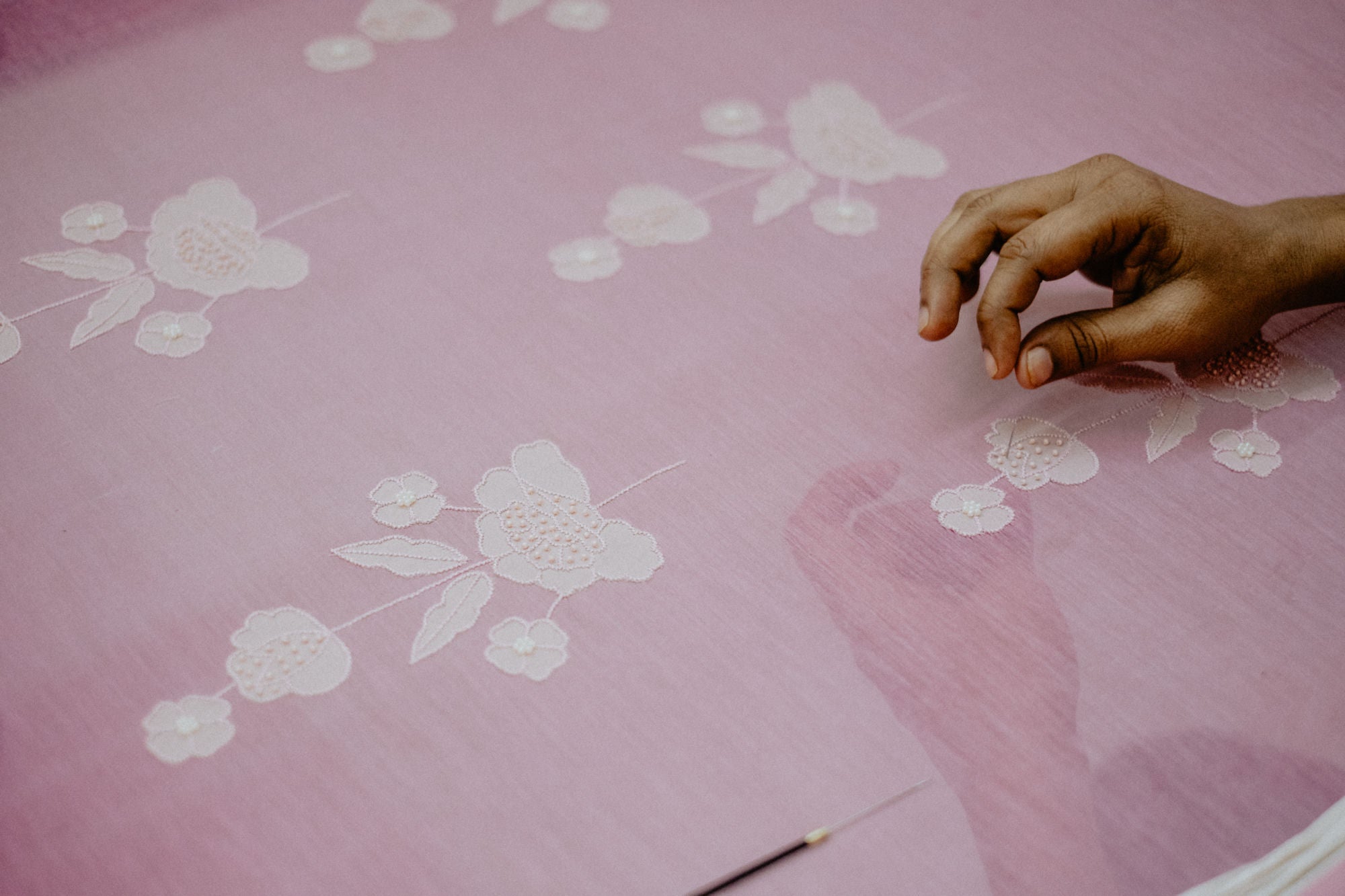
We do not make any of these, and we would not want to imitate them. If you want to wear a phanek and innaphi to the wedding, and many guests from outside do receive one as a gift or borrow one from their hosts, buy it from Manipuri weavers. Imphal's Ima Keithel, the vast women-run market, has a whole section of stalls devoted to handloom phaneks and innaphis. What we make is something else: hand-embroidered pieces from our Jaipur atelier that sit comfortably and respectfully in a Meitei wedding as the clothes of a guest from elsewhere.
Heijingpot: The Evening of Fruit and Gifts
The heijingpot, or heijing kharai puba, is usually held at the bride's home a day or more before the wedding. The groom's family arrives bearing the heijing, baskets of fruit (two particular fruits, heikru and heining, are expected), along with sweets and clothes for the bride, and the gifts carry wishes for a long and fruitful marriage. Families treat this as the moment the match is sealed; some sources say the couple are understood to be married from here on. In the evening, the bride's friends and family gather to celebrate, and in many modern homes this has become a fuller party, sometimes with a cake, which older commentators in Imphal note wryly was never part of the tradition.
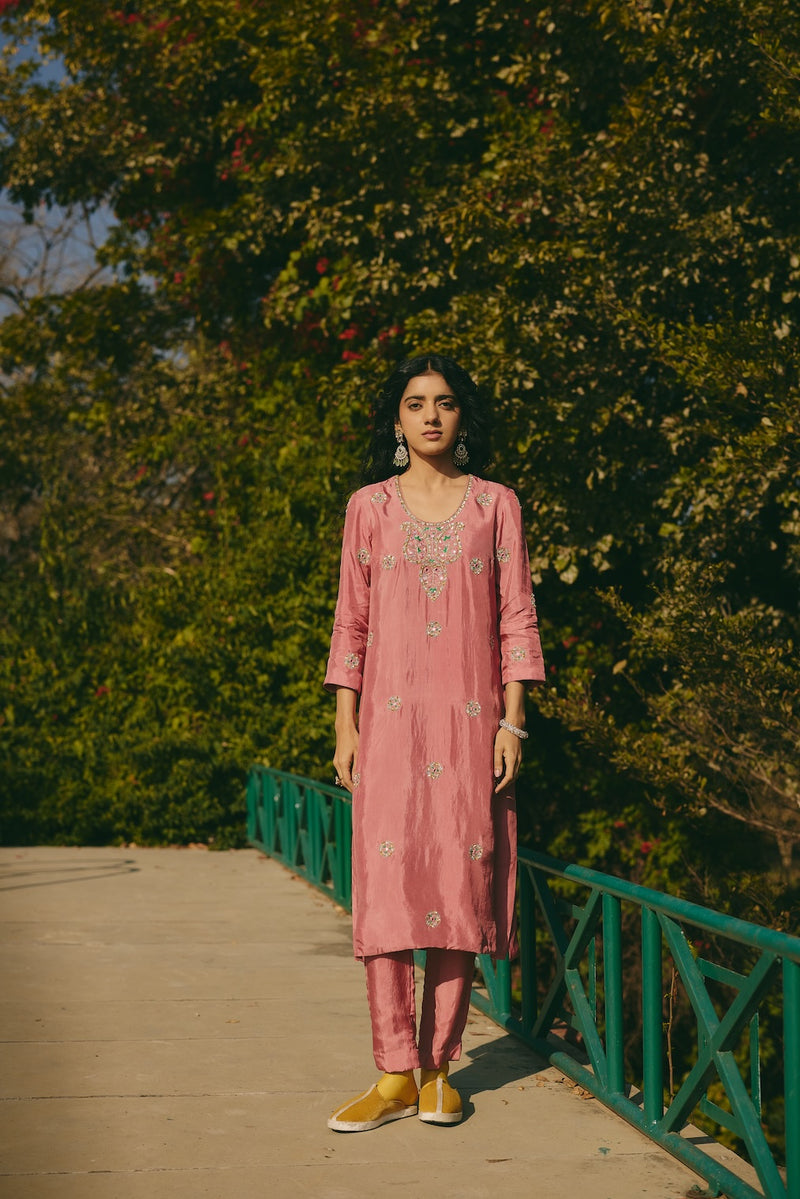
This is the most relaxed of the functions and the one where you can wear the most colour. A soft pink or a fresh green reads as celebratory without shouting. The Saher & Naazli set (₹32,500) is a rose-pink silk kurta with a central medallion on the bodice and circular floral butis in green, orange and pink resham with mirror work, sequins and bead work, over a straight rose-pink silk pant. If you would rather have two tones, the Sahira & Fizza set (₹27,500) pairs a pistachio-green silk kurta with a lime-yellow silk pant, embroidered at the neckline, sleeve hems and pant hem in resham, sequins, cutdana, beads and aari.

Luhongba: The Wedding Itself
Luhongba is the Meitei word for the wedding ceremony. It takes place at the bride's home, usually in the afternoon or early evening, with the timing set by the almanac. The groom sets out from his home after a blessing of his own, dressed in white: a white dhoti, a white kurta and the kokyet, the traditional turban. At the bride's house a mandap is set up in the courtyard, the tulsi plant is at the heart of the proceedings, and the sankirtan singers, who sing devotional songs to Krishna, perform through much of the ceremony.
Among the moments you will see: the kujaba punba, when the couple's hands are tied together by a woman of the bride's family and an offering (often described as a coconut or a small bundle symbolising earth, food, clothing and ornaments) is placed on them; and the lei-chaiba, when the bride walks around the groom seven times, showering flowers over him at each round. On the last round she places two garlands of white flowers, usually described as kundo, a kind of jasmine, around his neck, and they are married.
For a guest, this is a devotional ceremony at a family home, not a party. Dress as you would for a temple on a festival day: covered shoulders, a modest neckline, fine handwork rather than heavy sparkle, and a dupatta you can drape. Pastels and quiet, luminous neutrals suit the mood best.
A note on white and cream. White is not treated as inauspicious at a Meitei wedding the way it is at many north Indian ones; the groom wears it, and crisp white innaphis are part of traditional ceremonial dress. At the same time, an all-white phanek has specific associations (sources note that widows traditionally wear one at weddings). As a guest from outside, the safe reading is ivory or cream with gold or a touch of colour, rather than head-to-toe plain white.
The Anika & Mahboob set (₹21,250) is exactly that register: ivory silk hand-embroidered with vine and floral motifs in gold and silver threads, a long-sleeved peplum top with a round neckline and wide-legged trousers that mirror the embroidery. For something warmer, the Darya & Keya set (₹20,175) is champagne-taupe silk with a V-neck, embroidered at the neckline and sleeve hems with magenta-pink florals and gold vines in zari and metallic thread, sequins, cutdana and micro-beads. The colour is concentrated near the face, so the overall effect stays calm.


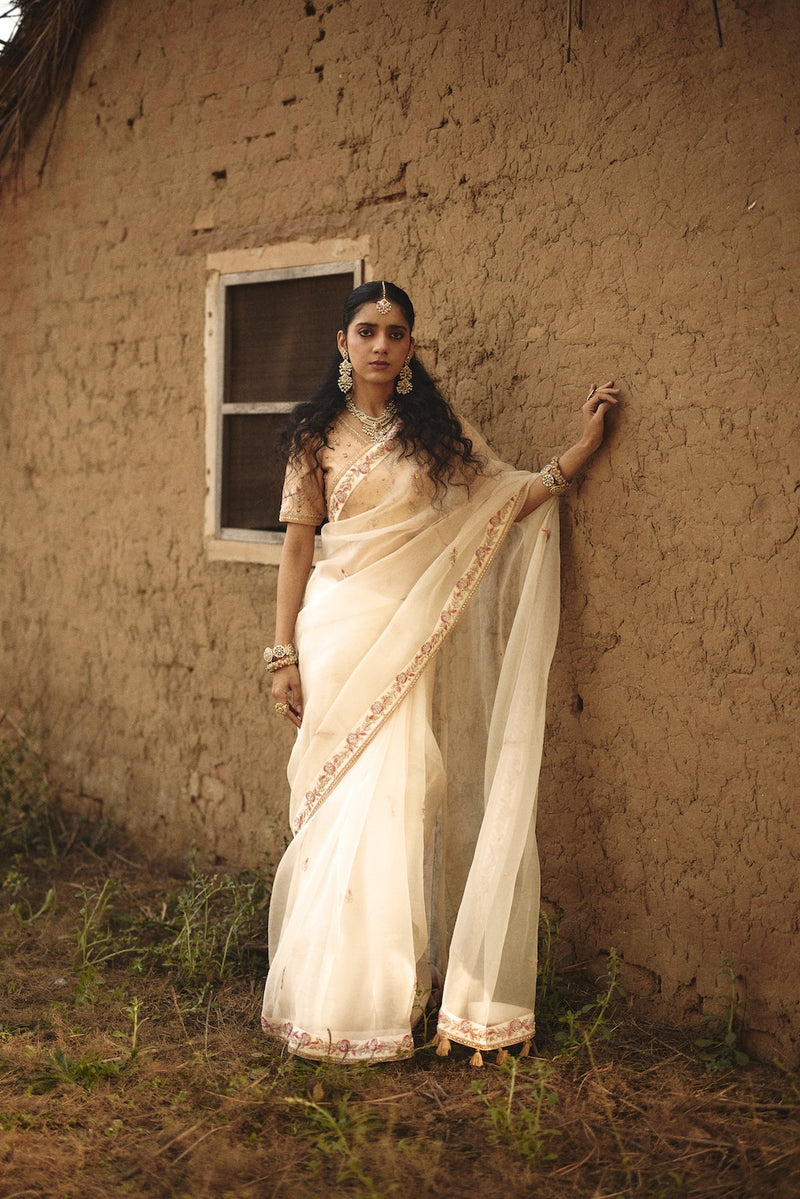
If you prefer a saree, the Shanvi saree (₹38,675) is soft ivory organza with a hand-embroidered border in marodi, gold zari, resham and beadwork in coral and gold, with small floral butis scattered across the body; the blouse is ordered separately. And the Saavan & Nimrah set (₹20,375) is a sage-toned tissue kurta with an asymmetric hem and thread, zardozi, sequin and cutdana florals at the neckline, hem, cuffs and back, over a matching straight pant, a colour that sits beautifully against the white and green of the ceremony.
The Sheer Layer: Borrowing the Innaphi's Instinct
One thing guests from outside notice at a Meitei wedding is how much of the elegance comes from a single light, translucent layer over the shoulders. You should not try to copy an innaphi, but you can borrow the instinct and let a sheer dupatta do the work instead of a heavy one.
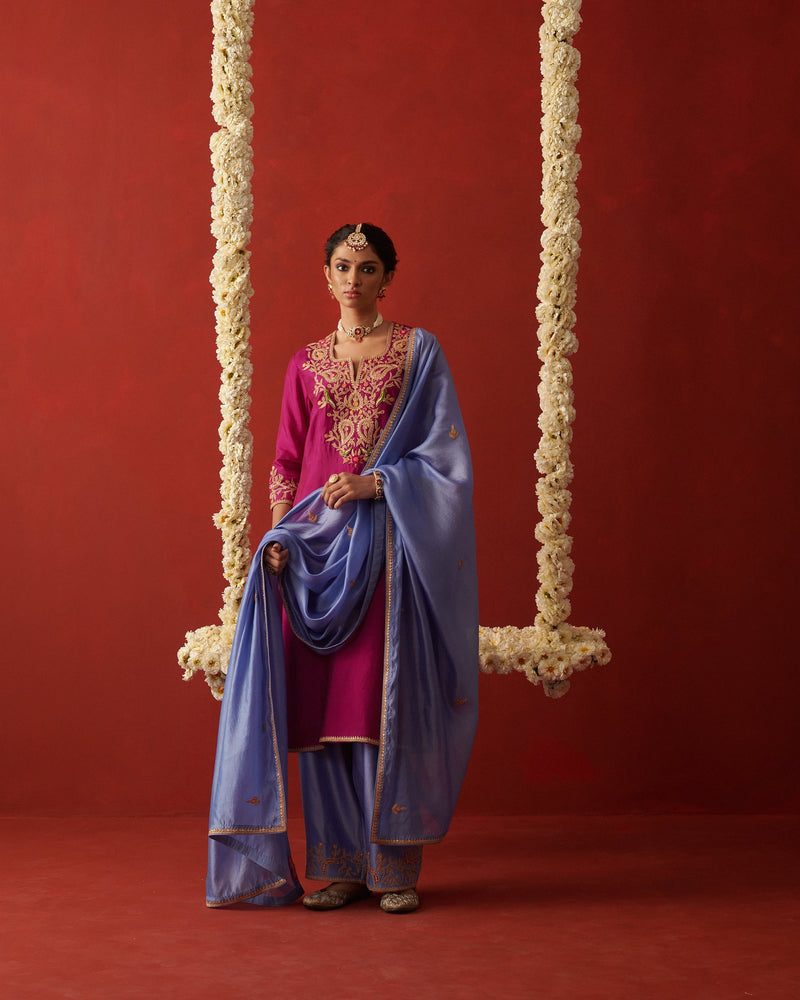
The Afsana dupatta (₹10,500) is periwinkle organza silk with scattered bootis and a border in marodi, resham and sequins, light enough to drape without weight. The Zarveen dupatta (₹9,500) is sheer sage-green Chanderi with a delicate zari border, about as understated as festive gets. And the Adhira dupatta (₹4,500) is ivory organza with mirror work and resham thread work; it lifts a plain silk kurta you already own. For more on this palette, see our guides to pastel Indian outfits and ivory and white outfits.


Chakouba: The Feast a Few Days Later
Meitei weddings keep the feasting for later. The big meal is the chakouba (mapam chakouba), a luncheon hosted a few days after the wedding, usually given as the fifth or sixth day, when the new couple return to the bride's parental home and close family and friends gather. Sources describe it as the biggest, and sometimes the only, feast of a Meitei wedding, traditionally built around Meitei dishes.
It is a daytime family meal, so dress a notch softer than for the luhongba. The Ruhani & Nilofer set (₹17,500) is soft pink silk with a zardozi, sequin and cutdana neckline and delicate vines and bootis across the body and sleeves, over a straight matching pant, made, in its own words, for intimate celebrations. If you want a saree, the Sajni saree (₹21,000) is blush-pink chiffon scattered with hand-embroidered floral clusters in sequins, cutdana and bead work, finished with a scalloped border. It is light, easy to sit in and gentle in colour.
Five Things Worth Knowing
- Quiet is correct. The ceremony is devotional and the bride's potloi is the visual centre. Fine handwork in a soft palette will be appreciated; volume and heavy shine will look out of place.
- Cover up. Covered shoulders and a modest neckline are the norm for a home ceremony with priests, singers and elders present.
- Ivory with colour, not plain white. White has its own meanings at a Meitei wedding; ivory with gold, blush, sage or champagne is the safe choice for a guest from outside.
- Dress for sitting and standing. The sankirtan can run for a long time. A kurta set or a light saree is easier than a lehenga with a heavy flare.
- Bring a shawl in winter. Imphal sits in a valley, and winter evenings can be properly cold. Our winter wedding guide covers layering honestly.
If you have a phanek and innaphi from your hosts, wear them: it is the most gracious thing a guest can do. If you do not, a well-made silk set in a gentle colour, a light dupatta and good manners will serve you perfectly.
Going to a Wedding in Imphal?
Every piece is made to order in our Jaipur atelier in 4–5 weeks, plus 3–7 days for shipping, and cut to your measurements at no extra charge. Message us on WhatsApp with the wedding dates and which functions you are attending, and we will tell you honestly what can reach you in time.
Browse the CollectionMore regional guides: Kannada · Konkani · Assamese · Bengali · Bihu · Kerala
Frequently Asked Questions
What should a guest wear to a Manipuri (Meitei) wedding?
Something soft, covered and finely made: a silk kurta set or a light saree in ivory, champagne, blush, sage or another gentle colour, with a sheer dupatta. If your hosts give or lend you a phanek and innaphi, wearing them is a lovely gesture. Avoid heavy sparkle and anything that competes with the bride's potloi.
What is luhongba?
Luhongba is the Meitei wedding ceremony. It is held at the bride's home, with sankirtan singers and the tulsi plant at its centre. The couple's hands are ritually tied, the bride walks around the groom seven times showering him with flowers, and she then garlands him with white flowers to complete the marriage.
What is a potloi?
The potloi is the stiff, cylindrical bridal skirt worn by Meitei Hindu brides, made from thick cloth shaped into a barrel and decorated with sequins, mirrors and fine threadwork. The same costume is worn by dancers in the Manipuri Ras Leela. It is made by specialist craftspeople in Manipur.
Can I wear white to a Meitei wedding?
White is not treated as unlucky at a Meitei wedding the way it is in parts of north India. The groom wears white and white innaphis are traditional. But an all-white phanek carries specific associations, so a guest from outside is safest in ivory or cream with gold or a touch of colour.
What happens at a heijingpot?
The groom's family brings the heijing, baskets of fruit including heikru and heining, with sweets and gifts to the bride's home, sealing the match. It is often followed by an evening celebration with the bride's friends and family, and it is the most relaxed function for a guest.
Made to order in 4–5 weeks
Have an event date? We’ll tell you exactly when to order by.
We take a limited number of orders each month — secure your slot early.
WhatsApp me my order-by date + a shortlistNot sure where to start?
Tell us what you're dressing for and we'll help you choose — fabric, fit, colour, and timeline — over WhatsApp or on a video call.
Your Cart
Pieces from this story
All pieces →Not sure which piece, or need it by a date? Book a video consultation Ask us on WhatsApp




Keep reading
The journal →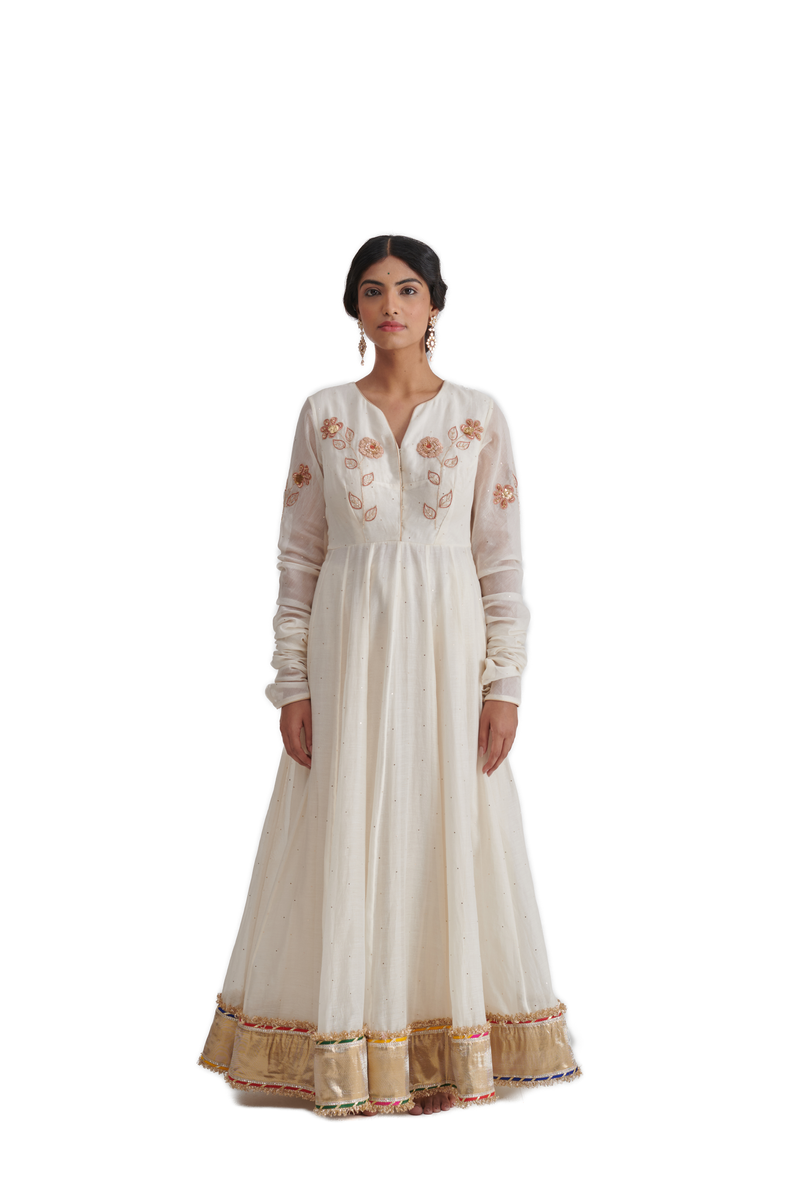
Nikah Outfit Ideas: What to Wear to a Nikah Ceremony
Beautiful nikah outfit ideas for brides and guests — from white and ivory to pastels and jewel tones. Sarees, sharara...
5 March 2026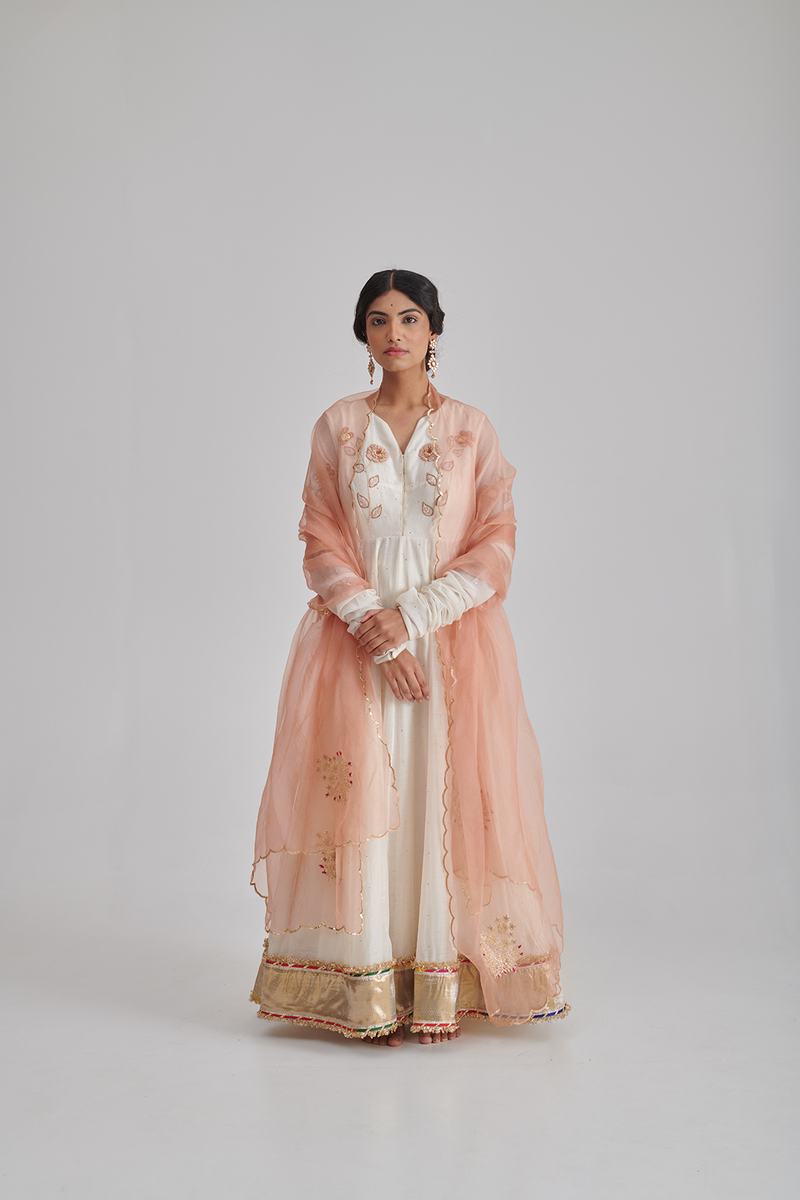
What to Wear to an Indian Christian Wedding: A Guest's Guide
What to wear to an Indian Christian wedding as a guest — church ceremony etiquette, colours to avoid, and elegant sar...
8 July 2026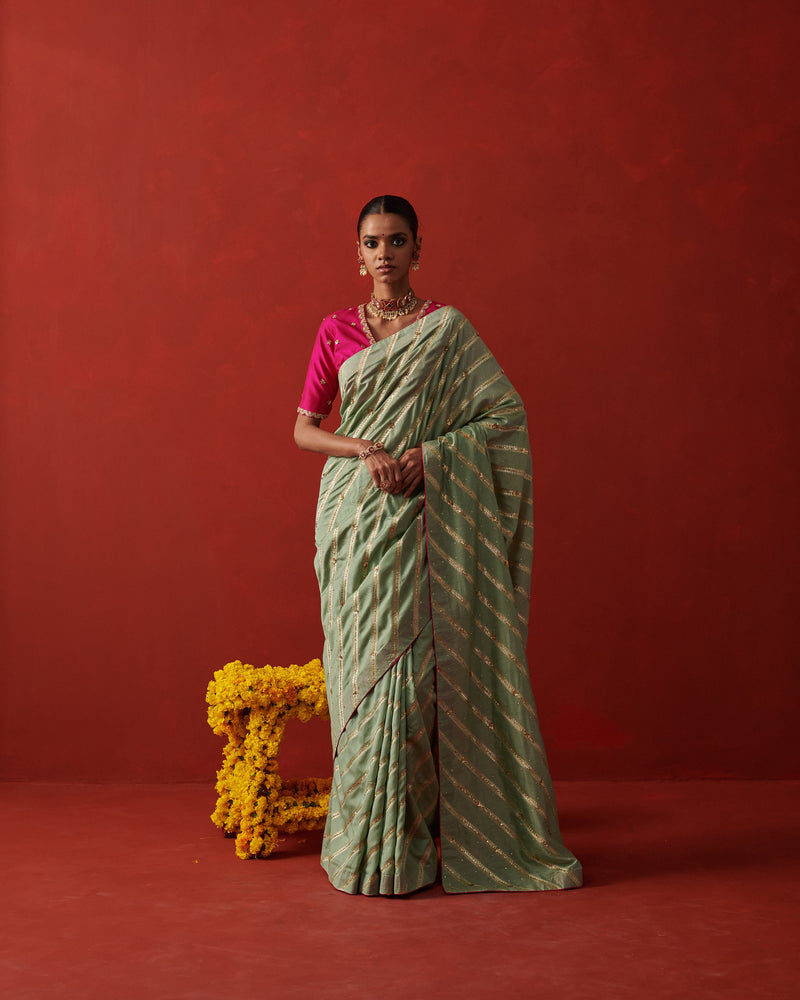
Pastel Indian Outfits: Why Soft Colours Are Dominating Indian Fashion
Why soft pastels are dominating Indian fashion — from dusty rose kurtas to mint green sarees. How to wear pastels wit...
9 March 2026